

So, your cat loves the great outdoors, but maybe not so much when the weather turns chilly or wet? A dedicated outdoor cat house can be a real game-changer for your furry friend. It’s not just about giving them a place to hide; it’s about providing genuine comfort and safety when they’re out exploring. Think of it as their own little retreat, a warm spot to nap away from the elements. Whether you’ve got a pampered indoor-outdoor explorer or a shy stray you’re looking after, the right outdoor cat house makes a huge difference.
Key Takeaways
- An outdoor cat house offers vital shelter from cold, rain, and wind, keeping your pet safe and dry.
- Look for weather-resistant materials, insulated walls, and a waterproof base for maximum comfort.
- Heated options, often with low-voltage pads and thermostats, provide reliable warmth during colder months.
- Consider dual-exit designs for safety, allowing cats to escape if threatened.
- Proper placement and introduction are key to ensuring your cat feels secure and uses their new outdoor cat house.
Why Your Cat Needs An Outdoor Cat House
So, your cat loves a bit of fresh air, maybe they’re a seasoned explorer of the garden or perhaps you’ve got a few neighbourhood strays who’ve adopted your porch as their own. Whatever the situation, letting them brave the elements without a proper shelter isn’t really fair, is it? Even a quick dash outside can turn into a chilly ordeal if the weather decides to play up. That’s where a dedicated outdoor cat house comes in – it’s more than just a box; it’s a little sanctuary.
Shelter From The Cold
Cats, bless their furry little hearts, aren’t always the best at regulating their temperature when it gets properly cold. They might have a thick coat, but prolonged exposure to freezing temperatures, wind, and dampness can be really tough on them. Hypothermia is a genuine risk, and even just being constantly wet and cold can make them poorly. A good outdoor house provides a dry, wind-free zone, and if it’s heated, it’s like a warm hug on a frosty night. It stops them from having to huddle on a cold patio slab or a damp patch of grass, giving them a safe, warm place to retreat to. Think of it as their own personal, toasty Airbnb.
A Safe Haven With Built-in Comfort
Beyond just warmth, these shelters offer a sense of security. For cats who might be a bit timid, or even for feral cats who are naturally wary, having a private space where they feel safe from predators or even just boisterous neighbourhood dogs is a big deal. Many of these houses come with soft, heated pads that are low-voltage for safety, and insulated walls to keep the chill out. It’s about giving them a comfortable spot to rest, groom, and just generally feel secure. After all, every cat, whether they’re a pampered house pet who likes to sneak out or a community cat, deserves a bit of peace and quiet in a comfy setting. It’s a way to show you care, and honestly, it beats them trying to make a den in your prize-winning petunias.
Great For Feral, Stray, Or Indoor-Outdoor Cats
If you’re looking after a colony of feral cats, or even just a couple of friendly strays who’ve decided your garden is the place to be, an outdoor cat house is practically a necessity. It provides them with consistent shelter, especially during the colder months when finding food and warmth becomes a daily struggle. For cats that split their time between indoors and outdoors, it gives them a reliable, safe spot to nap or shelter from unexpected downpours without needing to scratch at the back door. It’s a thoughtful way to support the well-being of cats who live their lives largely unsupervised, ensuring they have a basic level of comfort and protection. Providing a safe space like this can make a real difference to their quality of life, and it’s a great way to contribute positively to the local animal population.
Key Features For The Best Outdoor Cat House
When you’re looking for the best outdoor cat house, a few things really make a difference in keeping your furry friend warm and safe. It’s not just about having a box outside; it’s about creating a proper little haven.
Weather-Resistant Materials & Build
First off, the house needs to stand up to whatever the weather throws at it. Think sturdy construction that can handle wind, rain, and even snow without falling apart. Materials like durable tarpaulin or wood with a good waterproof coating are your best bet. This stops the elements from getting in and making the inside damp and chilly.
Insulated Walls & Waterproof Base
Good insulation is key. It’s like a cosy blanket for the whole house, stopping cold air from seeping in through the walls. A waterproof base is just as important; nobody wants to sleep in a puddle, right? This stops dampness from creeping up from the ground, which can make things much colder than they need to be. A well-insulated and dry interior is the foundation of a truly comfortable outdoor shelter.
Safety-First: Low-Voltage Heating
If you’re opting for a heated house, safety is paramount. Look for systems that use low-voltage heating. This means the electricity is kept at a safe level, so there’s no risk of shocking your cat or causing a fire hazard. Chew-resistant cords are also a good idea, just in case your curious kitty decides to have a nibble. It’s all about providing warmth without any nasty surprises.
Dual-Exit Design For Easy Escapes
Having two doors, or exits, is a really smart feature. It means your cat always has a way out if they feel threatened by another animal, or even just want a quick escape route. It gives them a sense of security, knowing they aren’t trapped. This is especially useful for shy or skittish cats, or if you have a few cats sharing the space. It’s a simple design choice that adds a lot to their peace of mind, much like choosing the right cat scratcher gives them a safe place to express themselves.
Types Of Outdoor Cat Houses To Consider
When you’re looking for a place for your cat to hang out outdoors, there are a few different types of heated houses you can consider. It’s not just about keeping them warm, but also about making sure the house is safe and suits your cat’s needs.
Electric Options With Thermostats
These are the ones you plug in. They’ve got a built-in heating element, often a pad, that’s controlled by a thermostat. This means the temperature stays pretty steady, giving your cat a reliably warm spot. They’re great for really cold weather because they actively generate heat. Just make sure the cord is safe and designed for outdoor use, and that the unit itself is well-protected from the elements. Some even have adjustable temperature settings, so you can fine-tune the warmth.
Self-Warming Pads For Cord-Free Comfort
If you’re not keen on having electrical cords running outside, or if you want something super simple, self-warming pads are a good shout. These pads use special materials that reflect your cat’s own body heat back to them, creating a toasty little nest without any power needed. They’re brilliant for milder weather or for cats who just like a bit of extra warmth. Plus, no wires means less to worry about regarding chewing or weather damage. They’re a really easy way to add a bit of comfort.
Stylish Or Decorative Outdoor Cat Cottages
Who says practical can’t be pretty? These are the cat houses that look more like miniature garden sheds or cute cottages. They’re built to withstand the weather, just like any other outdoor shelter, but they also aim to blend in with your garden or patio decor. You can find them in all sorts of designs, from rustic wooden cabins to more modern, sleek structures. They often have good insulation and a waterproof build, but always check the specifics on the heating capabilities – some might just be well-insulated, while others come with integrated heating.
Heating And Cooling Cat Homes For Year-Round Use
For the ultimate in feline comfort, some houses are designed to work all year round. In winter, they provide gentle heating, keeping your cat snug when it’s chilly. Then, when summer rolls around, they can switch to a cooling mode, often using a fan to circulate air and keep things from getting too hot. These are a bit more high-tech and can be a great investment if you want to provide a comfortable environment for your cat no matter the season. They usually have controls for both heating and cooling, giving you full command over your cat’s climate.
Choosing The Right Size And Style
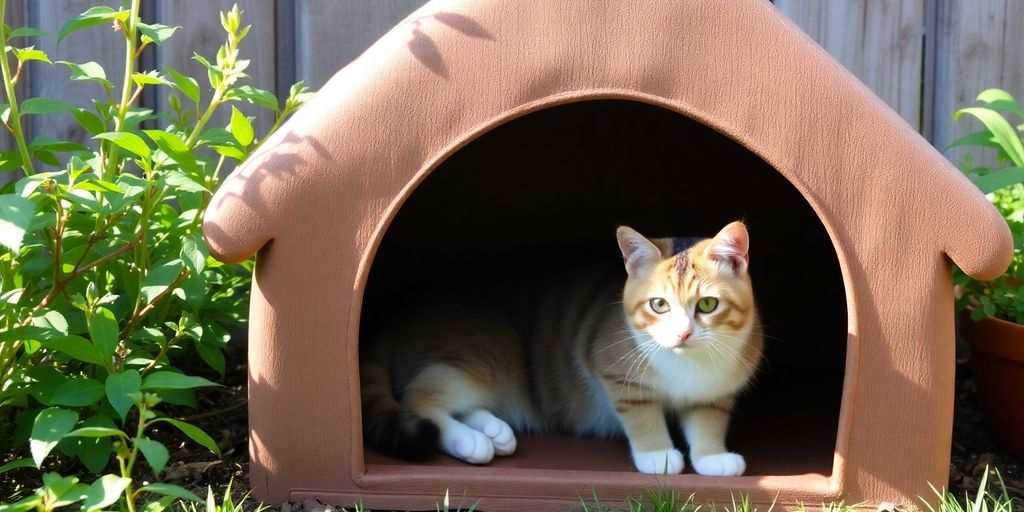
Picking out the perfect outdoor cat house isn’t just about keeping your furry friend warm; it’s also about making sure it fits their personality and your space. Think of it like choosing a new armchair – you want it to be comfy, look good, and be just the right size.
Size & Weight Recommendations For Your Crew
When it comes to size, bigger isn’t always better. A cat house that’s too large can actually make it harder for your cat to stay warm, as their body heat will have more space to dissipate. You want a snug fit, just enough room for them to turn around and stretch out a bit. For a single cat, a house around 18x22x15 inches is usually a good starting point. If you have a couple of larger cats or a particularly fluffy one, you might need to go a bit bigger. It’s always worth checking the manufacturer’s recommendations, as they often provide guidance based on breed or typical cat sizes. Remember, the goal is cosy, not cavernous!
Portable Options For Travel Or Temporary Use
Sometimes, you might need something a bit more flexible. Maybe you’re taking your cat on a camping trip, or perhaps you have a temporary outdoor setup. In these cases, a portable cat house can be a lifesaver. Look for ones made from lighter, yet still durable, materials. Some even fold down for easy storage and transport. While they might not offer the same level of heavy-duty weather protection as a permanent structure, they can provide a safe and warm haven when you’re on the go. A good example is a sturdy catio that can be moved around your garden, offering a secure outdoor space.
Multi-Cat Heated Shelters For Feral Colonies
If you’re looking after a group of outdoor cats, especially a feral colony, you’ll need something a bit more substantial. These shelters are designed to accommodate several cats at once, often with a modular design that allows you to connect multiple units. They’re built to be robust, handling harsh weather conditions and providing shared warmth. Think of it as a communal living space for your feline friends. These often come with features like multiple entry and exit points, which is great for shy cats who might want a quick escape route. They are usually made from tough, weatherproof materials like PP or durable wood, and the heating elements are designed for safety and efficiency for multiple occupants. It’s a fantastic way to support a whole group of cats through the colder months.
Keeping Your Cat Safe And Sound
So, you’ve picked out the perfect outdoor cat house, but before your furry friend moves in, let’s chat about making sure it’s a safe and sound haven. It’s not just about warmth; it’s about creating a secure spot where they can truly relax.
Where To Place Your Outdoor Cat House
Location, location, location! Think of it like choosing a good spot for a picnic – you want shelter from the elements and a bit of privacy. Ideally, pop the house somewhere sheltered, like under a porch roof, a sturdy deck, or even in a quiet corner of a shed or garage. This extra cover helps block rain, snow, and strong winds, keeping the inside drier and cosier. Avoid placing it in a spot that gets direct, harsh sun all day in summer, as it could get too hot. Also, try to keep it away from busy pathways where dogs or lots of people might pass by – a bit of peace and quiet is key for a happy cat.
Electrical Safety & Extension Cord Guidelines
If your chosen cat house has a heating element, safety is paramount. Always use outdoor-rated extension cords specifically designed to withstand the weather. Make sure all connections and plugs are kept off the ground and are protected from moisture. It’s best to run cords in a way that they aren’t a tripping hazard for you or a tempting chew toy for your cat. Low-voltage heating systems are always the safest bet for outdoor pet shelters. If you’re ever unsure about the wiring or the condition of a cord, it’s better to err on the side of caution and get it checked or replaced.
How To Introduce Cats To Their New Shelter
Cats can be a bit wary of new things, so a gentle introduction is a good idea. Don’t force them in! Start by leaving the door open and perhaps placing a familiar blanket or a few tasty treats inside. Let them explore it at their own pace. You could also try putting some of their favourite catnip or a familiar scent marker inside. If you have multiple cats, consider placing their existing beds or blankets inside to transfer their scent. Patience is key here; some cats will hop right in, while others might take a few days or even weeks to feel comfortable.
Monitor Heating Pad Wear Over Time
Just like any piece of equipment, heating pads can wear out. It’s a good habit to give the heating pad and its cord a quick once-over every so often, especially before winter really kicks in. Look for any signs of fraying, chewing, or damage to the cord or the pad itself. If you notice any wear and tear, it’s time to replace it to keep your feline friend safe and warm. A damaged heating pad isn’t just ineffective; it can be a safety risk. Remember, a well-maintained shelter is a safe shelter, and a quick check can prevent a lot of potential problems. This is especially important for outdoor shelters that face the elements daily, making them prone to wear and tear. You can find replacement pads easily, often designed specifically for outdoor use, ensuring continued warmth and safety for your cat.
Making The Most Of Your Outdoor Cat House
So, you’ve picked out the perfect outdoor cat house, and it’s arrived. Brilliant! But how do you make sure your furry friend actually uses it and stays comfy all year round? It’s not just about plonking it down and hoping for the best, you know. A little bit of thought goes a long way in turning a simple shelter into a beloved feline abode.
Easy Assembly For A Quick Setup
Most of these outdoor shelters are designed to be pretty straightforward to put together. Think pre-drilled holes and simple connections. You’ll want to get it set up quickly so your cat can start enjoying their new digs. It’s usually a case of following the instructions, maybe needing a screwdriver or two, and before you know it, it’s ready for inspection. Getting it up and running without a fuss means your cat can start benefiting from the warmth and shelter sooner rather than later.
Simple Cleaning For Ongoing Comfort
Cats are clean creatures, and they’ll appreciate a tidy home. Depending on the design, cleaning can be a breeze. Many have removable heating pads or bases that wipe down easily. For the main structure, a quick brush out or a damp cloth should do the trick. Regular tidying prevents any build-up of dirt or dampness, keeping the space hygienic and inviting. It’s worth checking the manufacturer’s advice, but generally, keeping it free of debris is key.
Enhancing Comfort With Extra Bedding
While the heated pad is the main event, you can always add a little extra something to make it even more appealing. A soft, washable blanket or a bit of straw (if it’s a type of house that can handle it without getting damp) can add another layer of warmth and cosiness. It’s like adding a fluffy duvet to their bed! Just make sure any extra bedding doesn’t block the heating element or the entrance. You want to make it irresistible, not inconvenient. If you’re looking for ways to give your cat more freedom around the house, a cat flap can be a great addition.
Remember, the goal is to create a space that feels safe, warm, and inviting. A little effort in setup and maintenance can make all the difference to your cat’s enjoyment and well-being outdoors.
So, there you have it!
Giving your outdoor cat a proper shelter is a really kind thing to do. It’s not just about keeping them warm, but also safe and dry when the weather’s being a bit rubbish. Whether you’ve got a pampered porch-dweller or a more independent stray who visits, there’s a heated house out there that’ll do the trick. Think of it as a little thank you for all the purrs and head-boops they give you. Plus, knowing they’re snug and sound when you’re tucked up in bed yourself? That’s pretty good peace of mind, isn’t it?
Frequently Asked Questions
What exactly is an outdoor heated cat house?
A heated outdoor cat house is basically a small, warm shelter designed for cats that spend time outside. Think of it like a mini-cabin with a built-in heater, perfect for keeping them snug when the weather gets chilly. They usually have insulated walls and a waterproof base to keep the elements out, and some even have special heating pads that are safe for pets.
Why do cats need a heated house when they’re outside?
Cats, even those with thick fur, can get cold when it’s freezing outside. A heated house provides them with a safe, dry, and warm spot to rest, preventing them from getting too cold or wet. This is especially important for older cats, kittens, or any cat that might struggle to keep warm on their own.
What are the most important things to look for in an outdoor cat house?
When picking a heated house, look for ones made from tough, weather-proof materials that can handle rain, wind, and snow. It’s also super important that it has insulated walls to keep the warmth in and a waterproof bottom so it doesn’t get soggy. And always make sure the heating system is low-voltage and has safety features like overheat protection.
Are there different types of heated outdoor cat houses available?
You can find heated houses that plug into an electrical socket and have a thermostat to keep the temperature just right. Others use special pads that reflect the cat’s own body heat, so they don’t need any electricity at all. There are also options that can both heat and cool, making them useful all year round.
Where’s the best place to put a heated cat house, and how do I get my cat to use it?
It’s best to place the cat house in a sheltered spot, like under a porch or an awning, to protect it from direct rain, snow, and strong winds. When using an electric one, make sure to use outdoor-approved extension cords and keep all plugs off the ground to stay safe. You can encourage your cat to use it by putting a familiar blanket or some tasty treats inside.
Do I need to check the heating pad for safety?
Yes, it’s really important to check the heating pad regularly for any signs of wear and tear, like fraying or damage. If you see any problems, it’s best to replace the pad straight away to make sure it stays safe and continues to provide warmth for your cat.
