

Choosing the right cat collar for your furry friend can feel like a big decision. You want something that looks good, but more importantly, keeps them safe and comfy. It’s not just about picking a pretty pattern; there are some really important things to think about, like how it fastens, what it’s made of, and making sure it fits just right. Let’s break down what makes a good cat collar so your cat can wear it with pride.
Key Takeaways
- Always pick a cat collar with a breakaway buckle. This is super important because if your cat gets caught on something, the collar will snap open, stopping them from getting hurt.
- Think about comfort – soft, breathable materials like cotton are usually best. Avoid anything too wide that might get in the way when your cat cleans itself.
- Getting the size right is a big deal. You should be able to comfortably slip two fingers between the collar and your cat’s neck.
- Adding an ID tag to the collar is a smart move. It means if your cat ever wanders off, whoever finds them can easily get in touch with you.
- Reflective elements on a cat collar can help make your cat more visible in low light, which is a nice safety bonus, especially if they go outside at dusk.
Safety First: Essential Features For Your Cat Collar
When it comes to our feline pals, their safety really has to come first, doesn’t it? We want them to look good, sure, but not at the expense of their well-being. So, let’s chat about the bits and bobs that make a cat collar safe.
The Importance of Breakaway Buckles
This is probably the most important feature you can get. Cats are naturally curious and agile, and sometimes their adventures can lead them into a bit of a pickle. They might climb a tree and get their collar snagged on a branch, or perhaps squeeze through a fence and get caught. A standard buckle could be a real problem here, potentially tightening and causing harm. That’s where the breakaway buckle comes in. It’s designed to snap open if your cat pulls with a certain amount of force. This means if they get into a sticky situation, the collar will release, stopping them from getting choked or injured. It’s a simple idea, but it can make a world of difference for cats who like to explore.
Why Reflective Collars Matter
Think about your cat out and about, especially when it starts to get dark. Whether they’re an indoor cat who occasionally slips out or a seasoned outdoor explorer, being seen is a big deal. Reflective collars have strips or threads woven into them that bounce back light. This means if a car’s headlights catch them, or even if you’re out with a torch, your cat will be much more visible. It’s a bit like a high-vis jacket for your cat, really. It helps drivers, cyclists, and even just people walking around to spot them, reducing the chance of an accident. It’s a small addition, but it adds a good layer of safety, particularly during those twilight hours or on gloomy days.
Considering Bells and Charms
Now, bells and charms can be cute, can’t they? A little jingle can let you know where your cat is, and a tiny charm can add a bit of personality. However, we need to think about how they might affect our cats. For bells, some people like them because they can warn small wildlife, like birds, that a predator is nearby, potentially saving a few feathered lives. But, on the flip side, some cats find the constant jingling really annoying and might try to get the collar off. Also, if a bell is too loud or constantly ringing, it might stress your cat out. As for charms, while they look nice, they can sometimes get caught on things, just like the collar itself. If a charm is heavy or dangly, it could be a tripping hazard or get snagged. It’s best to go for lightweight charms that are securely attached, or perhaps skip them altogether if your cat is particularly prone to getting into tight spots or seems bothered by extra bits.
Comfort Is Key: Choosing The Right Cat Collar Materials
When you’re picking out a collar for your cat, comfort is a big deal. After all, they’ll be wearing it most of the time, so it needs to feel good. Let’s look at some of the best materials that tick the boxes for both comfort and style.
Soft and Breathable Cotton Collars
Cotton is a fantastic choice because it’s naturally soft and lets your cat’s skin breathe. This is super important, especially if your cat has sensitive skin, as it cuts down on the chances of irritation. Plus, cotton collars come in loads of different colours and patterns, so you can find one that really suits your cat’s personality. They’re also usually pretty easy to wash, which is handy if your furry friend likes to explore the great outdoors.
Luxurious Leather Options
Leather collars can look really smart and are generally quite tough, meaning they can handle a bit of rough and tumble. If you go for leather, make sure it’s a soft, flexible type. You don’t want anything stiff or rough rubbing against your cat’s neck. A well-made leather collar can last ages and often looks better as it gets older. It’s a bit like a good pair of boots, really.
Gentle Velvet and Hypoallergenic Silicone
Velvet collars are all about that plush, luxurious feel. They’re really gentle on your cat’s fur and skin, so there’s less chance of rubbing or discomfort. These are great for special occasions or if you just want to add a touch of glamour. However, they might need a bit more care to keep them looking their best, and probably aren’t the best bet for cats who are always out and about. Then there’s silicone – it’s a bit of a superhero material. It’s often hypoallergenic, meaning it’s great for cats with allergies, and it’s waterproof too. Silicone collars are soft, flexible, and easy to clean, making them a really practical choice for everyday wear. They often come in bright colours that stay vibrant, and they’re a good option if your cat tends to get into messy situations. Finding the right material is key to making sure your cat feels happy and safe, and it can even help prevent issues like cat scratching furniture.
Getting The Perfect Fit For Your Feline Friend
Getting the fit just right for your cat’s collar is super important. It’s not just about looks, you know? A collar that’s too tight can be really uncomfortable, maybe even pinch their skin, and nobody wants that for their furry mate. On the flip side, if it’s too loose, they could wriggle out of it, or worse, it could snag on something when they’re off exploring. So, let’s make sure we get this sorted.
Measuring Your Cat’s Neck Accurately
First things first, we need to get a good measurement of your cat’s neck. You’ll want a soft measuring tape for this – the kind you might use for sewing. A stiff ruler just won’t do the trick as well because it won’t bend around their neck properly.
Here’s a simple way to do it:
- Find the spot where the collar will actually sit, usually at the base of their neck, just above where their shoulders start.
- Gently wrap the tape measure around this area. Don’t pull it tight; it should be snug but not digging in.
- Note down the measurement. This is your starting point for finding the right size collar.
The Crucial Two-Finger Test
Once you’ve got a collar on your cat, or you’re trying one on, there’s a really simple test to see if it’s just right. You should be able to comfortably slip two fingers between the collar and your cat’s neck.
Think of it like this:
- Too Tight: If you can barely get one finger in, it’s definitely too tight. Your cat will feel restricted and unhappy.
- Just Right: Two fingers fit snugly but without forcing. This gives them enough room to move and breathe freely.
- Too Loose: If you can easily fit three or more fingers, or the collar slides around a lot, it’s too loose. They might be able to slip out, or it could get caught.
Adjustability For Growing Cats
Remember, cats grow and change, especially if you have a kitten. So, picking a collar that has a good amount of adjustability is a smart move. This means you can easily loosen or tighten it as needed, making sure it stays a safe and comfortable fit throughout their life. It saves you from having to buy a new one every few months, which is a win-win, really.
Making Your Cat Collar Work For You
So, you’ve picked out a snazzy, safe collar for your feline friend. Brilliant! But how do you actually make it work day-to-day? It’s not just about popping it on and forgetting about it. There are a few practical bits and bobs to consider to keep things running smoothly.
Adding Identification Tags
This is a biggie. Even if your cat is microchipped (which is always a good idea), a visible ID tag is your cat’s first line of communication if they happen to go on an unplanned adventure. It means anyone who finds them can get in touch straight away, without needing a special scanner. Think of it as your cat’s personal business card.
- What to include: Your phone number is the most important thing. You might also add your surname and postcode, but keep it concise.
- Tag materials: Metal tags are generally the most durable, but you can also find stylish engraved plastic ones.
- Attachment: Make sure the tag is securely attached to the collar’s D-ring, but not so long that it dangles and catches on things.
Cleaning and Maintaining Your Cat Collar
Just like anything else your cat wears, collars need a bit of TLC to stay fresh and hygienic. A grubby collar isn’t just unsightly; it can also cause skin irritation for your cat.
- How often: Aim to give the collar a quick check weekly and a proper clean every couple of weeks, or more if it gets particularly dirty (especially if your cat likes to roll in interesting things!).
- How to clean: Most fabric or nylon collars can be hand-washed with a bit of mild soap and warm water. Just give them a good rinse and let them air dry completely before popping it back on your cat. For leather, use a specific leather cleaner. Always check the manufacturer’s instructions if you’re unsure.
Introducing A Collar To Your Cat
Some cats take to collars like a duck to water, while others… well, not so much. If your cat is new to collars, or seems a bit bothered by it, patience is key. The goal is to make wearing a collar a positive experience.
- Start slow: Let your cat sniff the collar and get used to its presence for a day or two before you even try to put it on.
- Short bursts: When you do put it on, only leave it for a few minutes at first. Distract them with play or treats while they’re wearing it.
- Positive reinforcement: Every time you put the collar on, or they tolerate it well, offer praise and a tasty reward. This helps them associate the collar with good things.
- Supervise: Keep an eye on your cat when they first start wearing it. If they’re constantly trying to scratch it off or seem distressed, take it off and try again later for a shorter period.
Remember, cats are individuals. What works for one might not work for another. If your cat is genuinely distressed by a collar, it might be worth reconsidering or trying a different type. For cats who are prone to escaping, ensuring you have a reliable cat flap can also provide peace of mind.
It might take a little time and effort, but getting your cat used to their collar properly means they can benefit from its safety features without any fuss. Happy collaring!
Style Meets Safety: Personalising Your Cat’s Collar
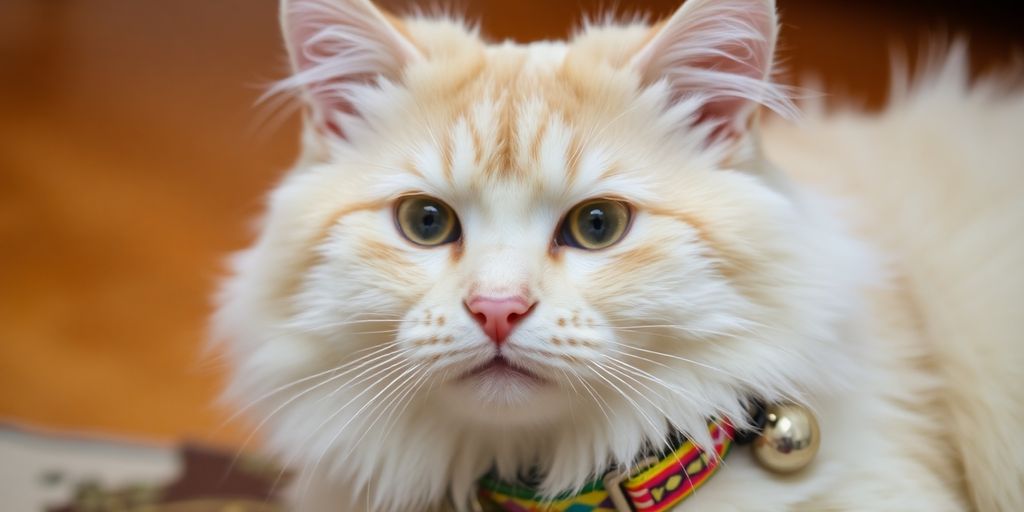
So, your cat’s collar is sorted for safety and comfort – brilliant! But who says practical can’t be pretty? Your cat’s collar is a fantastic opportunity to show off their unique personality, or at least, your appreciation for their unique personality. It’s like a little fashion statement for your furry friend.
Expressing Personality With Colour
Think about your cat. Are they a bold adventurer, a shy observer, or a cuddly companion? You can reflect that in the colour of their collar. A bright, cheerful yellow might suit a playful kitten, while a deep, sophisticated navy could be perfect for a more reserved older cat. It’s not just about looks, either; brighter colours can also help your cat be more visible, adding another layer of safety, especially if they like to explore.
- Vibrant hues: Think reds, blues, and greens for a bold statement.
- Pastel shades: Soft pinks, blues, and yellows for a gentler look.
- Patterned options: Stripes, polka dots, or even little paw prints can add extra flair.
Choosing the right colour can really make your cat stand out.
Choosing Stylish ID Tags
While we all hope our cats never get lost, an ID tag is a sensible precaution. Thankfully, they don’t have to be boring. You can find ID tags in all sorts of fun shapes – little fish, hearts, stars, or even tiny bones. Many are made from durable metal and can be engraved with your cat’s name and your phone number. Some even come with little charms attached, though always make sure these are securely fastened and not too large or heavy for your cat. It’s a great way to add a personal touch without compromising on safety. You can find some lovely options for personalized cat collars that include space for this.
When Less Is More With Charms
Charms can be cute, but you need to be a bit careful. A tiny bell can alert birds to your cat’s presence, which is good for wildlife, but some cats find the constant jingling really annoying. If you do opt for a charm, make sure it’s lightweight, securely attached, and doesn’t have any small parts that could break off and be swallowed. For cats who are particularly active or prone to getting into tight spots, it might be best to skip the charms altogether and stick to a simple, stylish collar with an embroidered name or a sleek ID tag. It’s all about finding that balance between looking good and staying safe.
Understanding Different Cat Collar Types
Right then, let’s chat about the different kinds of collars you can get for your cat. It’s not just a one-size-fits-all situation, you know. Each type has its own job and its own set of pros and cons, so picking the right one is pretty important for your furry mate.
The Benefits of Breakaway Collars
So, what’s the big deal with breakaway collars? Basically, they’re designed with a special clasp that’s meant to pop open if your cat gets into a bit of a pickle. Imagine them snagging their collar on a fence post or a tree branch while exploring – a breakaway buckle means they can wriggle free instead of getting stuck. This is a massive safety feature, especially for cats who spend time outdoors. It stops them from getting choked or injured if their collar gets caught on something. When you’re choosing one, look for a clasp that feels secure enough for everyday wear but will definitely release under pressure. It’s all about giving them a safe way to explore without you worrying too much. You can find a good selection of these safety-focused collars that prioritise your cat’s well-being.
When To Consider Harness Collars
Harness collars, or more commonly just cat harnesses, are a bit different. They’re not really for everyday wear like a standard collar. Instead, they’re brilliant if you’re thinking about leash training your cat or if you have a cat that likes to try and wriggle out of everything. A harness fits more snugly around their body, distributing any pressure more evenly. This means if they pull on the leash, it’s not all focused on their neck. They’re great for taking your cat on supervised adventures, like a trip to the park or just exploring the garden safely. Just make sure you get the right fit – a harness that’s too tight or too loose can be uncomfortable or even unsafe.
Pest Control Collars: What To Know
These are the collars that come with built-in protection against fleas and ticks. They’re usually impregnated with chemicals that are released over time to keep those pesky critters away. On the surface, it sounds like a good idea, right? Extra protection for your cat. However, it’s worth knowing a few things. Firstly, some cats can be a bit sensitive to the chemicals, so you might see skin irritation. Secondly, the effectiveness can vary, and they might not be as potent as spot-on treatments. It’s always a good shout to have a chat with your vet before you pop one of these on your cat. They can give you the lowdown on whether it’s the best option for your particular pet and advise on any potential side effects. They might suggest other methods that are safer or more effective for your cat’s specific needs.
So, What’s the Verdict?
Right then, choosing a cat collar might seem like a big deal, but really, it’s all about keeping your furry mate safe and comfy. We’ve gone through the bits and bobs – the breakaway clasps are a must, no question, and making sure it fits just right, not too tight, not too loose, is key. Think soft materials like cotton, and don’t forget that all-important ID tag in case they ever decide to go on an unplanned adventure. It’s not just about looking good, though a stylish collar is a bonus; it’s about peace of mind for you and a happy neck for them. So, pick wisely, and your cat will be strutting around in no time, looking and feeling their best.
Frequently Asked Questions
Why should my cat wear a collar?
It’s a good idea to put a collar on your cat so people know they belong to someone if they get lost. It can also help keep pesky fleas and ticks away, and some collars have bells to warn birds and other small animals that your cat is nearby. For cats that go outside, a collar with your phone number on it is super helpful if they wander off.
What makes a cat collar safe?
The safest collars have a special ‘breakaway’ buckle. This means if your cat gets its collar caught on something, like a branch or a fence, the buckle will snap open, letting your cat get free. This stops them from getting stuck or hurt. Always make sure the collar isn’t too loose or too tight – you should be able to fit two fingers between the collar and your cat’s neck.
What materials are best for a cat collar?
Cats can be fussy about what they wear, so comfort is really important! Soft materials like cotton or velvet feel nice against their fur. Leather can be tough but needs to be soft and bendy. Silicone is also a good choice because it’s gentle and doesn’t cause allergies. Whatever you pick, make sure it’s not too wide, as that can be uncomfortable.
How do I make sure the collar fits my cat properly?
To get the right fit, measure the base of your cat’s neck where the collar will sit. Then, use the ‘two-finger test’: you should be able to slide two fingers comfortably between the collar and your cat’s neck. This means it’s snug enough not to fall off but not so tight that it bothers them. If your cat is still growing, choose a collar that can be easily adjusted.
How can I get my cat to wear a collar without a fuss?
Getting your cat used to a collar takes patience! Let them sniff it first, then put it on for short periods while giving them treats or playing. Watch them closely at first to see if they seem bothered. Gradually leave it on for longer, and soon they’ll get used to it.
How often should I clean my cat’s collar?
You should clean your cat’s collar regularly, maybe once a week or every two weeks, depending on how dirty it gets. Most collars can be washed gently with warm water and a bit of mild soap. Just make sure to rinse it well and let it dry completely before putting it back on your cat.
