

Getting a cat flap can really make life easier for both you and your furry friend. No more midnight meowing to be let in or out! But with so many options out there, picking the right one can feel a bit overwhelming. This guide is here to help you sort through the different types of cat flaps, figure out what features matter most, and even give you some pointers on getting it fitted and helping your cat get used to their new entry.
Key Takeaways
- Consider your cat’s size and temperament when choosing a cat flap.
- Microchip cat flaps offer enhanced security by only allowing your cat access.
- Installation location is important; doors and glass panels are common, but consider alternatives.
- DIY fitting is possible, but professional installation ensures a secure and proper job, especially for glass doors.
- Regular cleaning and occasional checks will keep your cat flap working smoothly.
Understanding Your Cat Flap Options
So, you’re thinking about getting a cat flap? Brilliant! It’s a fantastic way to give your feline friend a bit more freedom, letting them pop in and out whenever they fancy without you having to play doorman. But with so many choices out there, where do you even start? Let’s break down what’s what.
What Exactly Is A Cat Flap?
At its heart, a cat flap is just a small opening, usually fitted into a door or wall, that allows your cat to come and go as they please. Think of it as their personal little doorway to the outside world. They’ve been around for ages, with some stories even linking their invention to Isaac Newton – imagine him cutting holes in doors for his cats! Nowadays, though, they’re a lot more sophisticated, designed for convenience and security.
The Different Types Of Cat Flaps Available
When you start looking, you’ll see there are quite a few variations. You’ve got your basic, no-frills flaps that just swing open and shut. Then there are magnetic ones, which need a special collar tag to open, stopping any random neighbourhood cats from wandering in. And the really clever ones? Those are the microchip-activated flaps. These read your cat’s unique microchip, so only your pet can get through. It’s a great way to keep your home secure. You can also get flaps with different locking mechanisms, like a 4-way locking system, which gives you control over whether the flap is locked, unlocked, or only allows entry or exit. This is handy if you want to keep your cat in at night or when you’re out.
Microchip Vs. Standard Cat Flaps
This is a big one for many owners. A standard flap is simple – push and go. It’s usually the cheapest option. However, it means any animal, or even a particularly determined neighbourhood cat, can use it. This can lead to unwanted visitors, or even your cat getting locked out if another animal is blocking the way. Microchip cat flaps offer a much higher level of security. They only open for your cat, thanks to their implanted microchip. This means no more uninvited guests, and your cat can always get back in. If your cat isn’t microchipped yet, you can get special RFID collars that work in a similar way. It’s a really effective way to manage who comes and goes.
Choosing the right type of cat flap is all about balancing your cat’s freedom with your home’s security and your own peace of mind. It’s worth taking a moment to think about what will work best for your specific situation.
Choosing The Best Cat Flap For Your Home
So, you’ve decided a cat flap is the way to go. Brilliant! But with so many options out there, picking the right one can feel a bit like trying to herd cats. Don’t worry, we’ll break it down.
Considering Your Cat’s Needs
First things first, let’s think about your furry friend. Is your cat a timid homebody or an adventurous explorer? This will influence the type and size of flap you need. A larger, more robust flap might be overkill for a small, shy cat, while a tiny flap could be a real struggle for a bigger breed. Also, consider if you have multiple cats. If you’ve got a few felines, you might want a flap that can handle a bit more traffic, or perhaps one that only lets your own cats in and out. This is where microchip flaps really shine, stopping neighbourhood strays from muscling in on your cat’s territory (or food bowl!).
Features To Look Out For
When you’re browsing, keep an eye out for a few key features. The ability to control access is a big one. Some flaps have simple locks, while others offer more advanced settings like ‘in only’, ‘out only’, or ‘fully locked’. This is super handy if you need to keep your cat indoors for any reason, like during fireworks or if they’re unwell. Draught-proofing is another big plus, especially if the flap is going into a door that gets a lot of weather. You don’t want your heating bill to go through the roof because of a leaky flap! Some of the fancier models even connect to an app, letting you monitor your cat’s comings and goings, which is pretty neat if you’re a bit of a worrier.
Here’s a quick rundown of common features:
- Manual Locks: Simple slide bolts for basic control.
- 4-Way Locking: Allows ‘in only’, ‘out only’, ‘locked’, and ‘unlocked’ settings.
- Microchip Activation: Only programmed microchips can operate the flap.
- Timer Functions: Some flaps let you set specific times for access.
- Draught Excluders: Helps keep your home warmer and reduces energy loss.
Budget-Friendly Choices
Cat flaps don’t have to cost a fortune. While the high-tech microchip ones can be pricier, there are plenty of perfectly good, standard flaps available that won’t break the bank. If your main concern is just giving your cat a bit of freedom without worrying about other animals getting in, a simple manual locking flap might be all you need. You can often find good deals on popular brands like Catmate or Staywell if you shop around. Remember, even a basic flap can make a huge difference to your cat’s happiness and your own convenience. For a good balance of features and price, you might want to look at options like the Cat Mate 360W, which is often cited as a great budget-friendly choice. Getting a quote from a professional installer is always a good idea to understand the full cost, and companies like Pet Flaps UK can help with that.
Where To Install Your Cat Flap
So, you’ve decided a cat flap is the way to go – brilliant! Now comes the slightly trickier bit: figuring out where to actually put it. It’s not just about hacking a hole in the nearest door, you know. Think about it from your cat’s perspective, and yours too.
Fitting A Cat Flap In A Door
Most people opt for a door, and it makes sense. Back doors are popular because they often lead to the garden, giving your feline friend a safe outdoor space to explore. Side doors work well too, especially if they lead to a quieter part of your property. When you’re cutting into a door, whether it’s wood, uPVC, or even aluminium, getting the height just right is key. You want it low enough for your cat to pop through easily, usually about 2-4 inches off the floor. Too high, and they’ll be doing a strange little hop; too low, and you might get more drafts. Also, make sure the area on both sides of the flap is clear – no plant pots or bins right in the way!
Glass Door Considerations
Putting a cat flap in a glass door, like a patio or French door, is totally doable, but it’s a bit more specialised. You can’t just grab a saw and go for it. It usually means replacing a panel of the glass with a new one that has the hole already cut. Because glass is, well, glass, it’s really best to get a professional to do this. They have the right tools and know-how to cut it safely without it all going pear-shaped. It’s a bit more involved than a wooden door, but it looks really neat when it’s done.
Alternative Locations For Your Cat Flap
What if your doors aren’t playing ball? Don’t despair! Walls are a perfectly good option. If you’ve got a brick or plasterboard wall, a professional can cut a hole and fit a tunnel for the flap. This can be a great choice if you want the flap in a specific spot that isn’t a door, maybe leading directly into a sheltered porch or a specific part of the garden. It’s worth noting that wall installations can sometimes be a bit more expensive due to the extra work involved. Another idea, especially for flats or homes without easy garden access, is a window insert. These are panels that fit into your window frame, with the cat flap built-in. It’s a clever way to give your cat freedom without needing to alter your main doors.
Getting Your Cat Flap Fitted
So, you’ve picked out the perfect cat flap, but now comes the tricky bit: getting it installed. While some folks are happy to have a go themselves, especially with simpler wooden doors, others prefer to leave it to the pros. It really depends on your DIY skills and the type of door or window you’re working with.
DIY Installation Or Professional Help?
If you’ve got a standard wooden door and you’re handy with tools, a DIY job might be on the cards. You’ll need to measure carefully, cut a hole, and then secure the flap. However, things get a bit more complicated with other materials. For UPVC doors, you need to be extra careful not to damage the frame, and glass doors are a whole different ball game. Cutting glass requires special tools and a steady hand, and honestly, it’s usually best left to the experts to avoid any costly mistakes or, worse, a broken pane. For these trickier installations, getting a professional fitter is definitely the way to go. Companies like Pet Flaps UK have loads of experience fitting flaps into all sorts of doors and windows.
What To Expect During Installation
When a professional comes to fit your cat flap, they’ll usually start by discussing the best placement with you. They’ll then measure up and mark out the area for the cut. For wooden or UPVC doors, they’ll cut the hole and then fit the flap, securing it with screws. If it’s a glass door, they’ll typically replace a section of the glass with a new pane that has the cat flap already built into it. It’s a pretty quick process, usually taking an hour or two, depending on the complexity.
The Cost Of Fitting A Cat Flap
The price for fitting a cat flap can really vary. A simple job on a wooden door might be less expensive than fitting one into a double-glazed unit or a UPVC door. You’re looking at anything from around £70 to £200 or more, depending on the type of door, the flap itself, and where you are in the country. It’s always a good idea to get a few quotes before you commit, just to make sure you’re getting a fair price for the work.
Keeping Your Cat Flap In Top Condition
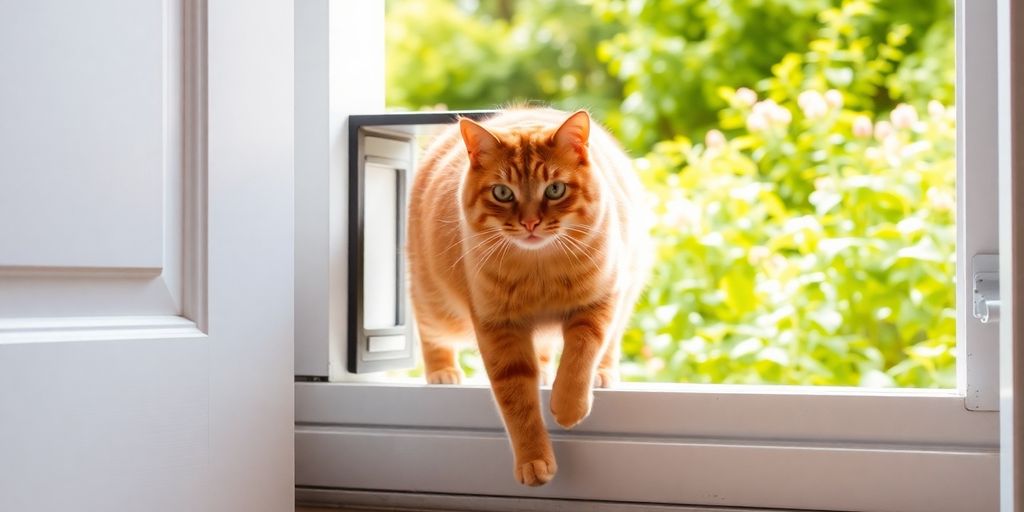
So, you’ve got your cat flap sorted, and your furry friend is enjoying their newfound freedom. Brilliant! But like any bit of kit, a cat flap needs a bit of TLC to keep it working smoothly and securely. Ignoring it can lead to draughts, sticky mechanisms, or even security issues, which is the last thing anyone wants.
Essential Maintenance Tips
Giving your cat flap a regular once-over is a good idea. Think of it like giving your car a quick check before a long journey. You don’t need to be a mechanic, just a few simple things:
- Cleaning: Over time, dirt, pet hair, and general gunk can build up. A quick wipe down with a damp cloth usually does the trick. Pay attention to the edges and the mechanism itself. If you have a microchip flap, make sure the sensor area is clean so it reads your cat’s chip without any fuss.
- Inspection: Have a good look for any cracks, loose parts, or signs of wear and tear. Check that the flap itself moves freely and isn’t sticking. If it’s a magnetic one, ensure the magnets are still strong.
- Battery Check (if applicable): For those fancy microchip or electronic flaps, batteries will eventually give up the ghost. Most have an indicator, but it’s worth checking them every few months, especially if you notice the flap acting a bit sluggish. Popping in fresh batteries can solve a multitude of sins. You can find replacement batteries for many popular models online, sometimes even bundled with other handy pet tech gadgets.
When To Consider A Cat Flap Cover
Sometimes, you might need to temporarily block off the cat flap. Maybe you’ve got a new kitten who isn’t quite ready for outdoor adventures, or perhaps you’ve got a visitor’s dog staying over and don’t want any unexpected guests using the flap. A cat flap cover is your best friend here. Some flaps come with a built-in cover, or you can buy them separately. They’re usually simple to slide into place and just as easy to remove when you want to give your cat back their freedom.
Troubleshooting Common Issues
Even with the best maintenance, things can go a bit wonky. Here are a few common hiccups and how to sort them:
- Flap is stiff or won’t close properly: This is often down to dirt or a slight misalignment. Try cleaning it thoroughly. If it’s still stiff, check if anything is obstructing the mechanism. For magnetic flaps, ensure the magnet isn’t damaged or blocked.
- Microchip flap not recognising your cat: First, check the batteries. If they’re fine, give the sensor area a good clean. Make sure your cat’s chip is correctly programmed into the flap – sometimes they can get unregistered, especially after a battery change. If all else fails, you might need to re-register their chip.
- Draughts: If you’re feeling a breeze, the seals might be worn or the flap isn’t closing flush. Check the weather stripping and the flap’s alignment. Some flaps have adjustable seals, or you might need to replace worn-out ones.
Keeping your cat flap in good nick isn’t just about convenience; it’s also about maintaining your home’s security and insulation. A well-maintained flap works as intended, keeping the right visitors in and the wrong ones out, while also stopping your heating from escaping!
Don’t forget that patience is key if your cat is having trouble with the flap, whether it’s a new installation or a bit of maintenance has made it feel different to them. A little encouragement goes a long way.
Helping Your Cat Adapt To Their New Flap
So, you’ve got the new cat flap installed – brilliant! But now comes the slightly trickier part: getting your feline overlord to actually use it. Cats can be a bit… particular, shall we say? They like their routines, and a new hole in the wall or door can be a bit of a shock to the system. Don’t worry though, with a bit of patience and some clever tricks, most cats get the hang of it pretty quickly. The key is to make it a positive experience for them.
Tips For Training Your Cat
Getting your cat to embrace their new freedom requires a gentle approach. Here are a few things you can try:
- Familiarisation is key: Before you even think about installation, let your cat sniff the new flap. If you’ve got a microchip one, get it programmed with your cat’s chip first. You can even rub a soft cloth on their face and then wipe it over the flap. This transfers their scent, making it feel less alien. It’s a bit like giving it their own personal stamp of approval.
- Prop it open initially: For the first few days, try propping the flap open with a bit of tape or a small wedge. This lets your cat see it as just an open doorway, rather than something they have to push through. Once they’re comfortable going back and forth, you can gradually lower it so they have to start nudging it.
- Bribery works wonders: If your cat is still hesitant, treats are your best friend. Get someone to sit on the other side of the flap with their favourite snacks or a dangly toy. Call your cat and encourage them to come through. The moment they do, lots of praise and a tasty reward! You can find some great interactive toys that might help with this cat flap training.
Ensuring A Smooth Transition
Beyond the direct training, there are a few other things that can make the whole process easier for your cat.
Think about where the flap is located. If it opens out onto a wide-open, exposed space, your cat might feel a bit vulnerable. Try to position it somewhere a bit more sheltered, or perhaps add a plant pot or two nearby to give them a sense of security as they go through.
Be patient. Some cats will be through it like a shot, while others might take a week or two to get used to it. Don’t give in and open the door for them if they seem reluctant – that just teaches them that the flap isn’t necessary. Stick with it, and they’ll get there!
So, What’s the Verdict?
Right then, we’ve waffled on about cat flaps quite a bit, haven’t we? From figuring out if you even need one to deciding where it’ll actually go, it’s a bit more involved than just cutting a hole. Whether you’re after a simple flap for your old wooden door or a fancy microchip number for your shiny new UPVC one, the main thing is getting it sorted properly. Don’t forget to measure up your furry friend – no one wants a cat stuck halfway through! And if you’re not feeling up to a bit of DIY, there are plenty of pros who can sort it all out for you. Ultimately, it’s all about giving your cat a bit of freedom and you a bit of peace. Happy cat, happy life, eh?
Frequently Asked Questions
What exactly is a cat flap?
A cat flap is basically a small door for your cat, fitted into a larger door or window. It lets your cat pop in and out whenever they fancy, without you needing to keep opening the door for them. Think of it as a little personal entrance for your furry friend!
What are the different kinds of cat flaps?
There are a few main types. You’ve got the simple, basic ones that just open and close. Then there are microchip ones, which only let your cat in because they read their unique microchip. Some also have magnetic locks. It’s all about choosing what works best for your cat and your home’s security.
What’s the difference between microchip and standard cat flaps?
Microchip cat flaps are a bit smarter. They have a scanner that reads your cat’s microchip when they approach. This means only your cat can get in, stopping any cheeky neighbourhood cats from inviting themselves over for dinner. Standard flaps just open for any cat that pushes them.
How do I pick the right size and type for my cat?
You need to think about your cat’s size first – make sure the opening is big enough for them to get through comfortably. Also, consider where you want to put it. Most people fit them in doors, but you can also put them in windows or even walls. It’s best to pick a spot that’s easy for your cat to reach.
Can I fit a cat flap in any door?
Yes, you can fit them in most doors, like wooden or UPVC ones. Glass doors are a bit trickier and often need a specialist to cut the glass safely. It’s always a good idea to check what type of door you have before you buy.
How do I get my cat to use the new flap?
Some cats take to them straight away, while others need a little encouragement. Try tempting your cat through with a tasty treat or a favourite toy. You can also gently guide them through a few times. Patience is key, and most cats get the hang of it pretty quickly!
