

Picking out the right dog collars for dogs can feel like a big task, can’t it? There are so many options out there, from the simple flat ones to more specialised types. It’s not just about looks, though; the right collar helps keep your dog safe and can even help with training. Let’s have a look at what makes a good collar for your furry friend.
Key Takeaways
- Dog collars are important for safety, like holding ID tags and attaching a leash, but they also play a role in training and expressing your dog’s style.
- When choosing dog collars for dogs, think about the material (like nylon or leather), ensuring a comfortable and secure fit by using the two-finger rule.
- Different types of dog collars exist for various needs, including everyday wear, identification, and specific training or control purposes.
Understanding The Purpose Of Dog Collars For Dogs
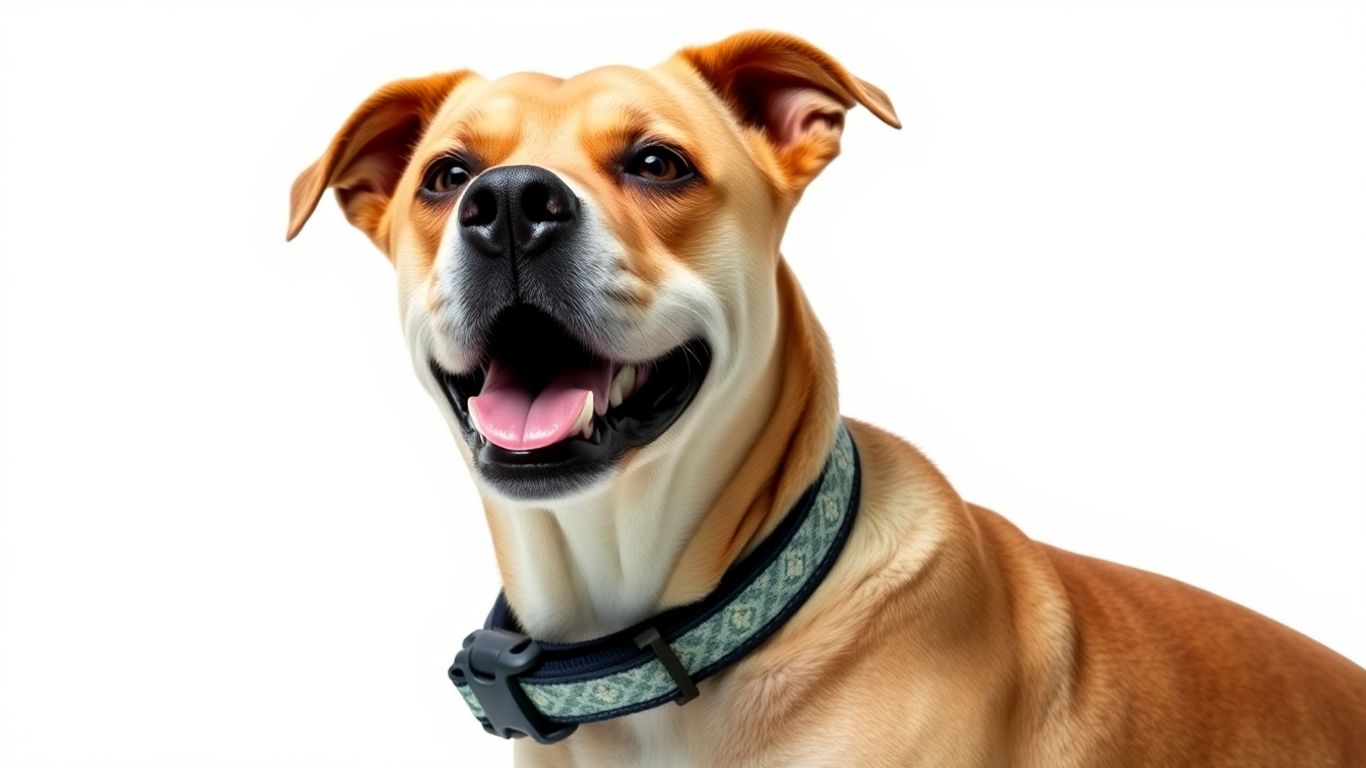
Right then, let’s chat about dog collars. You might think it’s just a bit of fabric or leather to hang a tag off, but honestly, it’s a bit more than that. A good collar is actually pretty important for your furry mate.
Keeping Your Canine Companion Safe
First off, the big one: safety. Your dog’s collar is what connects to the lead, giving you that bit of control when you’re out and about. Even the most well-behaved pooch can get spooked or distracted, and having a secure collar means you can keep them from darting off into traffic or chasing after a squirrel with a bit too much enthusiasm. It’s also where you’ll pop those all-important ID tags. You know, the ones with your phone number on them. If your dog ever goes wandering, those tags are their ticket home. It’s always a good idea to have these tags updated, and maybe even consider a microchip too, just for extra peace of mind. A collar is basically your dog’s first line of defence if they ever get lost.
More Than Just An Accessory
Beyond the safety aspect, collars serve a few other purposes too. They can be a tool for training, helping your dog understand leash pressure and learn good manners. Plus, let’s be honest, they can look pretty smart! You can get them in all sorts of colours and styles to match your dog’s personality, or even your own. Think of it like choosing a good pair of shoes – you want something that looks good, feels comfortable, and does the job properly. Whether it’s for everyday wear, just popping on for a quick trip to the shops, or for more adventurous outings, the right collar makes a difference. It’s worth taking a moment to think about what you’ll be using it for most often when you’re looking at different types of collars.
Choosing The Right Dog Collars For Dogs
Right then, let’s get down to brass tacks about picking the best collar for your four-legged mate. It’s not just about grabbing the first shiny thing you see in the pet shop, you know. There’s a bit more to it than that, really. You want something that’s comfy, safe, and does the job it’s supposed to do, whether that’s keeping your dog close on a walk or just looking smart.
Material Matters For Your Dog’s Comfort
So, what’s your dog’s collar going to be made of? This is a biggie for comfort. You’ve got a few main players here:
- Nylon: This is a really popular choice. It’s tough, usually comes in a million colours and patterns (so you can really show off your dog’s personality!), and it’s a doddle to clean. Perfect if your dog likes a good roll in the mud or a splash in a puddle.
- Leather: Ah, the classic. Leather collars look smart and can be really comfortable for dogs to wear for ages. They do need a bit more looking after, though – think conditioning now and then to stop them drying out. If you’ve got a dog that’s a bit sensitive, leather might be the way to go.
- Fabric/Webbing: Similar to nylon but sometimes a bit softer. You’ll find these in all sorts of weaves and blends, often with nice padding. Good for dogs with sensitive skin or just for that extra bit of snugness.
The key is to feel the material – is it rough or smooth? Will it chafe? You don’t want anything that’s going to irritate your dog’s neck, especially if they wear it all day.
Finding The Perfect Fit For Your Dog
Getting the size right is absolutely vital. Too tight and your dog will be miserable, maybe even struggling to breathe properly. Too loose, and well, they could wriggle out of it, which is a big no-no, especially if you’re out and about.
Here’s a simple way to check:
- Measure: Use a soft tape measure around your dog’s neck, where the collar would naturally sit. Don’t pull it too tight.
- The Two-Finger Rule: Once you’ve got the collar on (or you’re trying one on), you should be able to comfortably slip two fingers between the collar and your dog’s neck. Not your whole hand, just two fingers, snug but not squashed.
- Check Regularly: Dogs can change size, especially puppies or if they gain or lose weight. Give the collar a quick check every so often to make sure it still fits perfectly.
A collar that’s too loose isn’t just a safety risk; it can also get caught on things more easily, leading to potential accidents. Always err on the side of a snug, but not tight, fit.
Different breeds have different neck shapes too. Some dogs, like Greyhounds, have very slender necks, and a standard collar might just slip right off. For these guys, you might need to look at specific types like martingale collars, which tighten slightly if they pull, preventing escape without choking them.
Exploring Different Types Of Dog Collars For Dogs
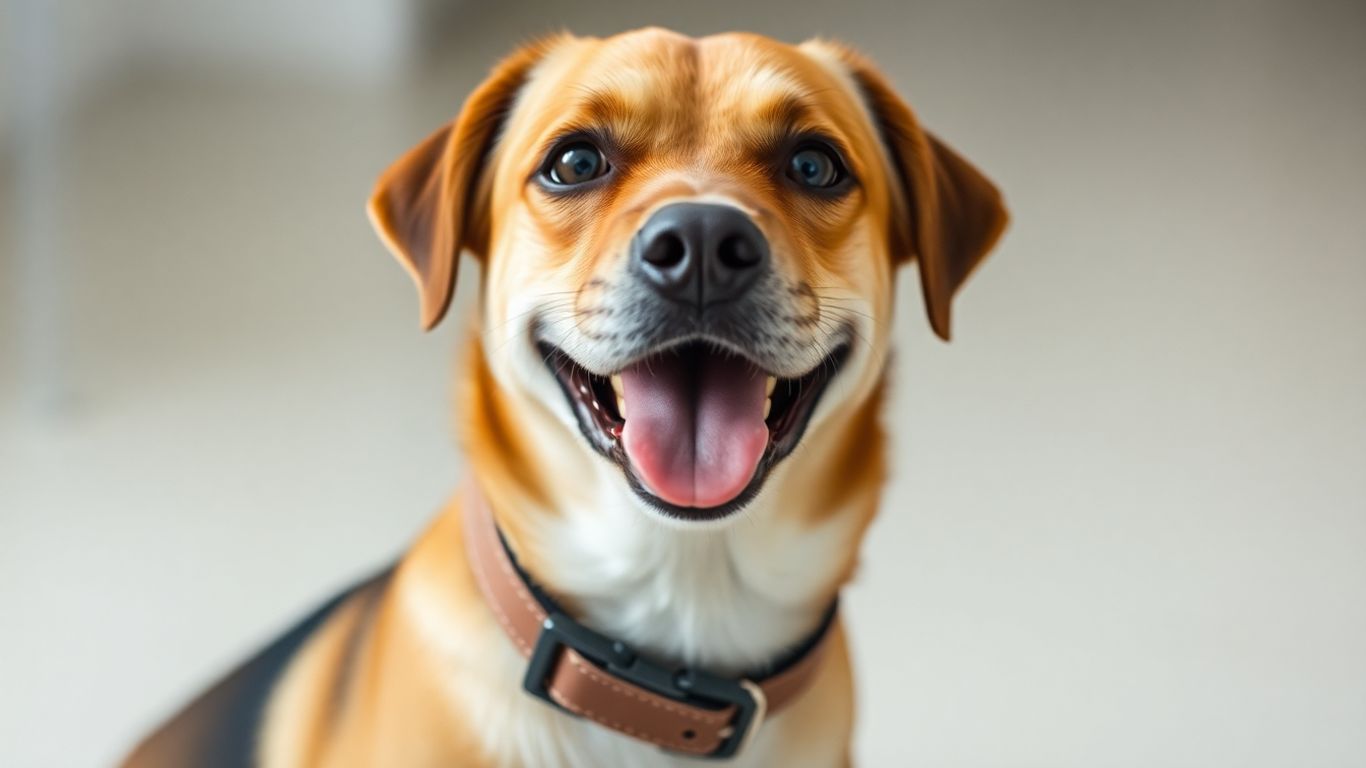
Right then, let’s get down to the nitty-gritty of what’s actually out there when it comes to dog collars. It’s not just about picking the prettiest pattern, although that’s part of the fun, isn’t it? Different collars do different jobs, and knowing what they are can make a big difference for you and your furry mate.
Everyday Wear and Identification
For day-to-day life, you’ll probably be looking at a standard flat collar. These are the ones most people think of first. They’re usually made from tough stuff like nylon or leather, and they’re great for clipping your dog’s ID tags onto. You know, the ones with your phone number, just in case they decide to go on an impromptu adventure. A well-fitting flat collar is a must-have for keeping your dog identifiable. They come with all sorts of fastenings, from good old buckles that are pretty secure, to quick-release clips which are handy if you’re taking it on and off a lot. When you’re picking one out, make sure you can get two fingers comfortably between the collar and your dog’s neck. Too tight and it’s no good, too loose and they could wriggle out of it – not ideal! It’s worth checking out different collar materials to see what suits your dog best, especially if they have sensitive skin or are particularly active.
Collars For Training And Control
Now, if your dog is a bit of a puller on the lead, or you’re working on some training, you might want to look at other options. Martingale collars, sometimes called limited-slip collars, are designed to tighten slightly when your dog pulls, giving you a bit more control without actually choking them. They’re often made of fabric or metal. Then there are harnesses, which sit on the chest and shoulders rather than the neck. These are brilliant for dogs that pull a lot, or those with any sort of neck or breathing issues, as they spread the pressure more evenly. Some people also use head halters, which go over the dog’s nose and behind the ears, giving you control over their head. It’s a bit like steering a horse, really!
It’s always a good idea to chat with a local dog trainer if you’re unsure about which type of training collar is best for your dog’s specific needs and temperament. They can offer tailored advice that’s spot on for your particular pup.
Remember, the goal is always safety and comfort. Whatever collar you choose, give it a regular once-over to check for any wear and tear. A damaged collar is no good to anyone!
Here’s a quick rundown of common materials:
- Nylon: Durable, often colourful, and easy to clean. Great for everyday use and active dogs.
- Leather: Classic look, can be very comfortable, but needs a bit more care to keep it in good nick.
- Cotton: Usually the cheapest option, but not the most hard-wearing. Better for smaller, less pull-y dogs.
- Metal (Brass/Steel): Very strong, best for larger, powerful breeds. Can be a bit heavier.
So, What’s the Verdict?
Right then, choosing the right collar for your dog doesn’t have to be a massive headache. We’ve looked at all sorts of bits and bobs, from sturdy leather numbers to practical nylon ones, and even those clever martingale types for the pullers out there. The main thing is to make sure it fits properly – you know, the two-finger rule is your best mate here. And don’t forget to give it a once-over now and then to check for any wear and tear. Ultimately, a good collar is all about keeping your dog safe and comfy while you’re out and about. So have a think about your dog’s personality and how you use them, and you’ll find the perfect fit in no time. Happy walking!
Frequently Asked Questions
How often should I give my dog’s collar a good clean?
It’s a good idea to wash your dog’s collar regularly, especially if it gets a bit grubby or wet. A gentle wash with mild soap and water should do the trick. Just be sure to let it dry completely before popping it back on your furry pal.
How can I tell if my dog’s collar is too tight?
A simple test is to try and slip two fingers between the collar and your dog’s neck. If you can’t manage that easily, the collar is likely too snug. You might need to adjust it or get a larger size.
What’s the best type of collar for a puppy?
Puppies grow up so fast, don’t they? It’s often best to go for an adjustable collar or be prepared to buy a few different sizes as they get bigger. A soft, comfy material is also a good shout to avoid irritating their delicate skin.
