

Bringing home a Turkish Angora kitten is a bit of an adventure. These little cats are full of energy and curiosity, and they’ll quickly make their presence felt in your home. Whether you’re a first-time cat owner or you’ve had pets before, the Turkish Angora’s lively personality and unique needs can be surprising. Here’s what you should know before your new furry friend arrives.
Key Takeaways
- Turkish Angora kittens are playful, clever, and love being part of the action at home.
- Pick a kitten that looks healthy and alert, and always ask breeders or shelters about health checks and the kitten’s background.
- Get your home ready with safe spots, scratching posts, and fun toys – these kittens need space to climb and explore.
- Feed your Turkish Angora kitten a balanced diet, keep them hydrated, and watch their weight to avoid health problems.
- Regular brushing, nail trims, and vet visits will help keep your Turkish Angora kitten happy and healthy for years to come.
Getting to Know the Turkish Angora Kitten
A Snapshot of the Breed’s History and Personality
The Turkish Angora isn’t some designer cat that popped up recently—they’ve been strutting around since at least the 15th century in Turkey. In their homeland, they’re considered something pretty special. These cats started out as naturally occurring, not created in a lab, and brought their elegance to Europe and beyond. Over the years, they almost vanished as a separate breed because they were used to improve other cats’ coats. Luckily, people recognised what a little treasure they had.
Don’t let their delicate look fool you—these cats are survivors and full of personality. Some would say they’re nearly comedians, using their cleverness to get what they want. If you bring one home, expect them to act more like a feisty companion than a background pet—kind of like a housemate who really loves you.
Turkish Angoras often form a tight bond with one particular person, but still insist on inspecting everything and greeting guests like they own the place.
Typical Looks and Quirks You Can Expect
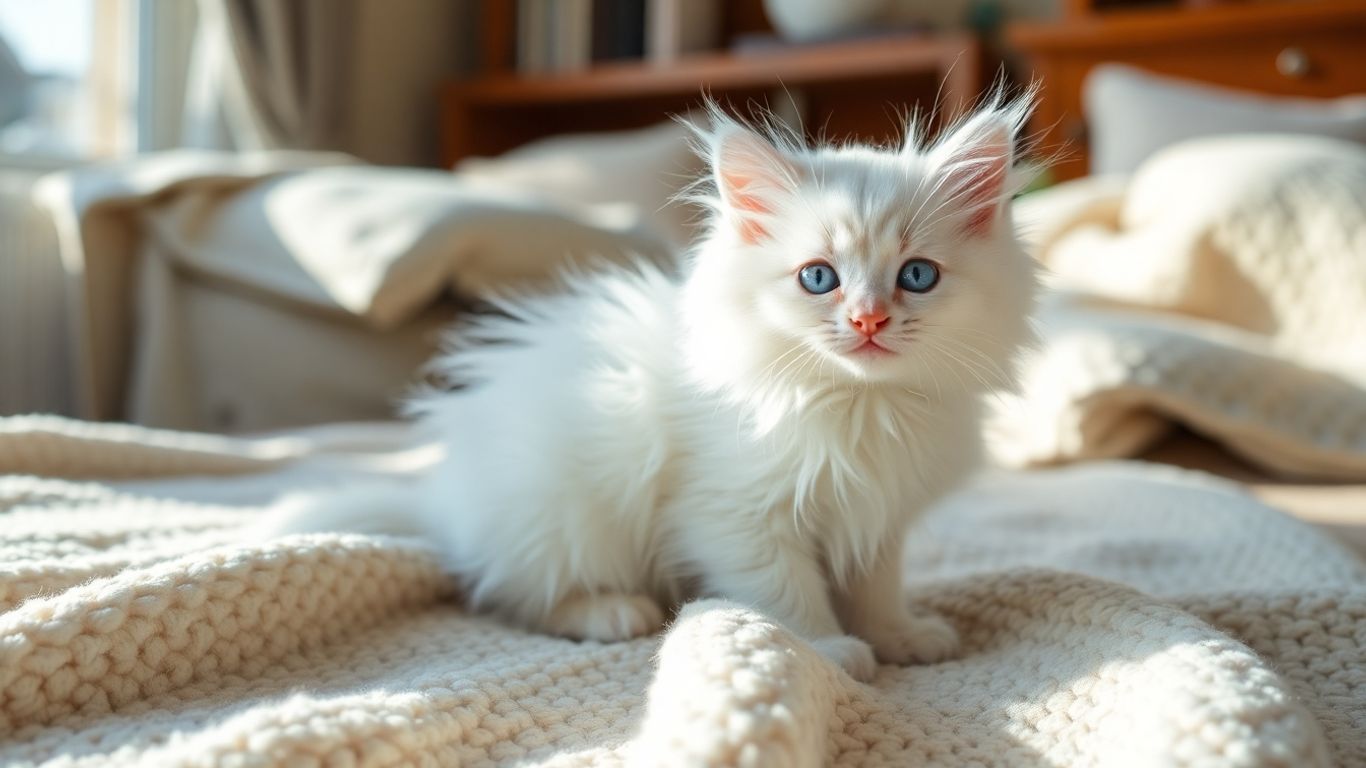
The classic picture people have of Turkish Angoras is a small to medium-sized, silky white cat with striking blue or green eyes—but that’s only part of the story. They can come in a load of different colours and patterns. What you’ll always get is a lithe frame, a wedge-shaped head, a luxurious, silky coat, and an elegant plumed tail. Their movement is sort of dancer-like—think ballerina, not bodybuilder.
Here’s a quick look at some of their features:
| Characteristic | Details |
|---|---|
| Weight | 5 – 9 lbs (2.2 – 4 kg) |
| Length | Up to 18 inches (46 cm) |
| Coat | Long, fine, low matting risk |
| Colours/Patterns | White (iconic), plus tabby, tortie, bicolours, more |
| Eye Colours | Blue, green, gold, odd-eyed |
| Lifespan | 13 – 15+ years |
Common quirks you’ll probably see:
- Climbing anything and everything (your shelves aren’t safe)
- Turning on taps or opening cupboards just because they can
- Supervising your activities—preferably from the highest vantage point
- Making guests feel welcome (or sometimes, firmly put in their place)
Why They’re So Affectionate and Attention-Seeking
Turkish Angoras are well known for needing lots of human contact. Honestly, some might say they’re a bit needy—but in a good way. Maybe it’s their intelligence, or just their nature, but being involved with their people is their main goal. They’ll follow you from room to room like a devoted shadow, sometimes with a running commentary (they do have opinions).
- They form deep bonds, often focusing on one favourite person
- They really dislike being left alone for hours—companionship is key
- High intelligence means they get bored quickly, so they look for ways to catch your interest
If you want a cat that always wants to be near you and is constantly thinking up new ways to entertain (or, yes, annoy) you, a Turkish Angora is a great fit. In fact, their social and playful side can make them the star of the show and family life, as you’ll notice from their lively, energetic temperament.
Just a heads-up: don’t expect a dozy lap cat. Expect a best mate who insists on keeping life interesting.
Choosing the Right Turkish Angora Kitten for Your Home
Bringing a Turkish Angora kitten into your life should feel exciting, not stressful. A bit of preparation and the right questions can help you find a lively, happy kitten that’s perfect for your home and gives you little regret down the line.
What to Look for in a Healthy Kitten
Not every bouncy kitten is a healthy one, so you’ve got to be a bit nosy. A healthy Turkish Angora kitten should be alert, play-hungry, and have clear, sparkling eyes with a soft, clean coat. Check their nose for any goop (should be clean), and peer into their ears—they should be pink and not smelly. It’s always a good sign if their siblings are also energetic and curious. Feel free to watch the litter play for a bit—see who’s bold and who’s hiding in a corner (that kitten might need extra care or may not feel well).
| Healthy Kitten Signs | What to Watch Out For |
|---|---|
| Bright, clear eyes | Runny, gunky eyes |
| Clean ears | Crusty, dirty, or smelly ears |
| Soft, unmatted coat | Bald patches or scabby skin |
| Loads of energy | Lethargy, hiding from people |
Before falling in love with the first ball of fluff you see, have a look at basic health advice from credible sources to make sure you’re on the right track.
Questions to Ask Breeders and Shelters
Don’t be shy. The best breeders welcome your curiosity—they’re proud of their cats and will want you to be a confident adopter. Here’s what you might want to ask:
- Do you health-test parents for genetic conditions such as heart disease?
- What food and care routines do you use for your kittens?
- Can I meet the kitten’s mother (and, if possible, father)?
- How are the kittens socialised (do they live in the home/with the family)?
- Are there any health guarantees or contracts?
- How long have you bred Turkish Angoras?
A good breeder will chat openly and happily, answer everything honestly, and won’t rush you. If you get a weird feeling, trust your gut—never ignore it.
Red Flags When Sourcing Your Kitten
There are a few glaring warning signs to watch out for—don’t ignore these no matter how cute the kittens look online!
- Kittens always available, or several litters seen at once
- Paying entirely online or by card without proper conversation
- Breeders who can’t or won’t show you where kittens are raised
- Kittens raised in isolation, not the home
- Reluctance to discuss health screening or supply paperwork
If you’re buying from a shelter (it’s rare, but sometimes possible), make sure they ask you plenty of questions, too—good shelters care where their kittens go.
Take your time. The right Turkish Angora kitten is worth the wait—better to go slow than regret a rushed decision.
Preparing Your Home for a Turkish Angora Kitten
Your Turkish Angora kitten is going to need somewhere safe and comfy to call its own that first week. Before they come home, set up a little den where they can slowly get used to all the new sights and smells. Think a soft bed, a hiding spot or two, and easy access to a litter tray. If you like, a quiet spare room works wonders. Turkish Angoras are agile climbers, so offer cat trees, sturdy shelves or even the back of the sofa for safe, fun climbing—and definitely double-check that any houseplants or breakables are well out of reach. For more tips on the first days, see this cozy, secure area suggestion.
- Choose a small, quiet area for your kitten to settle in at first
- Place a few climbing posts or ledges in safe zones
- Keep windows and balconies locked or screened, just in case
- Remove or secure dangling cords and small objects
In my experience, a whiskered explorer will always find the highest spot in a room, so don’t be surprised if your new kitten tries to scale your bookcase within the first afternoon.
Essential Kitten Supplies and Toys
Get ready for your Turkish Angora with a shopping list before you bring them home. These kittens are clever and energetic, so interactive playthings and comfort items are a must. Here’s a quick list of the basics you’ll want prepped:
- Litter tray (plus an extra if you have other cats)
- Grain-free kitten kibble and matching bowls
- Soft, machine-washable bed
- Scratching post and climbing tree
- Puzzle toys and feather wands
- Gentle brush (for that beautiful coat)
- A lightweight cat carrier for vet trips
Introducing Your Kitten to Family Members and Other Pets
This is where patience pays off. Your Turkish Angora has a big personality, but too much excitement all at once can stress them out. Let them meet family one by one in their safe room at first. Hold off on face-to-face introductions with other pets until your kitten seems brave and settled—let everyone sniff each other’s bedding as a first step. Cats are sensitive, so small kids should learn to use soft voices and gentle strokes!
- Keep first interactions short and sweet
- Never force your kitten into someone’s arms
- Give other pets a treat during intros, so they form a good association
- Expect a bit of hissing or hiding at first—it’s totally normal
Those first days, you’ll probably catch yourself sitting in the hallway, just waiting to see what the little fluffball does next. Let them come to you, and things will usually work out just fine.
Feeding and Nutrition for Turkish Angora Kittens
Let’s be honest, if you’ve just brought home a Turkish Angora kitten, figuring out what to feed your little whirlwind can feel like another full-time job. There’s loads of advice floating around, but your kitten needs food that helps them grow strong – and, let’s face it, keeps them zooming about the house.
Creating a Balanced Diet From Day One
Right from the start, your Turkish Angora kitten will need a diet packed with top-quality protein. Kittens are basically tiny, furry engines and burn through calories as they play – so meat should always be high up the ingredients list. Here’s a quick table of what an ideal balanced daily menu might look like:
| Food Type | Amount (per meal) | Frequency | Notes |
|---|---|---|---|
| Wet kitten food | 1/4–1/3 pouch | 3–4 times a day | Look for real meat as main item |
| Dry kitten kibble | 15–20g | Free access or 2x | Grain-free if possible |
| Treats | 1–2 pieces | Occasionally | Only as rewards, not a meal |
- Go for wet food with no weird fillers or mystery ‘meats’.
- Good-quality grain-free kibble is a trusted option for extra crunch and nutrients.
- Avoid foods meant for adult cats – kittens need different vitamins and calcium levels to help them grow.
Don’t start switching foods too much straight away. Sudden changes will only upset little tummies.
Hydration and Picking the Perfect Water Bowl
Water is not just an afterthought. Some Turkish Angoras are fascinated by running water, and you might find yours perched at the sink! Here’s what works:
- Fresh water daily, changed at least twice.
- Try a small pet fountain if your kitten ignores the traditional bowl – some kittens love this!
- Keep bowls away from litter trays.
- Stick to ceramic or stainless steel – plastic bowls can hang onto smells and bacteria.
If your kitten’s always nosing at your glass, it could be a sign the water dish isn’t clean enough. Remember, if you’re adding dry food to the menu, more water becomes even more important.
Treats, Tummy Upsets and Avoiding Obesity
Treats can be great motivators, especially for playful Angoras learning tricks, but it’s easy to go overboard. Here are some things to keep in mind:
- Treats should be less than 10% of daily calories.
- Only introduce one new treat at a time. If there’s a tummy upset, you’ll know what caused it!
- Stick to cat-safe treats – avoid anything with onions, garlic or weird additives.
- Watch for signs of weight gain. Young Angoras are very active, but overfeeding catches up quickly.
If little accidents or a softer stool happen, don’t panic – kittens can be sensitive. Sometimes, switching foods too quickly or a sneaky bite of something strange is all it takes. Cut back to simple, familiar food until it passes.
Keeping your kitten slim and healthy as they grow is one of the best things you can do for their long-term wellbeing.
Feeding your Turkish Angora is all about balance: the right foods, fresh water, and the odd treat to keep them on their toes. Trust your instincts, go slow with diet changes, and check in with your vet if you’ve got questions. The rest is just watching your fluffy acrobat enjoy every meal!
Looking After That Lovely Coat and More: Grooming Basics
When you first bring home a Turkish Angora kitten, that silky, flowing fur just begs for a gentle brush—and honestly, it’s pretty easy to keep it looking lovely. The best part? Their fancy coats are single-layered and usually don’t get matted like some other long-haired breeds. Still, there are a few things to keep up with to keep their coat and whole body in prime condition.
Simple Brushing Routines for Silky Fur
If you think you’ll be battling endless tangles, relax—a weekly brush should do the trick for most Turkish Angoras. Their hair might look dramatic, but it hardly ever mats, and weekly brushing helps manage odd bits of fluff and spread natural oils for a smooth finish. If the moulting season hits and you notice a little more hair lying around, bump it up to twice a week.
- Use a wide-toothed comb or a soft slicker brush
- Focus gently around the neck ruff and plumed tail
- Always go over any knots with patience—never yank
If your Angora is white or pale, and especially prone to getting a bit grubby, an occasional bath won’t hurt. Some Turkish Angoras are keen on water, so bathtub drama isn’t guaranteed like with other cats!
Get your kitten used to brushing and handling early, and grooming time will become a bonding treat for you both—not a battle.
Managing Shedding and Hairballs
Turkish Angoras tend to shed less than most long-haired breeds, but you’ll still want to keep on top of the fluff, especially during seasonal changes. Most kittens won’t start growing their full adult coats until they’re a year or two old—so you might actually notice more hair as they mature.
Here’s what helps manage shedding and hairball issues:
- Increase brushing to a couple of times a week during heavy shed
- Encourage hydration—cats with more moisture in their diet shed less
- Invest in a decent lint roller for sofas and jumpers!
- For hairballs, consider adding a teaspoon of cat-safe hairball paste now and then
If you ever spot repeated gagging, constipation or loss of appetite, have a chat with your vet just to be safe.
Keeping Teeth, Ears, and Claws Healthy
A bit of basic care goes a long way for a healthy kitten. That means paying attention to claws, teeth and ears—not just the pretty fur.
Recommended Grooming Schedule
| Task | How Often | Helpful Tip |
|---|---|---|
| Brushing Fur | Once a week (min) | Up to 2–3 times during heavy shed |
| Nail Trimming | Every 10–14 days | Use proper cat clippers—avoid the quick |
| Ear Cleaning | Check weekly, clean as needed | Use cotton wool, never cotton buds |
| Teeth Brushing | At least 3 times a week | Kitten toothpaste only—no human paste |
- Start all routines slowly, with treats and calm encouragement
- Ask your vet for a demo if you’re new to brushing, ear cleaning, or nail trimming
- Turkish Angoras sometimes love water, so check your kitten’s reaction to baths early on
Don’t forget, regular grooming isn’t just about keeping your Turkish Angora handsome—it’s a simple way to spot any skin lumps, sore patches, or fleas before they get worse. There’s also something oddly calming about a brushing session for both of you. For more practical daily tips, take a look at these Turkish Angora care suggestions.
Keeping Your Turkish Angora Kitten Healthy and Happy
Common Health Concerns to Watch Out For
Turkish Angoras are usually hardy cats, but there are a few health bits worth keeping on your radar. White Angoras with blue eyes can sometimes be deaf, either in one ear or both, so always check early signs. Another risk is hypertrophic cardiomyopathy, a heart condition that makes the heart muscle a bit too thick. There’s also ataxia, a rare neurological issue that crops up in kittens, and chronic kidney disease, more often seen as cats get older.
Here’s a quick look at what to be aware of:
| Condition | Who’s at risk | Description |
|---|---|---|
| Deafness | White/blue-eyed cats | Partial or full hearing loss |
| Hypertrophic Cardiomyopathy (HCM) | All Angoras, more in some lines | Thickening of the heart muscle |
| Ataxia | Rare, young kittens | Coordination and mobility problems |
| Chronic Kidney Disease (CKD) | Older cats | Kidneys lose function over time |
If your Angora shows unusual tiredness, odd walking, or just seems "off", a quick trip to the vet is best.
Early checks and a good relationship with your vet will make a world of difference if something feels odd with your kitten.
Fun Ways to Keep Them Active and Out of Mischief
Turkish Angoras are like furry whirlwinds. They love to keep busy and, if not kept entertained, will find their own way to cause chaos. The good news? It’s easy to keep them entertained:
- Rotate puzzle feeders, treat balls, and smart toys for mental workouts
- Invest in a tall cat tree or climbing shelves (Angoras adore heights)
- Play daily with wand toys or small balls to burn off that legendary energy
- Set up a safe perch by a window or stick a bird feeder outside for "Cat TV"
If you’ve got a garden or a safe outdoor space, consider supervised outings with a harness—many Angoras enjoy a bit of an explore. Prevent boredom and you’ll have a happier, better-behaved cat (and your furniture will thank you, too).
Vet Visits, Vaccinations, and Lifelong Wellness
Kittens need a schedule of vaccinations and checks early on. After all, there’s no better feeling than knowing your new mate’s protected. Here’s a starting checklist:
- Book a vet check soon after bringing your kitten home—set the baseline for what’s healthy
- Keep up to date with core vaccines (often for cat flu, enteritis, and feline leukaemia)
- Regular flea, tick, and worm treatments
- Annual health checks (twice a year if possible, for older cats)
And if anything doesn’t feel right – changes in eating, energy, or unusual behaviour – call your vet, don’t Google it. Best to be safe.
Making healthcare a routine part of your Angora’s life keeps them feeling their very best right through to seniors.
Wrapping Up: Life With a Turkish Angora Kitten
So, there you have it – bringing home a Turkish Angora kitten is a bit of an adventure, but honestly, it’s a good one. These cats are lively, clever, and full of personality. They’ll keep you on your toes, whether they’re chasing after a toy or just following you around to see what you’re up to. Sure, they can be a bit demanding and sometimes a little cheeky, but that’s all part of their charm. If you’re after a cat that’s happy to just snooze all day, this probably isn’t the breed for you. But if you want a furry mate who’ll make you laugh, keep you company, and maybe even learn a trick or two, the Turkish Angora is a great pick. Just remember to do your homework before bringing one home, and be ready for a bit of mischief along the way. In the end, you’ll have a loyal, loving friend who’s always up for a bit of fun.
Frequently Asked Questions
Are Turkish Angora kittens friendly with other pets and children?
Yes, Turkish Angora kittens are usually friendly and get along well with other pets and children. They enjoy being part of the family and will often try to join in with whatever is happening. However, they like to be in charge, so it’s important to introduce them slowly and watch how they interact with everyone.
How much grooming does a Turkish Angora kitten need?
Turkish Angora kittens have silky, single-layered coats that don’t tangle easily. Brushing them once a week is usually enough to keep their fur looking nice. During shedding seasons, you might want to brush more often to stop loose hair from getting everywhere and to help prevent hairballs.
What should I feed my Turkish Angora kitten?
Feed your Turkish Angora kitten high-quality kitten food that is made for their age and size. Make sure they always have fresh water. Avoid giving them too many treats, as this can lead to weight gain. If you are unsure about what food is best, ask your vet for advice.
Are there any common health problems in Turkish Angora kittens?
Most Turkish Angora kittens are healthy, but white ones with blue eyes can sometimes be deaf. Some may also develop heart problems like hypertrophic cardiomyopathy. It’s important to get your kitten from a breeder who checks for these issues and to have regular vet check-ups.
How can I keep my Turkish Angora kitten entertained?
Turkish Angora kittens are very playful and smart. Give them lots of toys, especially ones that let them chase or solve puzzles. Cat trees and climbing shelves are great for them, as they love to jump and explore. Playing with them every day helps keep them happy and out of trouble.
What should I look for when choosing a Turkish Angora kitten?
Look for a kitten that is active, curious, and friendly. Their eyes and ears should be clean, and they should not have runny noses or seem tired. Always choose a kitten from a breeder or shelter that raises them in a home environment and can show you health records.
