

So, you’re looking to get a new harness for your dog? It can feel a bit overwhelming with all the options out there, can’t it? Whether your dog is a seasoned walker or a bit of a puller, finding the right canine harnesses for dogs is key to making walks enjoyable and safe for everyone. This guide is here to help you sort through the different types, ensure a perfect fit, and get the most out of your new gear.
Key Takeaways
- When picking out canine harnesses for dogs, think about your dog’s specific needs, like if they pull a lot or try to escape. Different harnesses are designed for different behaviours and breeds.
- Getting the fit just right is super important. A harness that’s too loose could let your dog slip out, while one that’s too tight might be uncomfortable and cause chafing.
- Once you’ve got the right harness, remember to check the fit regularly and consider the materials and reviews to make sure it’s durable and comfortable for your furry friend.
Understanding Different Types Of Canine Harnesses For Dogs
So, you’re on the hunt for a new harness for your furry mate. It’s not just about grabbing the first one you see, oh no. There’s a whole world of harnesses out there, each designed with a specific job in mind. Picking the right one can make walks a dream or, well, a bit of a nightmare. Let’s break down what’s what.
Harnesses For Pullers And Escape Artists
If your dog treats walks like a personal sled-pulling competition, or if they’ve got a knack for Houdini-like escapes, you’ll want to pay close attention here. For the enthusiastic pullers, a front-clip harness is often a game-changer. These have a leash attachment point right on the chest. When your dog pulls, it gently turns them back towards you, discouraging the pulling without yanking their neck. Think of it as a polite nudge in the right direction. Some folks also find head halters, like the Halti or Gentle Leader, really effective for serious pullers, as they guide the head and therefore the whole body.
Now, for the escape artists – those clever pups who can wriggle out of anything. A dual-clip harness is a solid bet. These usually have both a front and a back leash attachment. Using both can give you extra control and make it much harder for them to slip free. Over-the-head harnesses are also a good shout here, as they tend to be more secure and less forgiving for escape attempts than some step-in styles. The key is to find something that fits snugly and securely without being uncomfortable.
Choosing The Right Harness For Your Dog’s Size And Build
It sounds obvious, but a harness needs to fit your dog’s specific shape. A harness designed for a chunky Bulldog won’t work for a lanky Greyhound, and vice versa. For bigger, stronger dogs, a front-clip harness can offer better control, helping you manage their strength on walks. Smaller dogs often do well with step-in harnesses or mesh vest styles. These are usually comfortable and easy to get on, and importantly, they help prevent those little guys from slipping out.
What about dogs with unusual proportions, or those with long hair that gets easily tangled? Look for harnesses that are highly adjustable. Multiple points of adjustment mean you can tailor the fit perfectly, avoiding chafing or restricting movement. For dogs prone to skin irritation, soft materials and designs with fewer straps, like vest harnesses, are a lifesaver. They reduce rubbing and prevent hair from getting caught. If you’re unsure, checking out reviews from owners of similar breeds can be super helpful. Finding a comfy bed for your dog is also important for their overall well-being, much like a well-fitting harness is for walks. See dog bed options.
Here’s a quick rundown:
- Pullers: Front-clip, Halti, or Gentle Leader.
- Escape Artists: Dual-clip or over-the-head styles.
- Big Dogs: Front-clip for control.
- Small Dogs: Step-in or mesh vest for comfort and security.
- Unusual Builds: Highly adjustable harnesses.
- Long-haired Dogs: Vest harnesses with soft materials.
- Chafing Prone: Mesh vest or adjustable harnesses with padding.
Remember, a harness isn’t just about stopping pulling or preventing escapes. It’s also about making walks more enjoyable and safer for both of you. A well-chosen harness can make a world of difference to your daily adventures.
Getting The Perfect Fit For Your Canine Companion
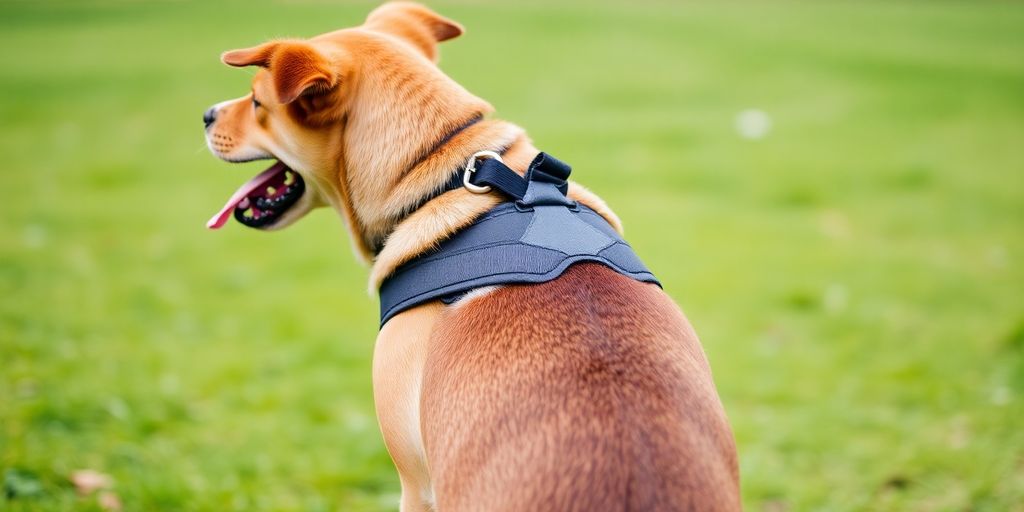
So, you’ve picked out a harness that looks the part, but now comes the really important bit: making sure it fits your dog just right. Honestly, this is probably the most overlooked step, but it makes a massive difference to your dog’s comfort and how well the harness actually works. A harness that’s too loose can slip around, potentially causing chafing or even allowing your dog to wriggle out of it – not ideal! On the flip side, one that’s too tight can be really uncomfortable, restricting movement and just generally making walks a bit of a chore for your furry friend.
Why a Snug Fit Matters
Think of it like wearing a backpack that’s either too big or too small. It’s just not going to feel right, is it? For dogs, a snug fit means the harness stays put, distributing pressure evenly if they pull a bit, and not rubbing them the wrong way. It also means you have better control without causing any discomfort. A well-fitting harness is key to happy, safe walks. It allows them to move freely, whether they’re trotting along or sniffing out interesting smells, without any awkward pinching or pulling.
Adjusting Your Dog’s Harness for Comfort
Most decent harnesses come with a few adjustable straps, usually around the neck and the chest girth. This is where you get to fine-tune the fit. Here’s a quick rundown on how to get it spot on:
- Measure Up First: Before you even start adjusting, make sure you’ve got your dog’s measurements. You’ll typically need their chest circumference (around the widest part, just behind the front legs) and sometimes their back length. You can find out more about how to measure your dog on manufacturer sites.
- Loosen Off: Start by loosening all the straps so you can easily get the harness over your dog’s head or have them step into it.
- Position Correctly: Make sure the harness is sitting nicely on their back, with the chest strap sitting comfortably against their chest, not too high up towards their neck or too low.
- Tighten Gradually: Now, start tightening the straps, one by one. You want it snug enough that you can’t easily pull it over their head, but you should still be able to comfortably slide two fingers between the harness and your dog’s body. This is your golden rule for a good fit.
- Check for Rubbing: Give your dog a little walk around the house. Watch out for any areas where the harness might be rubbing, especially around the legs or armpits. Adjust any straps that seem to be causing irritation.
- Re-check Regularly: Dogs can change shape, especially if they gain or lose weight, or even just due to their coat getting thicker in winter. It’s a good idea to give the harness fit a quick check every so often.
Getting the fit right might take a little patience, especially the first time. Don’t be afraid to fiddle with the straps until it feels just right. Your dog will thank you for it with more comfortable adventures together.
Making The Most Of Your Dog Harness
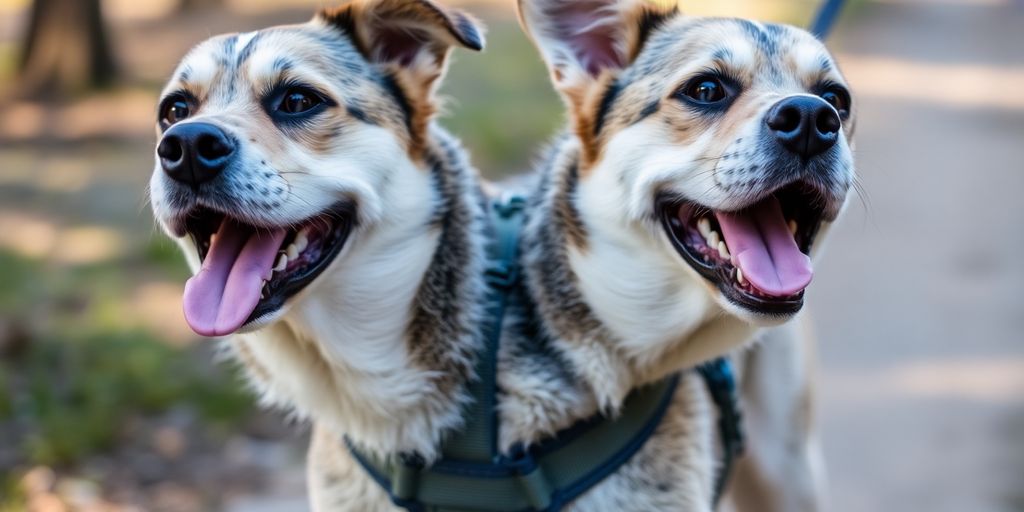
So, you’ve picked out the perfect harness for your dog, which is brilliant! But what’s next? It’s not just about having the gear; it’s about making sure it works well for you and your furry mate. Let’s chat about how to get the most out of that new bit of kit.
Beyond Functionality: Style and Durability
While we all want our dogs to be safe and comfortable, there’s no reason why their harness can’t look good too. Think about your dog’s personality – are they a bit of a fashionista, or more of a rugged adventurer? There are loads of harnesses out there with different colours, patterns, and even reflective bits for those evening strolls. But remember, looks aren’t everything. You want something that’s built to last. Check out the stitching, the quality of the clips, and the fabric itself. A well-made harness will stand up to daily wear and tear, saving you money in the long run and keeping your dog secure.
Reading Reviews and Considering Materials
Before you even get to the checkout, it’s a really good idea to see what other dog owners are saying. Websites and online shops are full of reviews, and they can be super helpful. Look for comments from people who have dogs with similar temperaments or breeds to yours. Did the harness hold up for their puller? Did it chafe their long-haired dog? These little insights can save you a lot of hassle.
When you’re looking at harnesses, pay attention to what they’re made of. You’ll find everything from sturdy nylon to softer, padded options. For dogs that might get a bit warm or have sensitive skin, a mesh vest style can be a lifesaver. It’s breathable and often has fewer straps that could rub.
Here’s a quick rundown of materials and what they’re good for:
- Nylon: Generally tough and durable, good for most dogs.
- Mesh: Lightweight and breathable, great for warmer weather or dogs prone to overheating.
- Neoprene Padding: Adds extra comfort, especially around the chest and under the arms, reducing chafing.
- Reflective Strips: Boost visibility during low-light conditions, a real safety plus.
Choosing the right harness is a big step, but it’s also about how you use it. Make sure it’s adjusted correctly every time, and always keep an eye out for any signs of rubbing or discomfort. A happy dog is a comfortable dog, and a comfortable dog makes for much more enjoyable walks for everyone involved.
So, What’s the Verdict?
Right then, choosing the right harness for your dog might seem like a bit of a faff at first, but honestly, it’s worth the effort. Getting the fit just right means your dog will be comfy, safe, and you’ll have a much more pleasant time on your walks. Whether you’ve got a puller, an escape artist, or just a happy-go-lucky pup, there’s a harness out there that’ll do the job. Have a good look at your dog, think about how you walk together, and don’t be afraid to try a few different styles. A well-chosen harness is a win-win for everyone involved, really.
Frequently Asked Questions
Why does the fit of a dog harness matter so much?
It’s really important that a harness fits snugly. If it’s too loose, your dog might be able to wriggle out of it, which isn’t safe. On the other hand, if it’s too tight, it could be uncomfortable or even rub your dog’s skin, especially during longer walks. You should be able to comfortably slip two fingers between the harness and your dog’s body to check if it’s just right.
What’s the best type of harness for a dog that pulls or tries to escape?
For dogs that tend to pull a lot, a harness with a clip on the front, near their chest, is often recommended. This type of harness gently redirects them when they pull forward, helping to teach them to walk more calmly. If your dog is a real escape artist, look for harnesses with two leash attachment points, or ones that go over their head, as these can be harder to slip out of.
How do I choose the right harness for my specific dog?
When you’re picking out a harness, think about your dog’s size and shape. A harness designed for a tiny terrier will be very different from one made for a big Labrador. Also, consider what your dog does on walks. If they have breathing issues or a delicate neck, a harness that spreads the pressure across their chest and shoulders is much better than a collar. Always check what other dog owners say in reviews, especially those with dogs similar to yours, and look for sturdy, comfy materials.
