

Picking the right crates for dogs can feel a bit overwhelming, especially with so many options out there. Some dogs are escape artists, others just want a quiet spot to nap, and then there’s the whole business of fitting the crate into your home and routine. This guide is here to help break things down, so anyone can find a crate that works for both them and their four-legged pal.
Key Takeaways
- Crate material should match your dog’s behaviour—metal for chewers, plastic or soft-sided for calm dogs, and wooden for a stylish touch at home.
- Safety comes first: check for secure latches, no sharp edges, and make sure your dog has enough room to move but not so much they can get into trouble.
- Think about your lifestyle too—easy cleaning, portability, and space-saving designs can make a big difference day-to-day.
Understanding the Different Types of Crates for Dogs
Choosing a crate isn’t just about grabbing the first one you see at the shop. There are plenty out there, each with their own strengths—and sometimes a few faults. Your dog’s personality and your everyday routine will shape what works best for you both. Let’s take a good look at what’s out there.
Metal, Plastic, Soft-Sided and Wooden Crates Explained
When it comes to crate material, there’s a fair bit to think about:
- Metal/Wire Crates: These are the go-to for people with sturdy chewers or escape artists at home. They offer plenty of ventilation and you can usually fold them down for travel or storage. They’re easy to clean, but if your dog’s a gentle soul, they might feel a bit exposed.
- Plastic Crates: Great for dogs who prefer a cosier den or who travel often. They’re less drafty, usually airline-approved, and come with a solid, easy-to-clean base. Just keep in mind, some can be a bit fiddly to assemble.
- Soft-Sided Crates: Perfect for well-behaved, calm pets or quick trips outdoors. These are super lightweight but won’t hold up to chewers or determined dogs.
- Wooden Crates: If you’re after something that looks good in your living room, wooden models blend in nicely. They suit settled dogs but don’t always stand up to heavy use or a cheeky gnaw.
Here’s a quick table to help you compare:
| Crate Type | Best For | Main Strength | Main Weakness |
|---|---|---|---|
| Metal/Wire | Chewers, strong dogs | Durable, airy | Heavy, exposed feel |
| Plastic | Travelling, nervous dogs | Cosy, portable | Less ventilation |
| Soft-Sided | Calm dogs, quick use | Light, easy to move | Not chew proof |
| Wooden | Laid-back, style lovers | Stylish, blends in | Not good for chewers |
Tip: Before picking a crate, think about cleaning, portability, and how your dog reacts to being confined. It’s no fun lugging around a crate that’s too big for your hallway, or giving your Houdini hound a cheap zip-up to chew through.
Which Crate Material Matches Your Dog’s Personality?
Every dog’s got a different vibe. Matching a crate to your pal’s quirks can make a big difference in how they settle.
- Strong-willed and chewers: Metal/wire or tough plastic crates usually win here (so does finding indestructible dog toys for these clever chewers – see select dog toys).
- Travel addicts or anxious pups: Plastic crates are a safe bet. They create a shelter-like feel and are usually accepted on most flights.
- Nap-first personalities: Soft-sided or even wooden crates can keep laid-back dogs happy, as long as they’re not likely to try escaping.
- Fashion-conscious owners (or maybe just picky about home style): Wooden crates, especially if your dog is the chilled-out type.
Remember, dogs aren’t all the same. Sometimes it’s trial and error. The right crate is the one that fits your dog’s needs—and makes you both feel at home.
Safety and Comfort: Non-Negotiables for Choosing Crates for Dogs
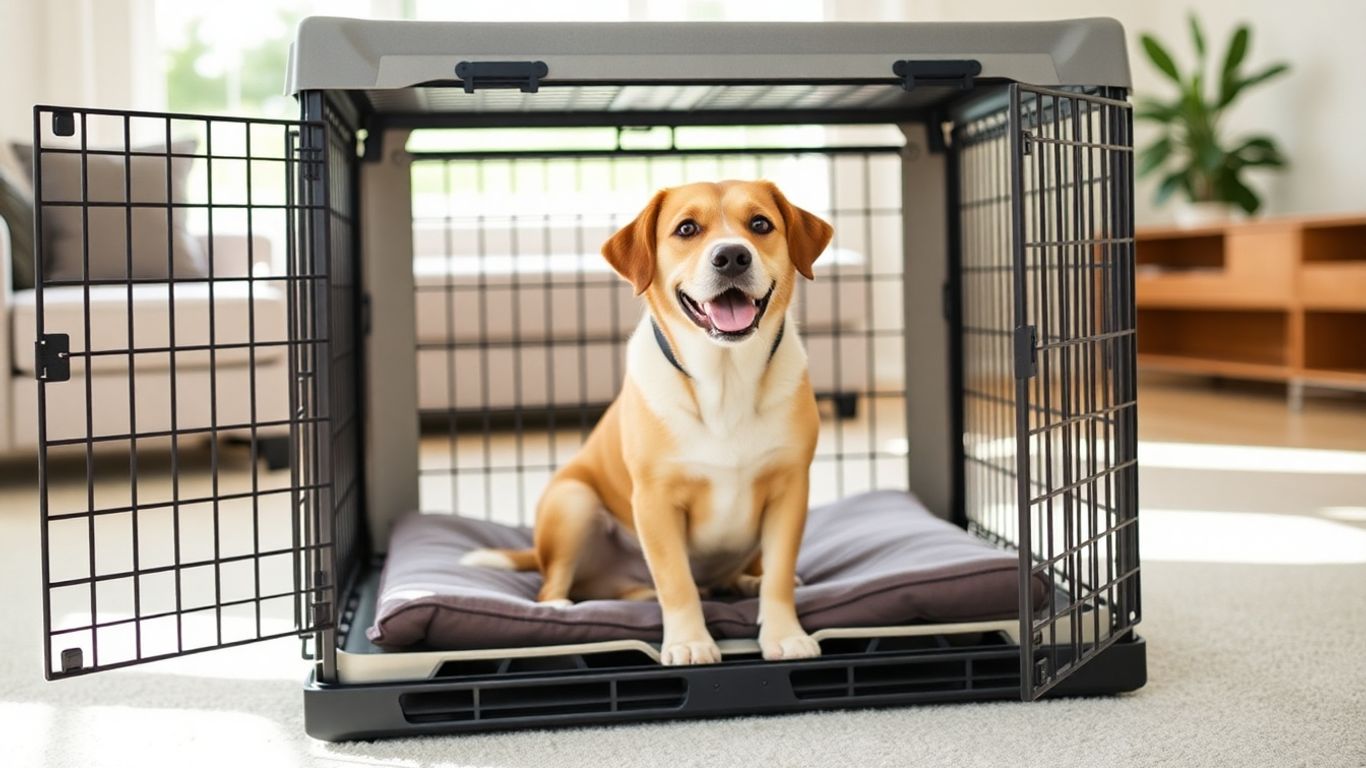
Choosing a crate isn’t just about picking the right look or finding a good spot in your living room. If your dog isn’t comfortable and safe in their crate, it kind of misses the point, doesn’t it? So, it’s good to know what to keep an eye out for, before you let your pup spend any time inside.
Essential Safety Features to Look Out For
A few important bits matter here, and skipping any of them could mean headaches down the road:
- Latch Security: A decent crate should have solid, simple-to-use latches. Nothing fiddly or easy for a clever dog to open during the night.
- No Sharp Bits: Inspect for sharp edges or corners, exposed wires, or any gaps paws or noses could get stuck in.
- Sturdy Build: Flimsy plastic can snap, and wobbly wire can pinch. Go for reinforced materials – especially for escape artists.
- Good Ventilation: Breathable crates keep things airy and cut down on stress for dogs (especially those with thicker coats or flat faces).
- Crash-Tested for Travel: If you plan on driving with your dog, look for crates that are crash-tested. Some crates are built tougher specifically for travel safety.
Even small details like rounded corners or covered joints can prevent accidents. That peace of mind when you leave the house? It comes from knowing nothing will catch, snag, or break while you’re away.
Getting the Right Size for Happy, Relaxed Dogs
Dogs need enough space to move freely, not just squeeze in.
- Measure your dog from their nose to the base of their tail. Add about 15cm for wiggle room.
- Your dog should be able to stand up, turn round, and stretch out comfortably without crouching.
- For puppies, look for crates with divider panels so you can adjust the space as they grow, without needing to buy a new one every few months.
- If in doubt? Bigger is usually better, as long as your dog doesn’t get anxious in too much empty space.
Here’s a quick guide for sizing:
| Dog Weight | Suggested Crate Length |
|---|---|
| Up to 5kg | 45-55cm |
| 5–15kg | 60–75cm |
| 15–30kg | 75–90cm |
| 30kg and up | 100cm+ |
Comfort isn’t something you want to compromise on. Pop in a decent crate mat or blanket so their joints aren’t on hard plastic or metal. If your dog loves a bit of cosiness, you can drape a towel over part of the crate for a den-like feel—just keep airflow in mind.
At the end of the day, a crate should always feel like a safe, relaxing hideaway for your dog—never a punishment or a boring cage. Picking the right one means your dog feels right at home, and you get that little sigh of relief, knowing they’re safe when you’re not in the room.
Top Tips for Finding a Crate That Fits Your Lifestyle
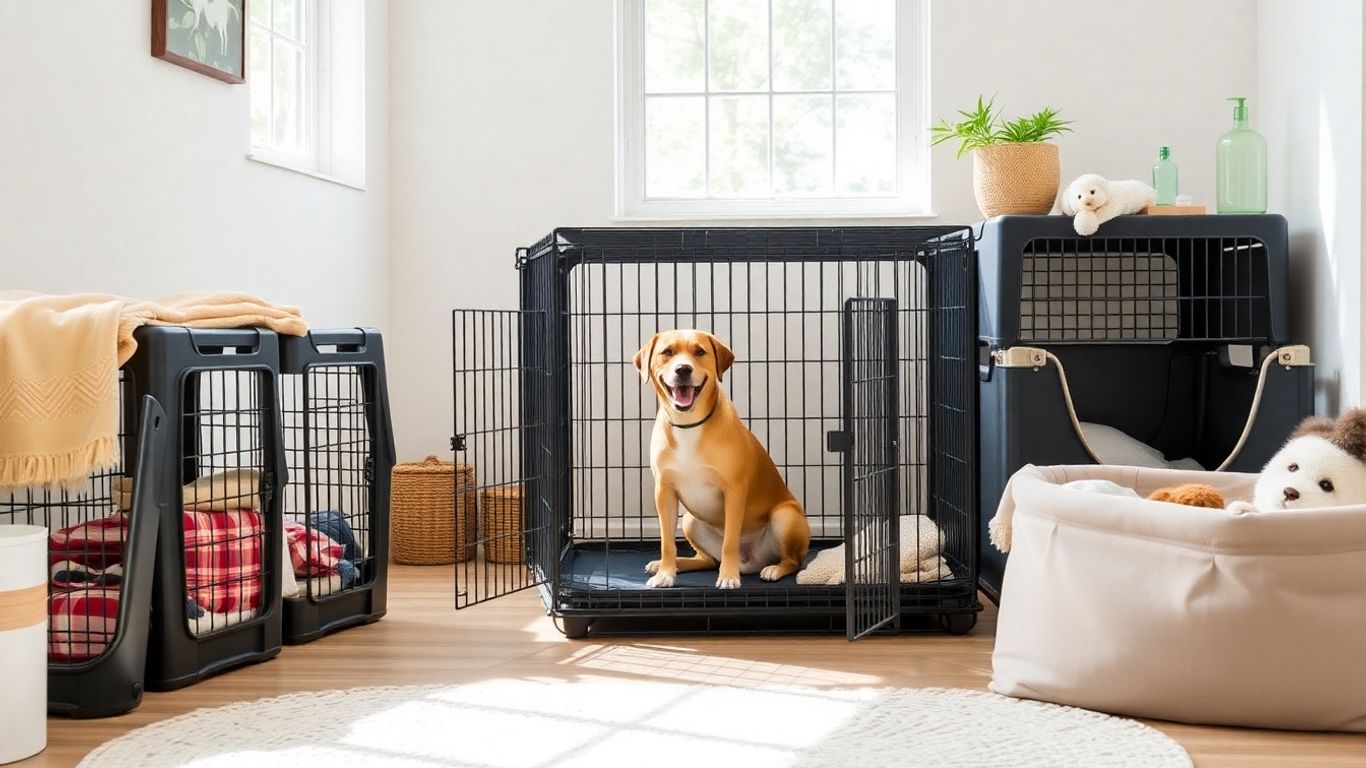
Picking a crate isn’t just about your dog—your lifestyle matters too. Want something you can carry up to your third-floor flat or squeeze into your boot for weekends away? Or maybe cleaning up after a mucky dog is your top concern? Let’s get into the details that make life simpler, both for you and your pup.
Cleaning, Portability and Storage—Making Your Life Easier
Nobody wants a crate that’s a nightmare to scrub or a pain to move. Think about what will make your day-to-day life smoother before clicking “add to cart.”
- Cleaning: Look for crates with removable trays or wipeable surfaces. Life gets messy—especially with puppies and older dogs—so cleaning shouldn’t make you groan every time.
- Portability: Folding crates are brilliant if space is tight or you’re often travelling. Some have handles or duffel bags, which is a lifesaver on public transport or walks to the car.
- Storage: Collapsible options are seriously handy in small homes. Pop them under the bed or in a cupboard when not in use. If your crate’s staying put, consider one that doubles as furniture.
Here’s a quick look at how different crate types stack up on cleaning, portability, and storage:
| Crate Type | Cleaning Ease | Portability | Storage |
|---|---|---|---|
| Metal/Wire | Removable tray | Collapsible, handles | Folds flat |
| Plastic | Wipe down | Built-in handle | Stackable/top-load |
| Soft-sided | Machine washable | Ultra-light, foldable | Packs flat |
| Wooden | Wipe down | Heavy, not portable | Bulky, furniture use |
- Check your own lifting limits—some crates are heavy even before your dog hops in.
- If you move flats or travel often, opt for something lightweight.
- Don’t forget to measure your boot (and doorways!) before choosing a bulkier model.
Choosing the right crate can save you endless hassle down the road. Plan ahead a bit, and you’ll thank yourself every single time you clean, move, or store your crate.
Wrapping Up: Finding the Right Crate for Your Dog
So, there you have it. Picking out a dog crate isn’t just about grabbing the first one you see at the shop or online. It’s about thinking through what your dog actually needs—how they act, how big they are, and where you’ll be using the crate. Some pups are escape artists, others just want a cosy spot to nap. There’s a crate out there for every dog, whether you need something sturdy for a chewer or a soft-sided one for a gentle soul. And don’t forget about the practical stuff, like how easy it is to clean or carry around. At the end of the day, the best crate is the one your dog feels safe and comfy in—and that makes your life a bit easier too. Happy crate hunting!
Frequently Asked Questions
How do you know which crate size is best for your dog?
The right crate size lets your dog stand up, turn around and lie down without hitting the sides. To get the best fit, measure your dog from the tip of their nose to the base of their tail, then add a few extra inches. If the crate is too big, your dog might not feel as safe or could make a mess at one end. Some crates have divider panels, which are great for puppies who will grow.
Are certain crate materials better for some dogs than others?
Yes, it depends on your dog’s personality. For strong chewers or escape artists, metal crates are a good pick because they’re tough. Calm dogs who just want a cozy spot might like soft-sided crates, which are lighter and comfier. Wooden crates look nice in your home but are best for dogs that don’t chew much. Plastic crates are handy for travel and work well for dogs who like a den-like space.
How do you keep a dog crate clean and easy to use?
Choose a crate with a removable tray or washable base so you can clean up spills or accidents quickly. Soft-sided crates often have covers you can toss in the washing machine. For metal or plastic crates, just wipe them down or hose them off. If you want to move the crate around, look for one that folds up or has handles, making it simple to carry or store when you don’t need it.
