

Bringing home a Burmese blue kitten is an exciting time, but it can also feel a bit overwhelming. These little cats are known for their playful personalities and striking looks, so you’ll want to make sure you’re well prepared. From setting up your home to understanding their quirks, there’s a lot to think about. Here’s what you need to know before your new furry friend arrives.
Key Takeaways
- Set up your home before your Burmese blue kitten arrives, including kitten-proofing and gathering supplies.
- Burmese blue kittens are very social and hate being left alone for long periods.
- Feed your kitten a proper, age-appropriate diet and keep fresh water available at all times.
- Regular grooming and vet visits will help keep your kitten healthy and happy.
- Choose a reputable breeder to avoid health or temperament issues down the line.
Getting Your Home Ready for a Burmese Blue Kitten
Bringing a Burmese Blue kitten home is pretty exciting, but a bit nerve-wracking too—especially if you haven’t shared your space with a cat before. The thing about these little blue floofs is they’re endlessly curious and quick on their paws, so you’ll want to get your place ready before they show up. Think of it like baby-proofing, but with more tail flicks and fewer nappies.
Kitten-Proofing Like a Pro
When you’re prepping for a kitten’s arrival, it’s the sneaky dangers that catch folks off guard. Besides the obvious stuff (don’t leave biscuit tins open!), there are some easy steps to make your flat or house safer:
- Keep toilet lids closed, secure any household cleaning sprays, and put medicine out of reach (yes, kittens climb—everywhere!).Keep toilet seats down, secure household chemicals, and protect furniture
- Tape down loose wires and unplug chargers when not in use. Kittens really love a chew, and it’s not good news for your phone or them.
- Remove breakables from shelves and windowsills—they have a knack for knocking things off.
- Cover small gaps behind appliances where pudgy kittens can squeeze into but not out.
You can’t predict every kitten antic, but doing a "crawl around" at their eye level helps you spot most of the dangers. Try it once—promise it’s not as weird as it sounds.
Essential Kitten Supplies to Have On Hand
Shopping for a kitten is actually part of the fun, but if you’ve ever forgotten just one thing, you’ll know it can be a faff. Here’s what you actually need ready before your Burmese Blue steps through the door:
- Litter tray (plus scoop) and a bag of kitten-friendly litter
- Two bowls—one for drinking water, one for food. Stainless steel or ceramic is best.
- Cosy cat bed (though plan on them sleeping in some odd places anyway)
- Scratching post or mat—your sofa will thank you
- Toys (think: jingly balls, feather teasers, and one you can hide treats inside)
- Gentle kitten shampoo (optional) and a soft brush
And don’t forget a sturdy carrier for trips to the vet or, let’s be honest, any escape attempts during bath time.
Creating a Cosy Space for Your New Arrival
First days are a bit overwhelming for kittens—even confident Burmese Blues. Setting aside a small room or corner just for them helps them settle in quicker. Pop their litter tray, bed, food and water in here, along with a couple of favourite toys. Keep this area quiet for the first day or two so they can explore at their own pace.
A few final tips:
- Avoid too many visitors or loud noises at the start
- Give your kitten a cuddly blanket with your scent—it’s a good comfort tool
- Sit on the floor and let them approach you for fuss and play
Once they’re looking more confident, you can introduce them to other rooms and parts of the house bit by bit. Before you know it, they’ll be running the place.
The Quirky Personality of the Burmese Blue Kitten
Loving Lap Cats and Cuddle Buddies
Burmese Blue kittens have no interest in being aloof—they’re serious cuddle addicts who see your lap as their personal throne. They tend to follow their families around the house, always looking for a warm spot on a knee or a chest for a nap. Some owners joke that owning a Burmese Blue means never sitting alone again. It’s common for these kittens to wiggle into bed with you at night, purr in your ear, and settle in as close as possible. Don’t be surprised if your movements are constantly monitored—if you’re there, they want in.
Perks of Burmese Blue cuddliness:
- Always a companion for TV marathons
- Natural stress-buster and comforter on tough days
- Great for households where someone’s always about
If you’re after a cat that barely notices you exist, the Burmese Blue is absolutely not it. They want to be in the centre of your world—and, truth be told, once you feel their fur and hear that rumble of a purr, you’ll want it too.
Why Burmese Blues Hate Being Alone
The biggest thing with Burmese Blues is that they truly hate being left by themselves for long stretches. It’s in their nature—they want people or at least another pet around. Leaving them alone for a full working day can lead to noisy protests, sulky behaviour, and even a bit of naughtiness when boredom takes hold. They’re at their happiest when the house is busy and there’s always something happening.
Ways to keep your Burmese Blue happy when you’re out:
- Consider another cat or a very patient dog as a companion
- Leave on a radio or TV for background noise
- Puzzle feeders and rotating toys keep boredom at bay
Playful Mischief Makers: What to Expect
Burmese Blues might look soft and sophisticated, but they’re absolutely bursting with mischief. Their kitten energy stays with them long into adulthood—expect daring leaps, clever toy thefts, and a knack for popping open cupboards. Puzzle toys and daily play sessions are needed, or you’ll find them making their own fun (usually involving something you didn’t want shredded).
Here’s a quick at-a-glance look at their favourite mischief activities:
| Favourite Burmese Blue Antics | Mischief Level (1-5) |
|---|---|
| Unrolling entire loo rolls | 4 |
| Ambushing your toes under the duvet | 5 |
| Fishing bobbles from drawers | 3 |
| Pouncing on unsuspecting guests | 2 |
If you want a cat who’s never dull, a Burmese Blue will keep you laughing—and sometimes groaning—on a daily basis.
Burmese Blue Kitten Care Basics
So you’ve got a mischievous little ball of blue fluff taking over your home—now what? Burmese Blue kittens are easy to love but keeping them healthy and happy takes a bit of attention. Here’s how you stay on top of the basics:
Feeding Your Kitten the Right Way
Feeding a Burmese Blue kitten is a balancing act: they’re active but prone to pile on weight if you’re not careful. Give them kitten-specific, high quality dry or wet food, measured out so they don’t overeat. Always pop down fresh water.
Simple Meal Guide
| Age | Meal Frequency | What to Feed |
|---|---|---|
| 8–12 weeks | 4 a day | Small, wet or moistened kitten formula/feed |
| 3–6 months | 3 a day | Wet/dry kitten food, stick to brand if possible |
| 6+ months | 2–3 a day | Gradually introduce adult food over a few weeks |
- Treats shouldn’t make up more than 10% of their daily food.
- Human food is a no-go—dairy, onions, and chocolate especially!
- Keep an eye on their weight as Burmese Blues can get chunky faster than you’d think.
If your kitten’s not eating or acting off, it’s worth a quick call to your vet—better safe than sorry with these little troublemakers.
Simple Grooming for a Shiny Blue Coat
Keeping their gorgeous blue fur in tip-top shape isn’t hard. Burmese Blue kittens have short, satiny coats, so:
- Brush once or twice a week with a soft rubber brush—more if they’re shedding.
- Check for fleas as you brush—these cats are so curious and can pick up hitchhikers.
- Wipe eyes gently if you notice any goop (use a damp cotton ball per eye).
Monthly nail trims are a must, or you’ll have snagged furniture and accidental scratches. Just nip the ends—don’t go too short!
Keeping Those Teeth and Nails Healthy
Neglect teeth and you’ll pay for it later (vet bills aren’t cheap). Get them used to teeth cleaning early:
- Gently brush their teeth once or twice a week with a cat-safe toothbrush and paste.
- Dental treats are helpful, but don’t use them as a substitute for brushing.
Those little claws grow fast. Burmese kittens are relentless scratchers, so:
- Set up scratching posts as soon as they move in (a few in different rooms works wonders).
- Inspect nail length weekly and clip as needed—usually every 3-4 weeks.
- Never declaw—it’s painful and totally unnecessary.
Start these routines early on. It’ll make things easier when your Burmese Blue becomes a strong-willed adult who’s not shy about telling you off!
Understanding the Unique Look of the Burmese Blue Kitten
You’ll spot a Burmese Blue kitten from a mile off. Everything about these little cats is a bit unexpected: they’re sturdy but soft, striking but easy-going, and have a coat so plush you just want to stroke it all day. Let’s break down what makes them stand out, from that silvery-blue fur to their round faces that seem to always be up to something.
That Famous Blue Coat and Golden Eyes
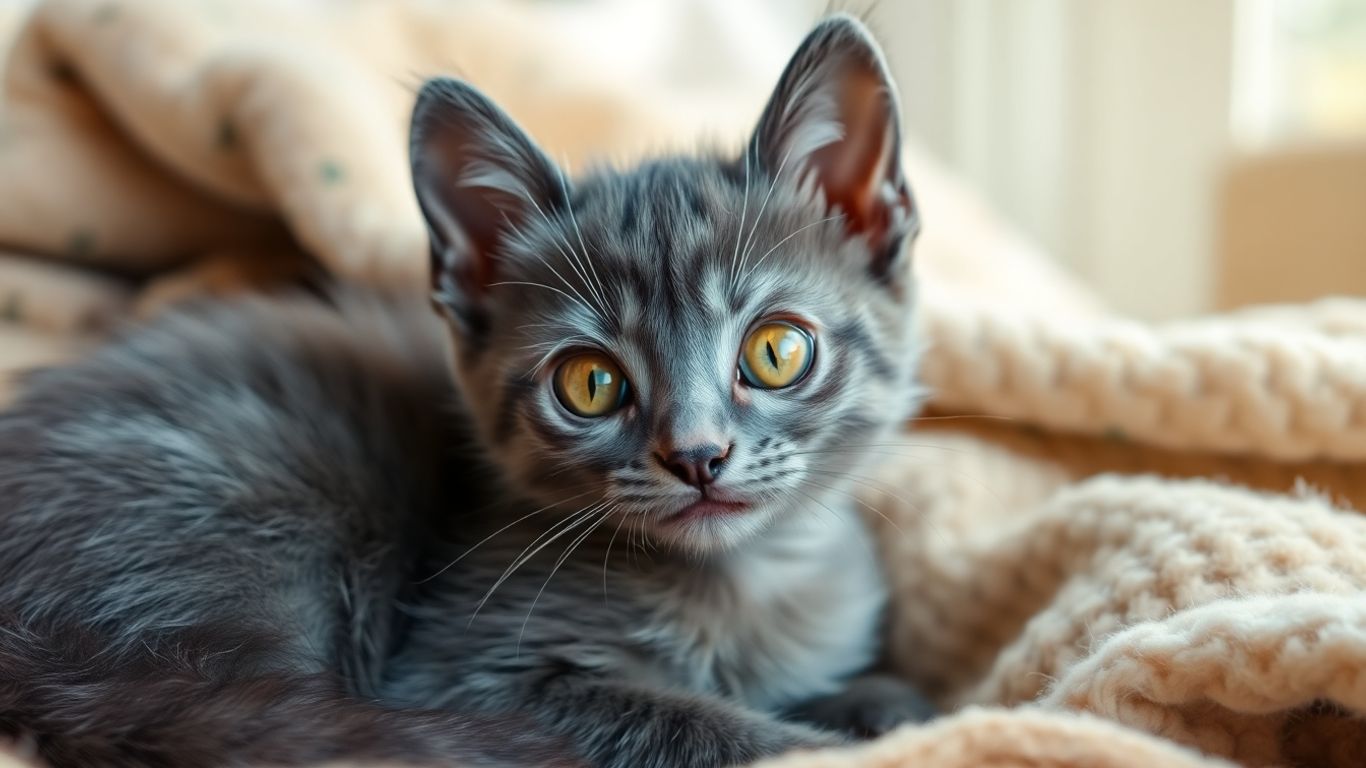
The coat is usually the first thing people notice. Burmese Blues have a short, satiny fur that feels super smooth and hugs the body closely.
- The blue shade isn’t actually bright or flashy—it’s more of a smoky, medium-grey with a soft sheen, almost silver under the light.
- Their fur is even in colour all over, with maybe a tiny bit of shading on the belly but never any stripes or tabby marks.
- Those big, round eyes? They’re like molten gold—always expressive, wide-set and bright, giving the kitten a permanently curious look.
The real showstopper is how these golden eyes set off that shimmering blue coat—honestly, it’s a knockout combination.
There’s something about a Burmese Blue’s gaze. Wide-eyed and cheeky, it’s like they know they’re the centre of attention (and they kind of are).
The ‘Brick in a Velvet Glove’ Body Type
For such a sleek-looking cat, Burmese Blues are surprisingly hefty when you pick one up. This is what people mean when they talk about the ‘brick in a velvet glove.’
- Muscle-packed and solid under all that fluff—don’t be surprised if your kitten feels heavier than you expect.
- Short, strong legs and rounded paws are typical. They’re sprinters, not climbers.
- Faces are round with full cheeks and a snub nose. Ears are medium, sitting upright and a bit forward as if they’re always alert.
Here’s a quick table to sum up what you can expect:
| Feature | What to Look For |
|---|---|
| Coat Colour | Medium blue, all over |
| Eye Colour | Yellow to deep gold |
| Build | Compact, muscular |
| Head Shape | Round, broad cheeks |
| Weight (adult) | 3-5kg, feels hefty for size |
How Blue Burmese Differ From Other Burmese
Burmese cats come in a few different shades—sable (deep brown), champagne (pale beige), platinum (silvery grey), and of course, blue. So, what sets the blue ones apart?
- The blue is a diluted form of the original sable gene—think faded old jeans instead of a new black pair!
- Personality-wise, they’re the same chatty, loyal, snuggle-lovers you’d expect from any Burmese, but you might find their blue coat makes them look more mysterious.
- Some people say blue Burmese have a slightly softer facial expression and their golden eyes seem even brighter thanks to the contrast.
Burmese Blues aren’t the only cats in the world with these features—there are others, like Oriental Shorthairs, with their own wild range of coat colours and personalities. But one cuddle, and you’ll know: nothing beats the feel of a blue Burmese in your arms.
Choosing a Responsible Breeder for Your Burmese Blue Kitten
Bringing home a Burmese Blue kitten is exciting, but finding the right breeder is absolutely key. A careful, patient search helps you avoid problems down the road—think vet bills or heartbreaking surprises. So, how do you spot the genuine experts versus those in it for a quick sale? Let’s break it down.
What to Look for in a Great Breeder
Not all breeders are created equal. Here’s how you can tell the good from the not-so-good:
- Breed focus: Reputable breeders usually specialise in only one or two breeds, not a long list. If someone is offering four or more breeds, that’s usually a bad sign.
- Health knowledge: They should know about the genetic conditions specific to Burmese cats—such as Hypertrophic Cardiomyopathy—and be able to show health test results for both parents.
- Clean, happy setup: Pay attention on your visit—look for clean litter trays, playful kittens, and a mum who seems relaxed rather than stressed.
- Documentation: Paperwork matters. They’ll provide a pedigree certificate, vaccination records, and details of worming. Be wary of anyone who tells you paperwork will come later.
- Membership in associations: The best breeders are signed up with organisations like the GCCF.
A decent breeder always wants to know about you too. If they’re not asking about your home or why you want a Burmese, alarm bells should ring. After all, it’s about placing kittens in safe, loving homes.
Spotting Red Flags and Potential Scams
It’s easy to get swept up by those adorable kitten photos online, but stay sharp. Warning signs include:
- The breeder gets pushy and wants full payment before you’ve visited.
- There’s no sign of mum at the property, or the place feels more like a warehouse than a home.
- They won’t answer questions about health or temperament, or make strange excuses about paperwork.
- Kittens look unwell—rundown coats, runny eyes, a bit too thin.
Breeder Checklist
| Good Sign | Bad Sign |
|---|---|
| Mother cat is present | Won’t let you see the mum |
| Clean environment | Dirty or overcrowded living areas |
| Medical records provided | No evidence of health checks |
| Asks about your lifestyle | Rushes you to buy without questions |
Questions to Ask Before Reserving Your Kitten
Don’t hold back on questions. Here are some to get you started:
- Have both parents been health tested for genetic conditions?
- How are the kittens socialised? Are they used to household noise?
- Do you provide a health guarantee?
- Will I get pedigree and vaccination certificates before I take my kitten home?
- Can I meet the kittens and their mum?
Knowing the body type and build of Burmese cats—like their muscular, compact build—can help confirm you’re looking at the real deal, not a crossbreed.
Going through these steps might feel like a hassle, but trust me, it’s worth the effort. You want a happy, healthy kitten who has had the best possible start. And nothing beats the feeling when you finally bring them home, safe in the knowledge you chose well.
Health Matters for Burmese Blue Kittens
Bringing home a Burmese Blue kitten is honestly exciting, but let’s chat about something that can sneak up on anyone: their health. Burmese Blues might look hardy, but they’ve got a few quirks in the health department. Knowing what to watch for helps your kitten thrive and save you panicked dashes to the vet.
Common Genetic Health Issues to Watch
Burmese cats can sometimes win the unlucky lottery genetically, so here’s what you might find popping up:
- Heart Problems: Endocardial fibroelastosis and Hypertrophic Cardiomyopathy (HCM) both affect the heart. Quick breathing, tiredness, or a loss of appetite aren’t just picky eating or lazy play—they can be real warning signs.
- Blood Clots: Feline aortic thromboembolism may sound complex, but if your kitten suddenly can’t move its back legs, it’s a vet emergency.
- Eye Trouble: Glaucoma, eyelid agenesis, and corneal sequestration. Watch for redness, weepy eyes, or cloudy patches.
- Diabetes: Burmese cats, like some other breeds, are prone to this, especially if they become couch potatoes or pack on extra weight.
Here’s a quick table to keep track:
| Condition | Signs to Watch For | What To Do |
|---|---|---|
| Hypertrophic Cardiomyopathy | Quick breathing, tiredness, appetite loss | Vet check-ups often |
| Eye Conditions | Watery/red eyes, bluish cornea | Book an eye screening |
| Feline Diabetes | Thirsty all the time, weight loss | Chat to the vet, adjust diet |
| Blood Clots | Sudden leg paralysis | EMERGENCY – straight to vet! |
If you spot any sudden changes—be it in movement, eating, or eye appearance—it’s always better to call the vet than lose sleep hoping it’ll sort itself out.
The Importance of Regular Vet Visits
You really can’t skip these, even if your kitten seems full of beans.
- Book vet appointments every six months when they’re young. Vets can spot sneaky issues early.
- Discuss routine bloodwork, especially if you notice changes—Burmese Blues can be great at masking pain.
- Early vaccines, boosters, and parasite treatments will keep nasty bugs at bay, and help them settle into their new safe and loving home.
Keeping Your Kitten Happy and Active
Prevention is a simple mix of proper diet, play, and regular health checks. Don’t go overboard with treats (they add up quickly!) and aim for daily play sessions (not just waving a toy once and calling it done).
Some easy tips:
- Interactive play helps prevent weight gain and boredom.
- Use puzzle feeders for a cheeky brain workout during mealtime.
- Provide lots of spots for climbing and scratching—they need to burn off their kitten energy.
Raising a Burmese Blue is a mix of attention and a bit of detective work. Keep up with these basics and your new little buddy will have the best shot at a happy, healthy life.
Wrapping Up: Life With a Burmese Blue Kitten
So, that’s the lowdown on bringing home a Burmese Blue kitten. If you’re about to welcome one, get ready for a whirlwind of cuddles, cheeky antics, and a cat who thinks they’re the centre of your universe (because, honestly, they are). These little characters will keep you on your toes, but they’ll also fill your days with laughter and warmth. Sure, there might be a few scratched sofas and the odd midnight zoomie, but that’s all part of the fun. With a bit of patience, some good food, and plenty of love, your Burmese Blue will settle in and become a proper member of the family in no time. Enjoy every minute – they grow up faster than you’d think!
Frequently Asked Questions
What should I feed my Burmese Blue kitten?
Feed your Burmese Blue kitten a high-quality kitten food that is right for their age. Make sure to measure out their food so they don’t eat too much. Treats should only be a small part of their diet, and always provide fresh water.
How often do Burmese Blue kittens need grooming?
Burmese Blue kittens have short, soft coats that are easy to care for. Brush them once in a while to keep their fur shiny. You should also trim their nails about once a month and give them a scratching post to help keep their claws healthy.
Are Burmese Blue kittens friendly with children and other pets?
Yes, Burmese Blue kittens are known for being loving and social. They enjoy spending time with people and usually get along well with children and other pets. They don’t like being alone for long periods, so they are happiest with company.
Do Burmese Blue kittens have any common health problems?
Some Burmese Blue kittens can be more likely to have heart problems, like Hypertrophic Cardiomyopathy. Regular vet visits are important to check their health and catch any issues early. A healthy diet and lots of play can help keep them well.
What makes Burmese Blue kittens different from other Burmese cats?
Burmese Blue kittens have a beautiful blue-grey coat and bright golden eyes. They are just as sturdy and muscular as other Burmese cats, but their colour sets them apart. Their playful and loving nature is the same as other Burmese cats.
How do I find a trustworthy breeder for a Burmese Blue kitten?
Look for breeders who are part of well-known cat groups and who can show you the kitten’s family history. The breeder should let you meet the kitten’s mother and see where the kittens are raised. Be careful of anyone who asks for payment before you see the kitten or who can’t provide proper papers.
