

Thinking about switching your dog to a raw food diet? It’s a big change, and it’s natural to have questions. Many UK pet owners are exploring this way of feeding, looking for a more natural approach for their canine companions. This guide aims to break down what a raw food diet for dogs really means, explore the potential upsides, and help you figure out the practical side of making the switch.
Key Takeaways
- A raw food diet for dogs typically includes raw meat, bones, organs, and sometimes fruits and vegetables, aiming for a natural way of eating.
- Benefits often reported by owners include improved digestion, healthier skin and coats, and better dental health for their dogs.
- When starting a raw food diet for dogs, it’s important to ensure it’s nutritionally complete and balanced, ideally sourced from reputable suppliers, and to transition gradually.
Getting Started With A Raw Food Diet For Dogs
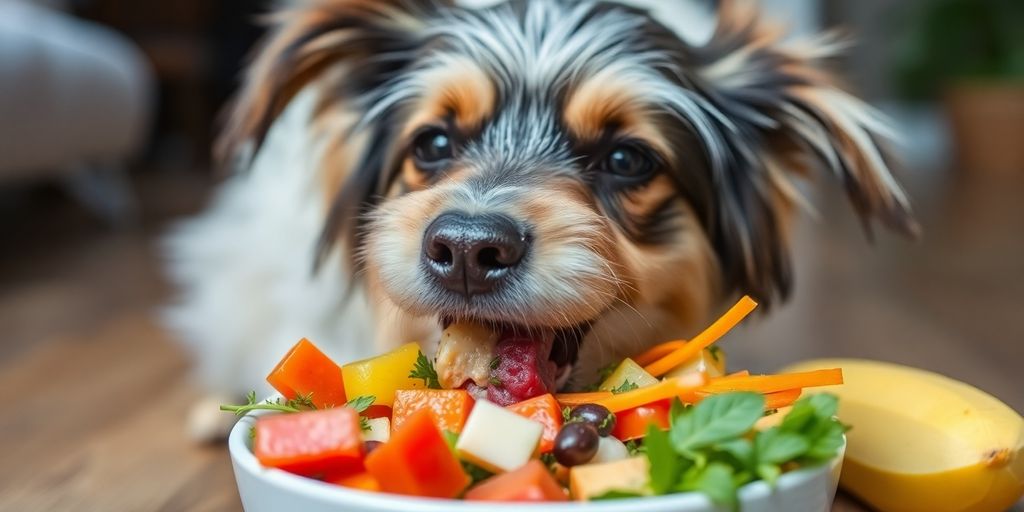
So, you’re thinking about switching your dog over to a raw food diet? It’s a big change, and it’s totally normal to feel a bit overwhelmed at first. Lots of people are curious about it, and for good reason. The idea is to feed your dog a diet that’s closer to what their ancestors would have eaten – think raw meat, bones, and maybe some bits of veg. It’s often called the BARF diet, which stands for Biologically Appropriate Raw Food, or sometimes Bones And Raw Food. It’s not just about chucking some raw chicken in a bowl, though. Getting it right means making sure your dog gets all the nutrients they need to stay healthy and happy.
What Exactly Is A Raw Food Diet For Dogs?
At its heart, a raw food diet for dogs is all about mimicking their natural eating habits. This means feeding them a mix of raw meats, edible bones, organs, and sometimes a bit of fruit and veg. It’s a far cry from the dry kibble or tinned food that’s been the norm for decades. The concept isn’t actually new; it’s been around for ages, but it’s really gained traction in recent years as more owners look for natural and wholesome options for their pets. You’ll find there are two main ways to go about it: commercial raw diets or preparing it yourself at home. Commercial options are usually frozen or fresh, pre-portioned meals that are already balanced for your dog. Making it yourself means you’re in control of every ingredient, but it requires a good understanding of canine nutrition to make sure you’re not missing anything vital.
Is A Raw Food Diet Safe And Healthy For Your Dog?
This is probably the biggest question on everyone’s mind, and it’s a fair one. When done correctly, a raw diet can be incredibly beneficial. However, there are a few things to keep in mind. The key is balance and hygiene. Feeding an unbalanced raw diet, like just giving bones without meat or organs, can lead to nutritional deficiencies, which isn’t good for your dog in the long run. It’s really important to source your food from reputable suppliers who understand canine nutrition and adhere to standards like those set by FEDIAF. This helps ensure your dog is getting everything they need. When it comes to safety, things like Salmonella or E. coli are often mentioned. While these bacteria can be present in raw meat, the risk can be managed with good hygiene practices, just like you’d use when handling raw meat for yourself. Washing your hands thoroughly after preparing your dog’s food and keeping surfaces clean is a must. Many owners find that starting with a complete, commercially prepared raw meal is the easiest way to begin, as it takes the guesswork out of balancing the diet. You can explore different raw dog food companies to see what options are available.
The Benefits Of A Raw Food Diet For Dogs
Switching your dog to a raw food diet can bring about some really noticeable positive changes. Many owners find their dogs have a much happier tummy, which often means less of those embarrassing windy moments and more consistent, easier-to-manage poos. It’s quite a transformation!
Improved Digestion And Gut Health
Dogs, like us, can sometimes struggle with their digestion. A raw diet, being closer to what nature intended, is often easier for them to process. This means less bloating and gas, and a generally more settled digestive system. Think of it as giving their insides a bit of a break and a chance to work more efficiently. It’s not uncommon for dogs with sensitive tummies to really perk up once they’re on a good raw food plan.
Better Skin, Coat, And Dental Health
This is where you might see some of the most striking improvements. The high-quality proteins and natural fats found in raw food can make a huge difference to your dog’s skin and coat. You might notice a shinier, softer coat and less of that dry, itchy skin that can bother so many dogs, especially as they get older. Plus, chewing on raw meaty bones is brilliant for their teeth. It’s a natural way to help keep their teeth clean, reducing plaque and tartar build-up, which is a common issue for many pets. It’s like a natural toothbrush for your dog!
Many owners report that their dogs seem to have more energy and a general sense of well-being when they switch to raw. It’s not just about looking good; it’s about feeling good from the inside out.
Feeding a raw diet that includes raw, meaty bones can provide your dog with a natural outlet for their chewing tendencies and may help with some anxiety issues. You can find out more about choosing the right food for your dog in our next section, but for now, it’s good to know that the benefits extend to their physical and mental health. It’s a win-win, really. You can explore some of the options available for raw dog food to get an idea of what’s out there.
Navigating The Practicalities Of Raw Feeding
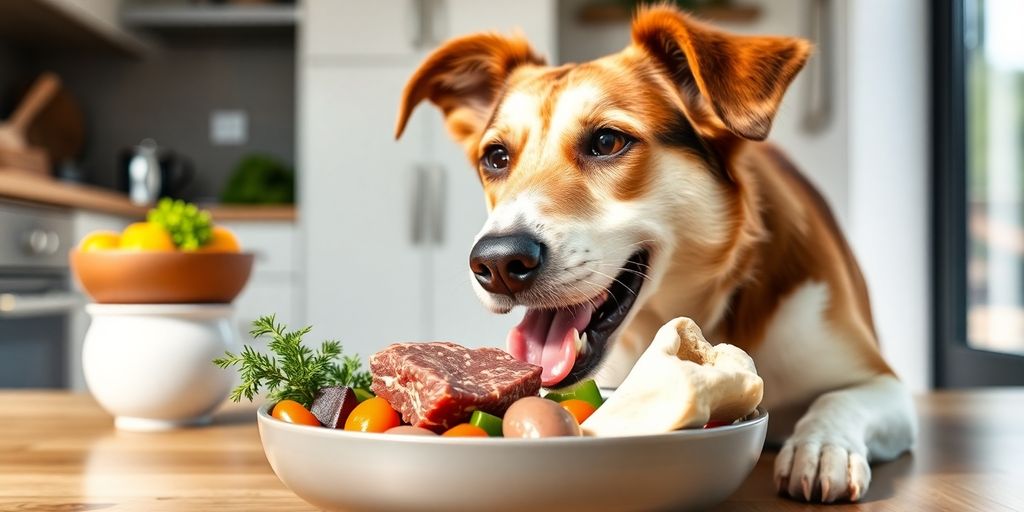
So, you’re thinking about making the switch to raw for your furry friend? Brilliant! It can feel a bit daunting at first, but getting the hang of the practical side of things is easier than you might think. Let’s break down how much to feed and what to look for when choosing the right food.
How Much Raw Food Should You Feed Your Dog?
Figuring out the right amount is key. It’s not a one-size-fits-all situation, as it depends on your dog’s age, breed, activity level, and even their metabolism. A good starting point is to aim for about 2-3% of your dog’s ideal adult body weight per day. For puppies, it’s a bit more, usually around 8-10% of their current body weight, split into several meals.
Here’s a rough guide:
- Adult Dogs: 2-3% of ideal body weight daily.
- Puppies (under 6 months): 8-10% of current body weight daily, split into 3-4 meals.
- Puppies (6-12 months): 5-7% of current body weight daily, split into 2-3 meals.
- Senior Dogs: You might need to adjust slightly based on their activity.
It’s always best to monitor your dog’s condition. If they’re gaining too much weight, reduce the amount slightly. If they seem a bit too lean, increase it a little. You’re looking for a nice, healthy body condition where you can feel their ribs easily but not see them sticking out.
Remember, these are just starting points. Your dog is an individual, and you’ll get to know their specific needs as you go along.
Choosing the Right Raw Food For Your Dog
When you’re picking out raw food, you’ll see a few different options. The most straightforward way to start is with commercially prepared raw meals. These are usually sold frozen in patties or tubs and are formulated to be complete and balanced, meaning they contain all the necessary nutrients your dog needs. This is a great way to begin, especially if you’re new to raw feeding, as it takes the guesswork out of balancing the diet yourself. You can find these from many reputable brands, often available at local pet shops or delivered straight to your door. Many of these brands are members of organisations like the PFMA, which is a good sign of quality.
Alternatively, some people opt for home-prepared raw diets. This involves buying individual ingredients like raw meat, organs, and bones, and then combining them yourself. While this can offer more control, it’s really important to get the balance right. Feeding just meat and bones, for example, isn’t a complete diet. You need to ensure you’re including a variety of meats, organs, and bones, along with some carefully selected vegetables and supplements to meet all your dog’s nutritional requirements. If you’re considering this route, doing plenty of research or consulting with a canine nutritionist is a must to avoid any nutritional deficiencies. For beginners, starting with a complete commercial raw food is often the easiest and safest bet to ensure your dog gets everything they need for a healthy life. You can explore different types of raw dog food to see what suits your dog best.
So, is raw food the way to go?
Right then, we’ve gone through quite a bit about feeding your dog raw food, haven’t we? It’s not exactly a quick fix, and you do need to get your head around the details, like making sure it’s all balanced and keeping things clean. But loads of owners reckon it’s made a real difference to their dogs, from their coats to their energy levels. Just remember to chat with your vet, especially if your dog has any health bits going on, and always go for reputable suppliers. It’s a big change, but for many, it’s a really rewarding one for their furry mates.
Frequently Asked Questions
What exactly is a raw food diet for dogs?
A raw food diet for dogs, often called the BARF diet (Biologically Appropriate Raw Food), is all about feeding your dog a natural diet. It means giving them a mix of raw meat, bones, organs, and sometimes a few veggies and superfoods. The idea is to give them food that’s closer to what their ancestors ate in the wild, providing all the nutrients they need to stay healthy and happy.
Is it safe to feed my dog a raw diet?
Feeding a raw diet can be safe and healthy, but it’s really important to get it right. You need to make sure the food is nutritionally balanced, which means getting the right mix of everything. It’s best to use food from reputable companies that specialise in raw dog food, as they ensure the meals are complete and meet all the necessary standards. Always remember good hygiene when handling raw meat, just like you would in your own kitchen.
How much raw food should I give my dog?
The amount of raw food your dog needs depends on a few things, like their age, how much they weigh, and how active they are. As a general rule, adult dogs usually need about 2% to 3% of their ideal body weight each day. For example, a 10kg dog might need around 200g to 300g of food daily. Puppies need a bit more to help them grow, often around 5% to 6% of their body weight.
