

Thinking about bringing a fluffy Persian cat into your Scottish home? It’s a big decision, and finding the right one is key. These cats are known for their calm nature and stunning looks, but they do need specific care. This guide will help you find a Persian cat for sale in Scotland, covering everything from choosing a good breeder to looking after your new companion. We’ll also touch on adoption as an option, because sometimes the perfect pet is already waiting for a loving home.
Key Takeaways
- When looking for a Persian cat for sale in Scotland, prioritise reputable breeders who are registered and can show health checks for their cats, especially for conditions like PKD.
- Expect to pay between £1,000 and £1,500 for a Persian kitten in the UK, with prices varying based on lineage and show potential.
- Proper grooming is a must for Persians; their long coats need daily brushing to prevent matting.
- Persian cats generally have a quiet temperament and do well in calmer home environments.
- Consider adoption from rescue centres if you’re looking for a Persian cat, as many need loving homes.
Finding Your Scottish Persian Pal
So, you’ve got your heart set on a Persian cat, and you’re looking to find one right here in Scotland. That’s brilliant! Persians are just lovely, aren’t they? With those big, round eyes and that famously fluffy coat, they really do stand out. They’re not exactly the most energetic of breeds, preferring a nice comfy spot to lounge in, which makes them perfect for a quieter home. Scotland, with its often cosy interiors, seems like a natural fit for these laid-back felines.
What Makes Persians So Special?
Honestly, it’s their whole package. Persians are known for being super gentle and calm. They’re not the type to be bouncing off the walls; instead, they’re more likely to be found snoozing in a sunbeam or quietly observing the world go by. Their long, luxurious fur is a big part of their charm, though it does mean they need a bit of a pamper session regularly. They come in a whole rainbow of colours too, from classic whites and creams to more unusual shades. It’s this combination of a sweet, placid nature and that unmistakable regal look that makes them such a popular choice.
Understanding Their Gentle Nature
When you bring a Persian into your home, you’re getting a companion who’s generally very sweet-natured and affectionate, but in a quiet sort of way. They tend to form strong bonds with their families and often enjoy being near their people, even if they aren’t always demanding attention. They’re not usually the sort to cause mischief or get into too much trouble, which is a bonus for many owners. Because they’re not overly active, they’re well-suited to apartment living or smaller homes, as long as they have plenty of comfortable places to relax and maybe a window to look out of.
Why Scotland Is A Great Place To Find Them
Scotland has a good number of dedicated cat lovers and breeders, and that includes those who specialise in Persians. You’ll find that many Scottish breeders are really passionate about the breed and adhere to high standards. Plus, there’s something quite special about finding your new furry friend in a place known for its own unique charm. It means you can often meet breeders who are genuinely invested in the welfare of their cats and are happy to share their knowledge. It’s always a good idea to look for breeders who are registered with organisations like the Governing Council of the Cat Fancy (GCCF), as this shows they’re following established guidelines for breeding and health.
Choosing A Reputable Scottish Breeder
What To Look For In A Breeder
Finding a good breeder is probably the most important step when you’re looking for a Persian kitten. It’s not just about getting a healthy cat, but also about supporting ethical breeding practices. A responsible breeder will be happy to answer all your questions and will likely have a few of their own for you. They’ll be proud of their cats and their facilities.
Here’s a checklist of what to look out for:
- Cleanliness and Space: The cats should live in a clean, comfortable environment with plenty of space to move around. You want to see happy, well-cared-for cats.
- Health Records: They should readily provide health certificates, vaccination records, and proof of genetic testing for common Persian issues like PKD (Polycystic Kidney Disease).
- Socialisation: Kittens should be raised in a home environment and be used to everyday sights and sounds. This helps them become well-adjusted pets.
- Transparency: A good breeder won’t hide anything. They’ll be open about their breeding programme and happy for you to visit.
GCCF Registration Explained
The Governing Council of the Cat Fancy (GCCF) is the main cat registry in the UK. When you see a Persian advertised as GCCF registered, it means the kitten’s parents are registered with them, and the kitten itself will come with a registration certificate. This is a good sign that the breeder is following established standards. It’s not a guarantee of perfect health, but it’s a solid indicator of a breeder who cares about the breed’s pedigree and welfare. Always ask to see the GCCF registration documents for both the kitten and its parents.
Health Checks Are A Must
Persians can be prone to certain health problems, so it’s vital that breeders screen their cats. The big one to ask about is Polycystic Kidney Disease (PKD). Many reputable breeders will have their breeding cats DNA tested for PKD, and they should be able to show you the results. This means the kittens they produce are unlikely to develop this serious condition. Beyond PKD, ask about any other health checks they perform. A breeder who invests in health testing is a breeder who cares deeply about the well-being of their cats. It’s worth noting that while kittens might have a price tag of around £1,000 to £1,500, this often reflects the costs associated with thorough health testing, quality food, and proper care.
Don’t be afraid to walk away if something doesn’t feel right. Your new furry friend deserves the best start in life, and that begins with choosing a breeder you can trust.
What To Expect When Buying A Persian Kitten
So, you’ve decided a fluffy Persian is the cat for you! That’s brilliant. But before you bring your new pal home, let’s chat about what you can expect. It’s not just about picking a cute face, you know. There’s a bit more to it, and being prepared makes all the difference.
Typical Kitten Prices In Scotland
Let’s get straight to it – Persians aren’t the cheapest cats to buy. You’re looking at a pretty significant investment. Prices can really vary, but you’re generally looking at anywhere from £1,000 to £1,500, sometimes even more. What makes them cost so much? Well, it’s a mix of things: the breeder’s reputation, the kitten’s pedigree (that’s their family tree, basically), if they have show potential, and even their colour. A kitten destined for the show ring will naturally cost more than one just looking for a loving home.
| Factor | Price Range (Approx.) |
|---|---|
| Pedigree Quality | £1,000 – £1,500+ |
| Show Potential | £1,200 – £2,000+ |
| Rare Colours | £1,300 – £1,800+ |
Essential Health Documentation
When you’re getting your Persian kitten, you absolutely must see the paperwork. A good breeder will have all of this ready and be happy to show you. This isn’t just about ticking boxes; it’s about knowing your kitten is starting life off on the right paw, health-wise.
- GCCF Registration: This shows your kitten is registered with the Governing Council of the Cat Fancy, the main cat registry in the UK. It means they’ve been bred to a certain standard.
- Vaccination Records: Your kitten should have had its initial vaccinations. Make sure you get the record so you know what they’ve had and when the next jabs are due.
- Health Test Results: Responsible breeders will have their cats health tested for common genetic conditions. For Persians, PKD (Polycystic Kidney Disease) testing is really important. You should see proof that the parents are clear of this.
- Microchip Details: Your kitten should be microchipped, and you’ll get the details to transfer ownership.
It’s really worth taking the time to check all the documents thoroughly. Don’t be shy about asking questions if anything is unclear. A reputable breeder will be happy to explain everything.
Meeting The Parents
This is a big one. You really should meet the kitten’s mum, and ideally the dad too, if possible. Seeing the parents gives you a good idea of what your kitten will be like when it grows up. Are they friendly? Do they look healthy? Are they well-cared for?
- Temperament: Observe how the parents interact with the breeder and with you. A calm, friendly mum is usually a good sign.
- Physical Condition: Check their coats, eyes, and general health. Are they clean and well-groomed? This often reflects the care given to the kittens.
- Living Environment: Get a feel for where the cats are kept. It should be clean, safe, and stimulating. You can find more advice on finding reputable breeders.
Meeting the parents helps you gauge the environment the kitten has grown up in, which is super important for their early socialisation and overall well-being.
Caring For Your New Persian
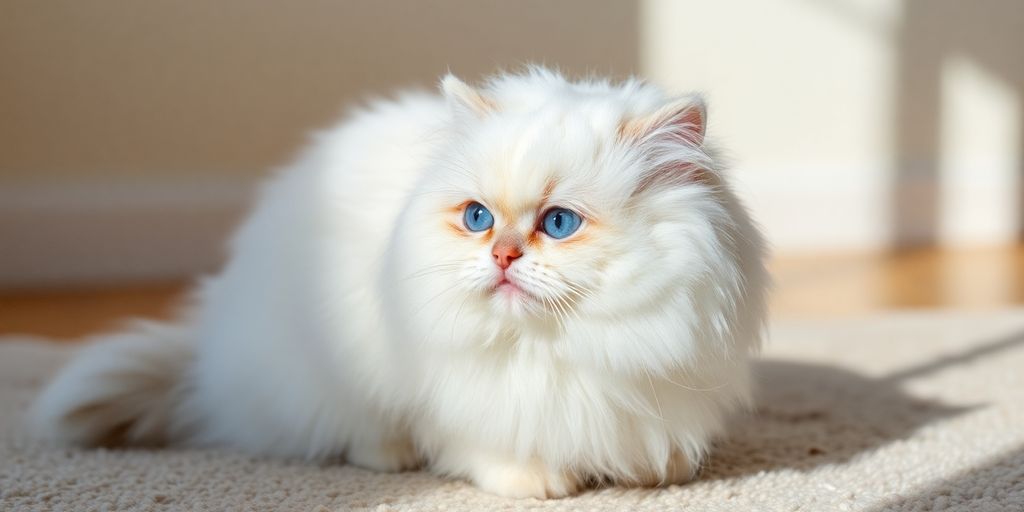
So, you’ve brought home your gorgeous Persian! Get ready for a life filled with fluffy cuddles and a wonderfully calm companion. But like any beautiful creature, they need a bit of special attention to keep them happy and healthy.
Grooming Your Long-Haired Beauty
Persians are famous for their magnificent, flowing coats, and keeping it that way is a bit of a commitment. Daily brushing is non-negotiable. If you skip days, you’ll end up with mats, and those are a nightmare to sort out. You’ll want a good quality metal comb and a slicker brush. Start from the skin and work your way out, gently untangling any knots. Pay extra attention to areas like under the arms and behind the ears, as these spots tend to mat up quickly.
It’s also a good idea to give them a bath every few weeks. Use a shampoo specifically designed for long-haired cats, and make sure you rinse thoroughly – leftover shampoo can irritate their skin. After the bath, gently towel dry them and then use a low-heat hairdryer while continuing to brush.
Dietary Needs For Picky Eaters
Persians can be a bit fussy when it comes to food. Their flatter faces can sometimes make it a little tricky for them to eat from a standard bowl, so you might want to look into shallow, wide bowls. Many owners find that feeding a high-quality, dry kibble formulated for Persians or long-haired breeds works best. These often have special kibble shapes that are easier for them to pick up.
Some Persians also benefit from wet food, but introduce it slowly. Always ensure they have access to fresh, clean water. If your Persian seems uninterested in their food, don’t panic straight away. Try warming the food slightly, or adding a tiny bit of warm water to soften it.
Creating A Calm Environment
These cats are not exactly known for their boundless energy. They prefer a peaceful home where they can lounge around without too much commotion. Loud noises, sudden movements, and a lot of activity can stress them out.
Make sure they have a comfy, quiet spot where they can retreat and feel safe. This could be a plush bed in a corner or a cosy cat tree.
- Provide plenty of soft bedding.
- Keep their litter box clean and in a quiet location.
- Avoid sudden loud noises or boisterous play around them.
Persians thrive in a stable, predictable environment. Routine is key to keeping your fluffy friend content and secure in their new home.
Considering Persian Cat Adoption In Scotland
Rescue Organisations To Explore
While buying a Persian kitten from a breeder is one route, have you thought about giving a loving home to a Persian who’s already here? Scotland has some fantastic rescue centres that often have these gorgeous, fluffy characters looking for their forever families. It’s a really rewarding way to find your new companion. You might find a purebred Persian or a lovely mix, and these cats often come with a bit of history, which can be quite special.
What To Expect From Adoption
Adoption fees are usually much lower than breeder prices, typically ranging from £50 to £150. This fee usually covers initial vet checks, vaccinations, and neutering, which is a massive saving. The rescue centre will want to make sure it’s a good match, so expect a home visit and a chat about your lifestyle. They want the best for their cats, and so do you!
- Thorough vetting process: They’ll ask lots of questions to ensure a good fit.
- Health checks included: Most cats are vet-checked, vaccinated, and neutered.
- Ongoing support: Many rescues offer advice and support even after you take your cat home.
Giving A Home To A Mature Cat
Adopting an adult Persian can be a brilliant choice. They’re often already house-trained and have a more settled personality than a kitten. You know what you’re getting with an older cat – their temperament is already established. Plus, they’re usually past that boisterous kitten stage and are happy to just chill out with you. It’s a really kind thing to do, giving a home to a cat that might otherwise be overlooked. You can often find Persians needing a new home on sites like Pets4Homes, which lists pets from all over the UK, including Scotland. Find a Persian
Adopting an adult Persian means you skip the chaotic kitten phase and get a ready-made companion who’s likely to be calmer and more independent. It’s a win-win for everyone involved.
Key Questions To Ask Potential Breeders
So, you’ve found a potential Persian breeder in Scotland and you’re getting ready to meet them and their gorgeous cats. Brilliant! But before you get too swept up in all the fluff, it’s super important to ask the right questions. This isn’t about being difficult; it’s about making sure you’re getting a healthy, happy kitten from someone who really cares about the breed. Think of it as a two-way street – they’re assessing you, and you should be assessing them too.
Questions About Health Testing
This is probably the most important area to cover. Persians can be prone to certain genetic conditions, so you need to know what tests the breeder is doing. Don’t be shy about asking for proof!
- PKD (Polycystic Kidney Disease): This is a big one for Persians. Ask if the parent cats have been DNA tested for PKD and if they are clear. A good breeder will have this documentation readily available.
- General Health: What other health checks do they perform on their breeding cats? This could include checks for heart conditions or eye issues. Ask to see any relevant veterinary records or certificates.
- Vaccinations and Deworming: What vaccinations has the kitten had, and when was it last dewormed? You’ll want to see the vaccination record.
Questions About Socialisation
A Persian kitten that’s been well-socialised will be much more confident and adaptable when they come to your home. It’s not just about genetics; it’s about how they’re raised.
- Environment: Where are the kittens raised? Are they kept in a clean, stimulating environment, or are they tucked away somewhere? Ideally, they should be part of the household.
- Interaction: How much time do the breeder and their family spend with the kittens? Do they handle them regularly? Are they exposed to everyday household noises and activities?
- Litter Training: Have the kittens been litter trained? Most breeders will have this sorted, but it’s worth confirming.
Questions About The Kitten’s Background
Knowing where your kitten comes from and what to expect is key to a smooth transition.
- GCCF Registration: Is the kitten registered with the Governing Council of the Cat Fancy (GCCF)? This is a good indicator of a breeder’s commitment to standards. You should receive the registration documents.
- Diet: What food are the kittens currently eating? Switching their diet too abruptly can cause upset tummies, so it’s good to know what they’re used to. You’ll want to continue with this for a while, or transition slowly.
- Kitten Pack: What comes with the kitten when you take them home? Reputable breeders usually provide a ‘kitten pack’ which might include a small bag of food, a favourite toy, and copies of health documents. This helps the kitten settle in.
Remember, a good breeder will be happy to answer all your questions and will likely have questions for you too. They want to ensure their kittens go to loving, suitable homes. If a breeder seems evasive or unwilling to discuss these points, it might be a sign to look elsewhere. Finding a reputable breeder is like finding a gem, and it’s worth the effort to find a good breeder.
Don’t be afraid to ask for proof of health tests and registration documents. It’s your right as a potential owner, and it protects both you and the kitten.
So, Ready for Your Scottish Persian Pal?
Right then, finding your perfect Persian cat in Scotland is all about doing your homework. We’ve chatted about what makes these fluffy characters so special, from their calm nature to their need for a good brush. Remember to look for breeders who really care about their cats’ health and happiness, and don’t be afraid to ask questions. Whether you go for a tiny kitten or decide to give a rescue cat a loving home, the most important thing is that you’re ready for the commitment. A Persian cat is a big part of the family, and with a bit of effort, you’ll have a gorgeous, purring companion for years to come. Happy searching!
Frequently Asked Questions
What makes Persian cats so special?
Persian cats, also called Shirazi cats, are famous for their super fluffy, long fur and their really calm, sweet personalities. They have those cute, round faces and short noses. Because their fur is so long and thick, it needs daily brushing to stop it from getting tangled. They’re not super energetic cats, so they’re happiest in a peaceful home where they can relax.
How do I find a good Persian cat breeder in Scotland?
To find a trustworthy breeder, look for ones registered with the Governing Council of the Cat Fancy (GCCF). A good breeder will be happy to show you their cats’ health records, especially for common issues like Polycystic Kidney Disease (PKD). It’s also a great idea to visit their cattery to see where the cats live and meet the parent cats. Checking reviews and asking for references can also help you find a responsible breeder.
What health checks should I expect from a breeder?
Responsible breeders will make sure their cats are healthy. They should provide proof of genetic testing, especially for PKD. You should also get vaccination records and a vet’s health certificate for your new kitten. It’s important that the breeder can show you that the parent cats have been tested and are free from genetic diseases common in the breed.
How much does a Persian kitten usually cost in Scotland?
The price for a Persian kitten from a registered breeder in the UK typically falls between £1,000 and £1,500. The exact cost can change depending on things like the kitten’s pedigree, if it has show potential, its colour, and the breeder’s reputation. Kittens with excellent show qualities might cost a bit more.
Are there other ways to get a Persian cat besides buying from a breeder?
Yes, you can definitely consider adopting a Persian cat! There are rescue organisations in the UK that often have Persian cats, both kittens and adults, looking for loving homes. Adopting is a wonderful way to give a cat a second chance. Rescue centres usually make sure the cats are healthy, vaccinated, and neutered before rehoming.
What are the basic care needs for a Persian cat?
Persian cats need regular grooming to keep their long coats in good condition, so be prepared for daily brushing. They can also be a bit fussy about their food, so you might need to try different high-quality cat foods to find what they like. Because they are calm animals, they do best in a quiet and peaceful home environment where they feel safe and relaxed.
