

So, you’re looking to get your dog to come back when you call, but your voice just isn’t cutting it anymore? It happens to the best of us! Lots of dog owners find that a good whistle can really make a difference in training, especially for recall. It’s like a secret weapon that dogs seem to tune into. We’ll walk through why a whistle is so handy and how to pick the right one for your furry mate, plus some simple tips to get them listening.
Key Takeaways
- Using a whistle for dog recall training gives you a clear, consistent sound that dogs can learn to associate with coming back to you, often more reliably than a voice command.
- When picking a whistle for dogs, think about how durable it is, how easy it is to carry around, and whether the sound quality is clear and distinct for your dog.
- Success with a whistle for dogs relies heavily on consistency – using the same sound for the same command and building positive associations through rewards.
Why a Whistle for Dog Recall Training is a Game-Changer
Right then, let’s talk about why a dog whistle can seriously sort out your recall training. If you’ve ever found yourself shouting your dog’s name until you’re blue in the face, only for them to carry on sniffing a particularly interesting patch of grass, you’ll know the struggle. Your voice, bless it, just doesn’t always cut it, especially when there’s a whole world of exciting smells and sights out there.
The Power of a Consistent, Far-Reaching Sound
Think about it: a whistle gives off a really clear, sharp sound. It’s not like your voice, which can change depending on whether you’re happy, stressed, or just plain tired. A whistle’s tone stays the same, every single time. This consistency is brilliant for dogs because they can easily learn to associate that specific sound with coming back to you. It’s a signal that cuts through the noise, whether that’s traffic, other dogs barking, or just the general hubbub of a busy park. Plus, these sounds can travel a surprisingly long way, much further than your voice often can, which is a massive help when your furry mate is off exploring.
Why Your Voice Isn’t Always Enough
Using your voice for recall is fine for short distances in quiet places, but it has its limits. If you’re constantly calling your dog, especially when they’re distracted, they might start to tune you out. It’s like when a parent has to repeat themselves over and over – eventually, the kids just don’t register it as urgent. A whistle, on the other hand, is a distinct sound that you can reserve for when you really need their attention. It’s a more controlled way to communicate, and it means you can save your voice for those really important moments. It’s a bit like having a secret code that only you and your dog understand, making your training sessions much more effective and less shouty. For a reliable recall, a whistle is a fantastic tool to have in your arsenal, helping to build a strong bond and ensuring your dog knows exactly what you want them to do, even from a distance. You can find some great options for dog whistle training that are built to last and easy to carry around.
Picking the Perfect Whistle for Your Pooch
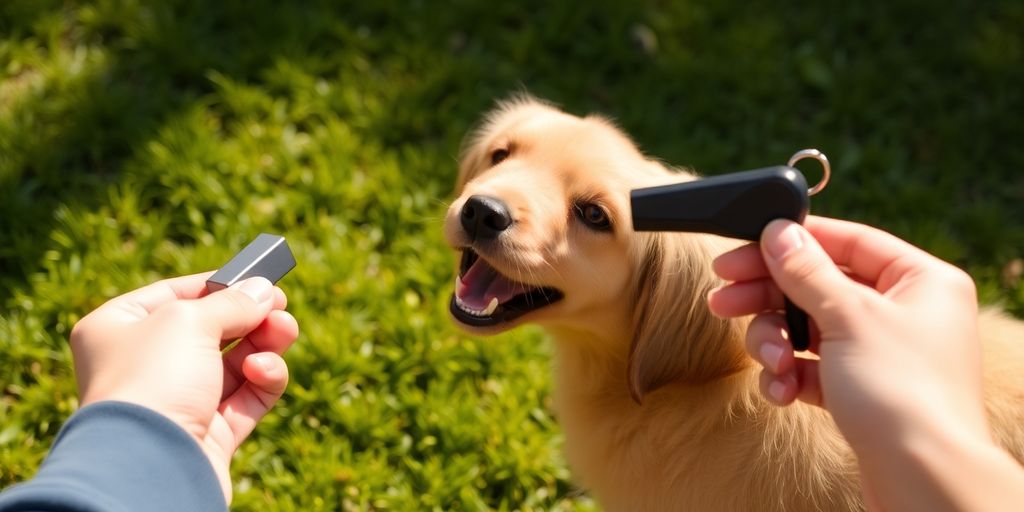
So, you’ve decided a whistle is the way to go for recall training. Brilliant! But with so many options out there, how do you pick the right one? It’s not just about grabbing the first shiny thing you see, you know. Think of it like choosing the right dog toy – it needs to suit your dog and your training style.
What Makes a Good Whistle?
When you’re looking for a whistle, a few things really stand out. First off, you want something that’s built to last. You’ll be taking it out and about, so it needs to handle a bit of rough and tumble, maybe even an accidental drop or two. A sturdy whistle means the sound stays consistent, and consistency is what your dog needs to learn.
It also needs to be easy to carry. You don’t want to be fumbling around for it when your dog’s already halfway to the next postcode. Something lightweight with a lanyard or a keyring attachment is ideal. You want it to be ready to go, just like you and your dog are.
And the sound itself? It needs to be clear and distinct. A whistle that crackles or changes tone can confuse your dog, and that’s the last thing you want. You’re aiming for a reliable signal, not a mystery sound.
Here’s a quick rundown of what to look for:
- Durable Material: It needs to withstand the elements and the odd knock.
- Consistent Sound: No wavering tones – a steady pitch is key.
- Easy to Carry: Lightweight with a way to attach it to your person.
- Clear Tone: A sound your dog can easily distinguish.
Audible vs. Silent: Which is Right for You?
This is a big one, and honestly, it often comes down to personal preference and where you’ll be training. You’ve got two main types:
- Audible Whistles: These are the ones you and your dog can both hear. They’re great for beginners because you can hear the sound yourself, making it easier to ensure you’re blowing it consistently. The downside? Well, some can be quite loud, and you might get a few odd looks from passers-by. But hey, your dog’s safety and training are what matter most, right?
- Silent Whistles: These emit a high frequency that’s barely audible to us humans but perfectly clear to your dog. Many people like these because they don’t disturb others. However, remember that even though you can’t hear it, your dog definitely can, so you still need to be mindful of not blowing it directly into their ears.
Choosing between audible and silent often depends on your environment and how you prefer to train. If you’re new to whistle training, starting with an audible one can give you more confidence as you can monitor the sound yourself. As you get more experienced, you might explore silent options.
Ultimately, the best whistle is the one that works for you and your dog. Stick with one type once you’ve chosen, to avoid confusing your furry friend. It’s all about building that clear, reliable communication channel.
Getting Your Dog to Listen: Whistle Training Tips
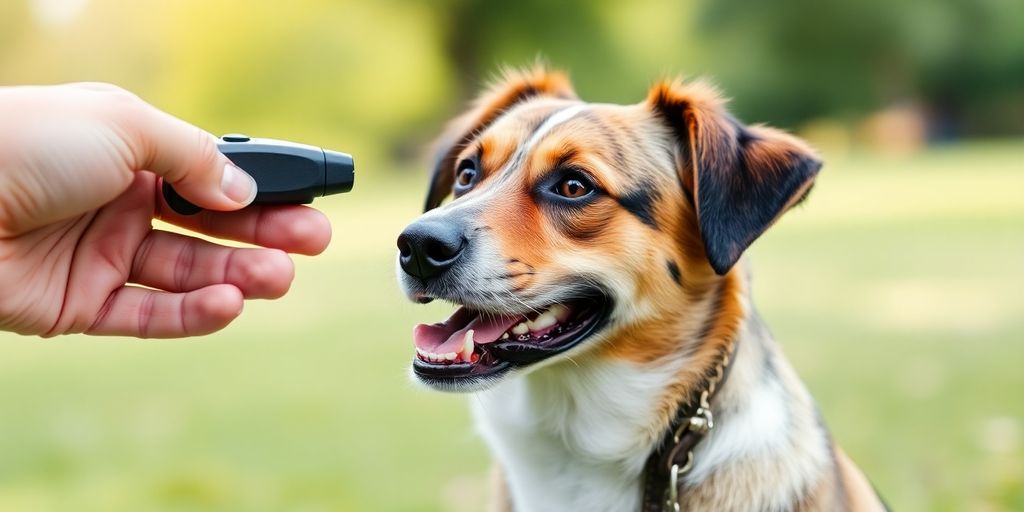
So, you’ve got your whistle, and you’re ready to get your canine companion tuned in. It’s not quite as simple as just blowing it and expecting Fido to trot over, though. Think of it like teaching any new language – you need to build a connection between the sound and the action.
Building Positive Associations
First things first, you want your dog to think of that whistle sound as a really good thing. Grab some super tasty treats – the kind that make your dog’s eyes light up. Head to a quiet spot, maybe a room in the house where there aren’t too many distractions. When your dog is looking at you, give a short, sharp blast on the whistle, then immediately give them a handful of those amazing treats. Wait a few minutes, then repeat. The goal here is to make every single whistle toot a mini-party for your dog. This helps them associate the sound with something wonderful, making them eager to pay attention.
From Quiet Rooms to Busy Parks: Gradual Progression
Once your dog is reliably looking at you when they hear the whistle in a calm environment, it’s time to slowly introduce more distractions. Start by moving to your garden, then a quiet park, and eventually, you can work up to busier areas. If your dog gets distracted and doesn’t respond, that’s okay! Just go back a step to a less distracting environment where they can succeed. It’s all about building their confidence and ensuring they understand the cue, no matter what’s going on around them. Remember, a whistle is a sound that carries well, making it a great tool for recall, even from a distance Train your dog to respond to a whistle.
The Golden Rule: Consistency is Key
This is probably the most important bit of advice: be consistent. If a specific whistle pattern means ‘come here,’ it must always mean ‘come here.’ Don’t mix it up with a ‘sit’ command or use it randomly. Think of the whistle as a precise language. If you’re just blowing it hoping for a reaction, your dog will get confused, and you’ll likely end up frustrated. It’s better to use the whistle sparingly but effectively, so it always holds value for your dog. Avoid blowing it constantly; less is often more. This way, when they hear it, they know it’s important.
Whistle training is a process. It requires patience and a clear understanding that your dog isn’t just hearing noise; they’re learning a new, reliable cue. Stick with it, and you’ll have a fantastic recall tool.
So, What’s the Verdict?
Right then, we’ve gone through why a whistle can be a proper game-changer for getting your dog to listen, especially when you need them back sharpish. It’s all about that consistent, clear sound that cuts through the noise, unlike our sometimes wobbly voices. Remember to pick a whistle that feels right for you and your dog – something sturdy that you can easily take out and about. And the training bit? Keep it simple, make it positive, and be consistent. Your dog will soon get the hang of it. It’s not magic, but it’s pretty close to it for getting your furry mate back safely.
Frequently Asked Questions
Why is a whistle better than shouting for dog training?
A whistle makes a clear, consistent sound that dogs can easily recognise, even from a distance. Unlike your voice, which can change depending on how you’re feeling, a whistle’s tone stays the same. This makes it easier for your dog to understand and respond to the command, especially in noisy places where your voice might get lost.
What should I look for when buying a dog whistle?
When picking a whistle, think about a few things. It should be made of strong material so it lasts, even if it gets dropped or chewed a bit. It’s also handy if it’s lightweight and easy to carry around, maybe with a loop for your keys. Most importantly, it needs to make a clear sound that your dog can hear well, so you know they’re getting the message loud and clear.
How do I get my dog to listen to the whistle?
To get your dog to respond to the whistle, you need to create positive links. Start by blowing the whistle just before something good happens, like mealtime or a fun game. When your dog comes to you after hearing the whistle, give them a tasty treat or lots of praise. Gradually practice in different places, starting quiet and then moving to busier spots, always rewarding them for coming back.
