

So, you’ve got a grown-up dog and you’re wondering how to toilet train an adult dog? It might seem a bit daunting, especially if you’re used to puppy training, but it’s totally doable. Adult dogs are different, sure, they might have some old habits or past experiences that make things a little trickier, but with the right approach, you can absolutely get them on the right track. It’s all about patience, consistency, and understanding what your dog needs. This guide will walk you through everything you need to know to make housetraining your adult dog a success.
Key Takeaways
- Adult dogs have unique needs and past experiences that influence housetraining, so a tailored approach is necessary.
- Establishing a consistent routine for feeding and potty breaks is the foundation of successful training.
- Learning to read your dog’s signals and using positive reinforcement are vital for teaching them the right behaviours.
- Constant supervision and appropriate confinement strategies, like crate training, help prevent accidents and reinforce good habits.
- Dealing with accidents calmly, cleaning them thoroughly, and learning from setbacks are all part of the process in how to toilet train an adult dog.
Understanding Your Adult Dog’s Needs
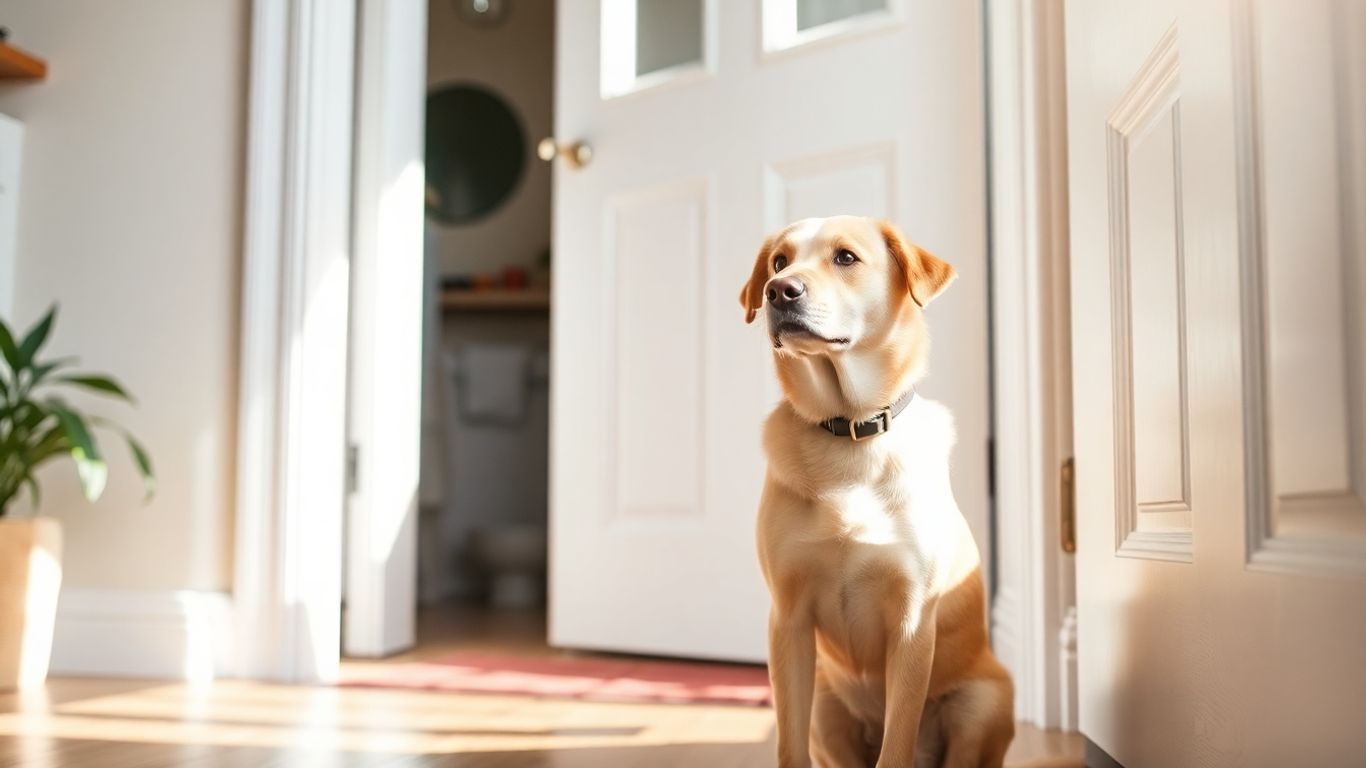
So, you’ve got a grown-up dog and you’re looking to get them sorted with house training. Brilliant! It’s a bit different from bringing home a tiny pup, and that’s totally okay. Adult dogs come with their own histories, and understanding that is the first step to success.
Why Adult Dogs Are Different
Adult dogs aren’t just bigger puppies. They’ve lived a bit, and they might have picked up habits – good or bad – from their previous lives. Maybe they’ve always lived outside and don’t quite get the ‘indoors is for sleeping, outdoors is for business’ rule. Or perhaps they’ve had a rough start and are a bit wary of new things, like being confined. It’s about recognising they’re individuals with their own experiences. This means we need to be a bit more patient and observant than we might be with a blank slate puppy.
Considering Past Experiences
Think about where your dog has come from. If they were a stray, or lived in a shelter, or even just had a previous owner who wasn’t able to train them, they might have some ingrained behaviours. A dog that’s always had to ‘go’ whenever the urge struck might take a while to learn to hold it for scheduled potty breaks. It’s not that they’re being naughty; they just don’t know any different yet. We need to gently show them the new way.
Health and Age Factors
Sometimes, it’s not about habits at all. As dogs get older, their bodies change. They might not have the same bladder control they once did, or they could develop health issues that affect their toileting. Things like urinary tract infections or even just the general slowing down that comes with age can play a part. It’s always a good idea to have a quick chat with your vet when you first get an adult dog, just to rule out any underlying health problems that could be making training tricky. They can also offer advice specific to your dog’s age and breed.
It’s important to remember that every dog learns at their own pace. What works for one might not work for another. We need to be flexible and adapt our methods.
- Previous Living Situation: Was the dog an outdoor dog, an indoor dog, or a mix? This impacts their understanding of where to go.
- Training History: Have they had any prior training, positive or negative?
- Temperament: Are they confident, shy, anxious, or eager to please? This will influence how they respond to training.
- Physical Health: Any medical conditions that might affect bladder or bowel control?
Setting Up For Success: The Foundations
Right then, let’s get down to brass tacks. Housetraining an adult dog isn’t about reinventing the wheel, but it does need a solid plan. Think of it like building a sturdy house – you need a good foundation before you start decorating. This means getting a few key things sorted before you even think about praising your dog for doing their business outside.
The Power of a Consistent Routine
Dogs, bless ’em, thrive on predictability. They like knowing what’s coming next, and this is especially true when it comes to their toilet habits. A haphazard schedule is a recipe for confusion and, let’s be honest, more accidents. You need to establish a routine that your dog can learn and rely on. This isn’t just about taking them out at random times; it’s about when you feed them, when you play, and when you expect them to do their business.
Here’s a rough guide to get you started:
- First thing in the morning: Before breakfast, before any fuss. Straight out the door.
- After meals: Give them about 15-20 minutes to digest, then it’s potty time.
- After naps or sleep: Waking up often means needing to go.
- After playtime or excitement: A good romp can stimulate the need to relieve themselves.
- Before bed: A final trip out to empty their bladder for the night.
Sticking to these times, day in and day out, will help your dog’s body clock adjust. It makes it much easier for them to understand when and where they’re supposed to go.
Choosing the Right Spot
Where you decide your dog should do their business is another biggie. You want a spot that’s easy for them to get to, easy for you to clean up afterwards, and, importantly, a place you can stick to consistently. If you keep moving their ‘toilet area’ around, you’re just going to confuse them. Imagine if your own bathroom kept changing locations – you’d be lost!
Think about:
- Accessibility: Can your dog easily get there, especially if they’re older or have mobility issues?
- Surface: Is it a surface they’re comfortable with? Some dogs prefer grass, others gravel, some might even be okay with artificial turf.
- Distance from distractions: Try to pick a spot that’s not right next to a busy road or a place where other dogs frequently pass by, as this can be a bit too exciting.
Once you’ve picked a spot, try to keep them going there. This consistency helps them associate that particular patch of land with doing their business.
Essential Training Tools
While your patience and consistency are your most important tools, a few bits of kit can make the whole process smoother. You don’t need a whole load of fancy gadgets, but a few well-chosen items can really help.
- High-value treats: These are small, super tasty treats that your dog absolutely loves. They’re for rewarding good behaviour immediately after they’ve done their business in the right spot.
- A reliable lead and collar/harness: For taking them out to their designated spot, especially in the early days. It also helps keep them from wandering off too far.
- Enzymatic cleaner: Accidents will happen. Regular household cleaners often don’t fully remove the scent, which can encourage your dog to go in the same spot again. An enzymatic cleaner breaks down the odour molecules.
Having these basics in place before you really get going means you’re prepared. It shows your dog that you’re serious about this, and it makes your life a whole lot easier when you’re in the thick of training.
Remember, setting up these foundations isn’t just about the physical space and tools; it’s about creating an environment where your dog feels safe, understood, and motivated to learn.
Mastering The Art Of Toilet Training
Right then, let’s get down to the nitty-gritty of actually teaching your dog where to do their business. This is where all that prep work we talked about really pays off. It’s not magic, but it can feel like it when you start seeing progress. The key is to be observant and consistent, and to make sure your dog knows exactly what you want them to do.
Reading Your Dog’s Signals
Dogs are pretty good at telling us what they need, if we just pay attention. You know your dog best, so start noticing their little quirks. Do they start sniffing the floor intently? Maybe they do a little dance or whine by the door? Some dogs might even start pacing or looking at you with a worried expression. These are all signs they need to go. Catching these signals early is your golden ticket to preventing accidents indoors. The sooner you spot them, the sooner you can whisk them outside to their designated spot. It’s like learning a new language, and your dog is the one teaching you.
Here are some common signals to watch out for:
- Sniffing the ground or circling
- Whining or barking at the door
- Pacing or restlessness
- Sudden disinterest in play or food
- Heading towards their usual potty spot
Using Cue Words Effectively
Once you’ve got your dog heading to the right spot, it’s time to give them a little verbal nudge. Pick a simple phrase, something like ‘Go potty’ or ‘Toilet time’, and say it in a calm, encouraging voice just as they start to do their business. The idea is to associate that word with the action. Don’t overdo it, and don’t say it if they’re just sniffing around; wait until they’re actually going. This helps them understand what you’re asking for. It’s a bit like giving them a specific instruction for a specific task. Over time, they’ll start to connect the word with the act of eliminating outside. This is a great way to help with potty training regression if it ever pops up.
The Magic of Positive Reinforcement
This is probably the most important bit. When your dog does exactly what you want – goes to the toilet in the right place – you need to make a big fuss! We’re talking enthusiastic praise, a happy tone of voice, and a tasty treat. The reward needs to be immediate, so they connect the good behaviour with the good stuff. Don’t wait even a second. This positive reinforcement is what really cements the learning. It shows your dog that doing the right thing gets them attention and rewards, which is way better than any scolding. Think of it as building a positive association with doing their business outdoors. It’s all about making them want to please you and get that reward. Consistency here is key; every single time they get it right, they should get that positive feedback. It’s a journey, and every small success should be celebrated.
Supervision And Confinement Strategies
Right then, let’s talk about keeping an eye on your dog and giving them their own safe space. This bit is super important, especially when you’re trying to get them used to going to the loo in the right spot. It’s all about setting them up for success and making sure you don’t end up with too many surprises.
Why Constant Vigilance Pays Off
Honestly, when you’re training an adult dog, keeping a close watch on them is your best mate. Think of it like this: you wouldn’t leave a toddler to their own devices for hours, would you? Same idea here. Dogs, especially when they’re learning new habits, need us to be their eyes and ears. They often need to go after they’ve eaten, had a drink, played a bit, or woken up from a nap. If you’re around to see these moments, you can gently guide them to their designated potty spot. This active supervision is your golden ticket to preventing accidents before they even happen. It means you can catch them in the act (of needing to go, not doing it!) and redirect them, which is way better than trying to clean up a mess later. It also gives you loads of opportunities to praise them when they do get it right, and that positive reinforcement is gold dust.
When You Can’t Supervise Directly
Life happens, right? You can’t be glued to your dog’s side 24/7. That’s where confinement strategies come in. It’s not about punishing your dog; it’s about creating a safe zone where they’re less likely to have an accident. This could be a specific room, or a combination of a crate and a small, safe area.
- Designated Safe Space: Think of a room like the kitchen or utility room, where accidents are easier to clean up. You can use baby gates to keep them contained.
- Indoor Potty Options: For longer absences, or if you have limited outdoor access, consider an indoor potty solution. Things like a doggy litter box or a more specialised ‘Doggy Bathroom’ can be really helpful. These are especially good for smaller dogs or those who tend to lift their leg.
- Short Trips Out: If you’re just popping out for an hour or two, a properly sized crate can be a lifesaver. It taps into their natural instinct not to soil their sleeping area.
The Role of Crates
Crates get a bit of a bad rap sometimes, but used correctly, they’re brilliant training tools. The key is to make the crate a positive, safe den for your dog, not a place of punishment. It should be just big enough for them to stand up, turn around, and lie down comfortably. If it’s too big, they might use one end as a toilet and the other as a bed, which defeats the purpose.
When you’re training, you’ll use the crate for short periods when you can’t watch your dog. This helps them learn to hold it, and it significantly reduces the chances of them having an accident in the house. It’s a bit like giving them a little ‘time out’ from the pressure of needing to go when you’re not there to guide them. Remember, the goal is to build good habits, and a crate can be a really effective part of that puzzle.
When you’re not around to supervise, a confined space is your best friend. It prevents accidents from happening and reinforces the idea that the house isn’t a toilet. It’s about managing their environment to support the training you’re doing when you are there to guide them. Think of it as a temporary measure to build good habits.
Dealing With Those Unavoidable Accidents
Right, let’s talk about the inevitable. Even with the best intentions and the most consistent routine, accidents are going to happen. It’s not a sign of failure on your part or your dog’s; it’s just part of the learning curve, especially with adult dogs who might have old habits or past experiences to unlearn. The key here is how you react. Getting flustered or angry won’t help anyone and can actually make things worse.
Keeping Calm When Things Go Wrong
If you catch your dog in the act, don’t panic. A sudden shout or a chase can just scare them. Instead, try a gentle, sharp noise – a quick clap or a soft ‘uh-uh’ – to interrupt them. Then, calmly lead them straight outside to their designated potty spot. If they finish up outside, even if it’s just a little bit, praise them enthusiastically and offer a small treat. This reinforces that outside is the place to go. If you find the mess later, though, it’s too late to do anything. Scolding them after the fact will just confuse them and make them wary of you, potentially leading them to hide their accidents in the future.
The Importance of Proper Cleaning
This is a big one. Cleaning up properly is absolutely vital to prevent repeat offenders. Your nose might not detect it, but your dog’s can. If an area smells like a toilet to them, they’re likely to use it again. Forget your standard household cleaners; they often just mask the smell for us but not for our dogs. You need an enzymatic cleaner. These special cleaners break down the biological matter that causes the odour, effectively erasing the scent marker. Look for products specifically designed for pet messes. Ammonia-based cleaners are a definite no-no, as they smell a bit like urine to dogs and can actually encourage them to go there again.
Learning From Setbacks
Think of accidents as feedback. They’re telling you something. Maybe the routine needs a tweak, or perhaps you need to supervise a bit more closely for a while. Did something change in your dog’s environment? A new routine, visitors, or even a change in diet can sometimes throw them off. It’s also worth considering if there might be an underlying health issue, especially if accidents suddenly increase. If you’re unsure, a quick chat with your vet is always a good idea. Don’t get discouraged; every dog learns at their own pace, and your patience will pay off.
Building Trust And Strengthening Your Bond
Look, toilet training an adult dog isn’t just about stopping them from having accidents. It’s a real chance to get closer to your dog, to build up that trust that makes everything else easier. When you’re patient and consistent, you’re showing your dog that you’ve got their back, that you’ll help them figure things out. This whole process, the ups and downs, it really cements your relationship.
Patience Is A Virtue
This is probably the most important bit. Adult dogs, especially if they’ve had a rough past or just haven’t learned the rules, can take their time. You can’t rush it. Think of it like teaching a human a new habit – it doesn’t happen overnight. Some days will be brilliant, and you’ll think you’ve cracked it, and then BAM, an accident happens. That’s okay. Just take a deep breath and remember that your dog isn’t doing it to annoy you. They’re still learning.
Celebrating Every Small Victory
Seriously, don’t underestimate the power of a good old fuss. Every single time your dog does their business outside, or even if they just look like they’re going to go outside and you’ve managed to get them there in time, make a big deal of it. A happy voice, a little treat, a good scratch behind the ears – whatever your dog loves. This positive feedback is like gold dust for them. It tells them, ‘Yes! This is exactly what I want you to do!’
Here’s a little breakdown of how to celebrate:
- Immediate Praise: As soon as they finish, tell them they’re a good dog in a really happy tone.
- Tasty Treats: Have some small, high-value treats ready to hand over straight after.
- Playtime: A quick game of fetch or tug can be a great reward too.
- Affection: A good cuddle or a belly rub if that’s their thing.
A Journey of Mutual Respect
Ultimately, this is about building a partnership. You’re learning to read your dog, and they’re learning to understand what you expect. When you approach training with kindness and understanding, you’re showing respect for your dog as an individual. They’ll pick up on that. A dog that feels respected and understood is more likely to want to please you and work with you. It’s not just about them learning to go to the toilet; it’s about them trusting you to guide them through life’s little challenges. And that, honestly, is the best part of having a dog.
Remember, every dog learns at their own pace. What matters most is your consistency, your mindset, and your willingness to adapt. Keep the process positive, celebrate each success, and know that you’re not just teaching your dog—you’re also growing as a pet parent. You’ve got this!
So, You’ve Got This!
Right then, we’ve covered quite a bit, haven’t we? From understanding why your grown-up dog might be having a few ‘oopsies’ to getting a solid routine in place, it’s all about patience and consistency. Remember, adult dogs aren’t puppies, and sometimes they’ve got a bit of history that needs understanding. Don’t get disheartened if there are a few slip-ups along the way – they happen to the best of us, and honestly, they’re just part of the learning curve. Keep those positive vibes going, celebrate the small wins, and trust the process. You’re building a stronger bond with your furry mate with every step, and that’s what it’s all about. Give yourself a pat on the back, you’re doing a grand job!
Frequently Asked Questions
Why is toilet training an adult dog different from a puppy?
Adult dogs might already have set habits from their previous life, which can make them a bit trickier to train than puppies. They might be used to going whenever they need to, rather than on a schedule. Sometimes, past experiences, like living outdoors or in a difficult situation, can also affect how they learn. It just means we need to be extra patient and understanding with them.
What’s the most important thing for successful toilet training?
The absolute key is being consistent! This means sticking to a regular routine for feeding and taking your dog outside. Dogs thrive on knowing what to expect and when. A predictable schedule helps them understand when it’s time to go to the toilet and where they should do it.
How do I know when my dog needs to go to the toilet?
Your dog will give you clues! Look out for signs like sniffing the ground a lot, circling around, whining, or going towards the door. Learning to spot these signals early is super important. The sooner you notice, the sooner you can take them to their special toilet spot and prevent an accident inside.
What should I do if my dog has an accident indoors?
The most important thing is to stay calm and never punish your dog. If you catch them in the act, gently interrupt them and take them outside immediately. If you find an accident later, just clean it up thoroughly with a special cleaner that gets rid of all smells. Punishing them can make them scared and confused, which won’t help them learn.
Are there any special tools that can help with toilet training?
Yes, there are! Using a crate can be really helpful because dogs naturally don’t like to mess up their sleeping area. Keeping them on a lead when you take them out can help them focus. Also, having tasty treats ready for when they do their business in the right spot is a great motivator. And for cleaning up, special enzyme cleaners are best because they remove smells completely.
How long does it usually take to toilet train an adult dog?
Every dog is different, so there’s no set time. Some dogs pick it up really quickly, while others might take a bit longer. The main things are your patience, how consistent you are with the routine, and how well you understand your dog’s signals. Just keep at it, celebrate the small wins, and you’ll get there together!
