

So, you’re thinking about getting a Persian chinchilla cat? They’re pretty stunning, aren’t they? With that shimmering coat and those big, expressive eyes, it’s easy to see why people are drawn to them. But beyond the good looks, what are they really like? This guide will walk you through everything you need to know, from where they came from to what it’s like to have one as a pet. We’ll cover their history, their personality, and how to look after them, so you can decide if this elegant feline is the right fit for your home.
Key Takeaways
-
The chinchilla, a type of Persian, originates from England in the late 1800s, bred for its unique silver-tipped coat.
-
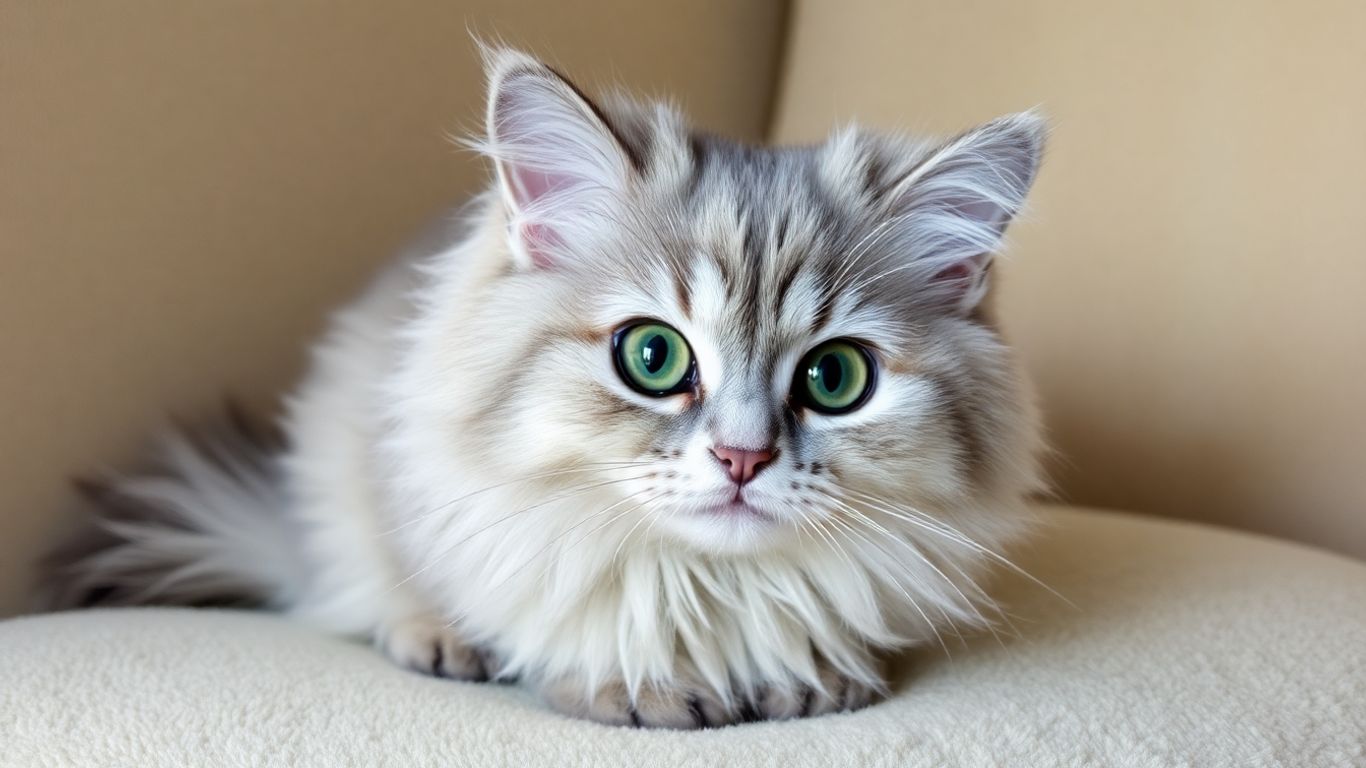
Known for their shimmering silver or golden fur and striking green eyes, they have a gentle, rounded face.
-
These cats are typically calm, affectionate, and loyal companions, forming strong bonds with their owners.
-
While good with older children and other pets, their quiet nature means they might not suit very busy households.
-
Regular grooming is a must to maintain their luxurious coat, and they may need help with eye and facial hygiene due to their breed characteristics.
A Glimpse Into The Persian Chinchilla Cat’s Past
The Origins Of The Silver-Tipped Coat
The Chinchilla cat, as we know it today, didn’t just pop into existence. It’s actually a special type of Persian cat, and its story really kicks off in England around the 1880s. The whole point of breeding these cats was to get that stunning, shimmering coat, much like the rodent it’s named after. It all started with a smoke-coloured kitten named Chinnie, who was the result of a Persian cat meeting a stray tomcat. Chinnie’s owner then paired her with a silver tabby, and eventually, this led to the first Chinchilla cats. By the early 1900s, breeders had really nailed down the look, and the first official standards for the breed were set. Pretty wild to think that a specific coat colour was the main goal back then!
From Rodent To Regal Feline
It might sound a bit odd, but the Chinchilla cat gets its name from the chinchilla rodent because of their incredibly soft, dense fur that has a unique tipped appearance. While the rodent is known for its plush white fur tipped with black, giving it a silvery look, the cats were bred to mimic this. This selective breeding made the Chinchilla one of the earliest cat breeds developed purely for its coat colour. It’s fascinating how humans can influence animal appearances over time, turning something that might have been a random genetic quirk into a recognised breed.
A Breed Born In Britain
So, the Chinchilla cat’s journey began in Britain, specifically in England, in the late 19th century. It’s a relatively new breed compared to some others, and its development is a testament to dedicated breeding efforts. The initial focus was on achieving that distinctive silver tipping on a white coat, a look that was quite novel at the time. This meticulous work by early breeders laid the foundation for the elegant feline we admire today. If you’re thinking about bringing one of these beauties home, it’s good to know a bit about their history and how they came to be, which can help you understand their needs. For some tips on preparing your home for a new cat, check out this guide to indoor cat care.
|
Key Development |
Approximate Year |
|---|---|
|
Birth of Chinnie (foundation cat) |
c. 1882 |
|
First Chinchilla standards set |
Early 1900s |
|
Breed standards largely unchanged |
Since 1920 |
Understanding The Chinchilla Cat’s Charm
That Famous Shimmering Coat
Right, let’s talk about what makes these cats so utterly distinctive – their coat. It’s not just long and fluffy, though it certainly is that. The real magic is in the ‘tipping’. Imagine a pure white base, but then the very ends of the hairs are a different colour, usually black, but sometimes gold or even blue. This creates that incredible, almost ethereal silver or golden shimmer that gives them their name. It’s like they’ve been dusted with moonlight! Because of this, they often look a bit like a silver tabby, even though they aren’t technically tabbies. It’s a real showstopper, and honestly, it’s the first thing that grabs you.
Eyes That Mesmerise
And then there are the eyes. Oh, those eyes! They’re typically a big, round, and a really vibrant shade of green. Sometimes you might see a blue-green, which is just as stunning. What’s really neat is that the edges of their eyes are often lined with black or dark brown, making them look like they’re wearing a bit of natural eyeliner. It really makes them pop against that pale, shimmering fur. They’ve got this wide-eyed, innocent look that’s just impossible to resist.
A Gentle, Rounded Face
Their face is another big part of their charm. Think soft, rounded features. They have a bit of a broader muzzle than some other breeds, and their cheeks are quite full, giving them a sweet, almost teddy-bear-like appearance. The nose is usually a nice brick-red colour and, like the eyes, is often outlined in dark colour. It all comes together to create a face that just looks incredibly gentle and approachable. They’re not sharp or angular at all; it’s all soft curves and sweet expressions.
The Chinchilla Cat’s Personality Unpacked
Right then, let’s chat about what makes a Chinchilla cat tick. These aren’t your typical hyperactive felines, oh no. They’re more the ‘gentle soul’ type, happiest when they’re lounging about and soaking up the good vibes. They’re known for being incredibly affectionate and loyal, forming strong bonds with their people. Think of them as quiet, devoted companions who just want to be near you. They’re not really the type to go tearing around the house causing chaos; they prefer a more serene existence.
A Calm And Affectionate Companion
Chinchilla cats are generally pretty laid-back. They’re not overly demanding, but they do appreciate a good cuddle session. You’ll find them quite content to sit on your lap, purring away, especially if you’re giving them a good fuss. They’re also quite sociable, but can be a bit reserved around new faces. So, if you’ve got visitors, don’t be surprised if your Chinchilla decides to observe from a safe distance until they feel comfortable.
Loyalty And Devotion
When a Chinchilla cat decides you’re their person, they really stick with you. They’re known for their devotion, and you’ll often find them following you from room to room, just wanting to be in your presence. This loyalty means they thrive on attention and can get a bit mopey if they feel ignored for too long. They’re not the kind of cat that’s happy being left to its own devices all day, every day. They really do enjoy being part of the family’s activities, even if that just means snoozing in the same room.
Not A Fan Of Being Alone
Because they bond so closely with their owners, Chinchilla cats don’t tend to do too well when left alone for extended periods. If you’re out at work all day, every day, this might not be the best breed for you. They can get anxious or bored, and nobody wants a stressed-out kitty. Ideally, they need a home where someone is around for a good portion of the day, or perhaps another friendly pet to keep them company. They’re definitely more of a ‘homebody’ cat.
Here’s a little breakdown of their typical traits:
-
Affectionate: They love a good cuddle.
-
Loyal: They’ll stick by your side.
-
Quiet: Not a noisy breed.
-
Sociable: Generally get along with others, but can be shy with strangers.
-
Low Energy: Prefer lounging to leaping.
While they are generally good with other pets, especially if introduced properly, they might not be the best fit for households with very young, boisterous children. Their calm nature means they can be easily overwhelmed by a lot of noise and activity. It’s best if they have a peaceful environment to truly relax and be themselves. If you’re looking for a calm companion, you might find this breed to be a perfect match for your quiet lifestyle.
|
Trait |
Rating (1-5) |
Notes |
|---|---|---|
|
Affection |
5 |
Very loving and enjoy cuddles. |
|
Independence |
1 |
Prefer company and dislike being alone. |
|
Playfulness |
2 |
Enjoy gentle play but aren’t overly active. |
|
Sociability (Pets) |
4 |
Generally good with other animals. |
|
Sociability (Strangers) |
2 |
Can be shy initially. |
Bringing A Chinchilla Cat Home
So, you’ve fallen for the Chinchilla cat’s charm and are thinking about welcoming one into your life. That’s brilliant! These elegant felines, with their stunning coats and gentle natures, can make wonderful companions. But before you go ahead and get one, let’s chat about what makes a good home for them.
Ideal Living Environments
Chinchilla cats aren’t exactly built for a life of high-octane adventure. They’re more of a ‘sit by the window and watch the world go by’ kind of cat. This means they’re perfectly happy in a cosy flat or a house, as long as they have a comfy spot to snooze and a bit of stimulation. Think soft blankets, a sunny windowsill, and maybe a cat tree for a bit of vertical exploration. They don’t need vast spaces to roam, but they do appreciate a safe place to call their own. A calm and predictable environment is key to their happiness.
Family And Pet Friendliness
Generally speaking, Chinchilla cats are pretty good eggs when it comes to sharing their space. They tend to get along well with other pets, including friendly dogs, provided introductions are done slowly and carefully. They’re also usually fine with children, but it’s important that the little ones understand how to be gentle. These cats aren’t big fans of roughhousing, so a household with older, calmer children is often a better fit than one with toddlers who might be a bit too boisterous. They really do enjoy company, so if you’re out a lot, they might get a bit lonely.
Keeping Your Chinchilla Happy
Keeping your Chinchilla cat content is all about providing a stable, loving environment and a bit of gentle engagement. They aren’t the most active cats, but they do enjoy a bit of playtime. Think interactive toys like feather wands or laser pointers (used responsibly, of course!) to get them moving. Food-dispensing toys can also be a hit, adding a bit of mental challenge to their day. It’s also worth remembering that they can be a bit shy around strangers, so giving them a quiet space to retreat to when visitors are over is a good idea. Regular grooming, as we’ll discuss later, is also a big part of their happiness and well-being.
Here’s a quick rundown of what they generally appreciate:
-
Quiet time: They love a good cuddle session on the sofa.
-
Gentle play: Short bursts of interactive play are perfect.
-
Routine: Predictable feeding times and attention help them feel secure.
-
Comfort: Plenty of soft, warm places to sleep.
While they might not be the most athletic cats, they do need some mental stimulation to prevent boredom. A few well-chosen toys and a bit of your time can make all the difference to their day.
Caring For Your Elegant Chinchilla
Right then, let’s talk about keeping your Chinchilla cat looking and feeling its best. These gorgeous felines, with their stunning coats, do need a bit of regular attention to stay tip-top. It’s not rocket science, but a bit of consistency goes a long way.
Daily Grooming Essentials
So, the big one is the coat. Because they’ve got that lovely, dense fur, daily brushing is pretty much a must. We’re talking about five to ten minutes each day. If you skip it, you’ll end up with tangles and mats, and honestly, that’s no fun for anyone. If it gets really bad, you might even have to get their fur clipped, and then it takes ages to grow back. A good quality brush is your best friend here. It helps to remove loose hairs, prevent knots, and also gives their coat that lovely sheen. Think of it as a little bonding session, too!
Keeping Those Eyes Clean
Chinchilla cats can sometimes get a bit of discharge around their eyes, which can lead to staining if you’re not careful. You’ll want to gently wipe around their eyes with a soft, damp cloth or a cotton ball. Just a quick clean each day should do the trick. It’s important to keep this area dry and clean to avoid any irritation. If you notice it’s getting worse or looks a bit red, it’s always worth a quick chat with your vet.
Potential Health Considerations
While Chinchillas are generally healthy, like all breeds, they can be prone to certain things. Because they’re a type of Persian, they can sometimes have breathing issues due to their facial structure, though it’s usually less pronounced than in some other Persian types. Regular check-ups with your vet are a good idea, just to catch anything early. Keeping them at a healthy weight is also important, as is making sure they have a good diet. They’re not the most active cats, so encouraging a bit of play can help keep them fit. Remember, a healthy cat is a happy cat, and a bit of preventative care can save a lot of bother down the line. Keeping up with vaccinations and flea treatments is also part of the routine care for any feline friend, including these elegant Persians. You can find more information on general cat care here.
It’s worth remembering that while they are beautiful, their unique features sometimes mean they need a little extra help to stay comfortable and healthy. A little bit of extra care makes all the difference.
The Chinchilla Cat’s Diet
Right then, let’s talk about what keeps these elegant felines looking so spiffing. Like all cats, Chinchillas are obligate carnivores, which means they absolutely need meat to survive and thrive. They require a specific mix of nutrients – around 41, to be precise – and the amounts can change depending on whether they’re a kitten, an adult, or a bit older, and how active they are. It’s all about keeping them at a healthy weight, so paying attention to feeding guidelines is a good idea.
Meeting Nutritional Needs
Think of your Chinchilla’s diet as a carefully balanced recipe. They need a good amount of protein to keep their muscles strong, healthy fats for their shiny coat, and all the vitamins and minerals to keep their systems running smoothly. Because they’re not the most active breed, it’s easy for them to put on a bit of weight, so portion control is key. Always make sure they have fresh water available too; hydration is super important for all cats.
Feeding For A Healthy Lifestyle
When it comes to feeding your Chinchilla, consistency is your friend. Most owners find that feeding them twice a day works well. It’s also worth noting that while they might enjoy a bit of a fuss, they aren’t usually the type to go wild for complex puzzle feeders. Simple, enjoyable activities, perhaps involving a few kibbles scattered around, can be a good way to encourage a bit of movement without causing frustration. Remember, keeping them at a good weight helps prevent all sorts of health issues down the line.
Wet Food Versus Dry Food
This is a classic debate, isn’t it? Both wet and dry food have their pros and cons. Dry food, or kibble, is convenient and can be left out for grazing, which some cats prefer. It can also be good for dental health. On the other hand, wet food has a higher moisture content, which is great for keeping cats hydrated, especially if they don’t drink much water. Many owners opt for a mix of both to get the benefits of each. It really comes down to what your individual Chinchilla prefers and what works best for your routine. You might find that a high-quality food, whether wet or dry, is the most important factor. If you’re unsure, your vet can offer some great advice on cat nutrition.
It’s important to remember that every cat is an individual. What works for one Chinchilla might not be the best for another. Observing your cat’s preferences and consulting with your veterinarian will help you create the perfect feeding plan.
So, Are You Ready for a Chinchilla?
Right then, we’ve had a good look at these lovely Chinchilla cats, haven’t we? From their fancy, shimmering coats that really do remind you of their rodent namesakes, to their generally chilled-out personalities, they’re quite the characters. They’re not exactly the most boisterous of breeds, preferring a nice cuddle and a good groom over a mad dash around the house. If you’re after a quiet companion who’ll be happy to just hang out with you, maybe even follow you from room to room, then a Chinchilla could be just the ticket. Just remember that beautiful coat needs a bit of daily attention, and they do like a bit of company, so they’re probably best suited to homes where they won’t be left on their own for too long. All in all, a truly elegant and sweet-natured feline friend.
Frequently Asked Questions
What makes Chinchilla cats special?
Chinchilla cats are really special because of their amazing fur, which looks like it’s tipped with silver or gold, making them shimmer. They also have big, lovely green eyes and a sweet face. They’re known for being gentle and friendly, making them wonderful pets.
Are Chinchilla cats good for families?
Yes, Chinchilla cats can be great for families, especially those with older children who know how to be gentle. They enjoy company and are usually good with other pets too, as long as they’re introduced nicely. They like calm homes, though.
How much grooming do Chinchilla cats need?
These cats need quite a bit of grooming! Their long, fluffy fur needs to be brushed every day to stop it from getting tangled or matted. It’s also a good idea to gently clean their eyes regularly because they can get watery.
What kind of personality do Chinchilla cats have?
Chinchilla cats are usually very calm, sweet, and loving. They like to be with their owners and are quite loyal. They aren’t super active or playful, preferring to relax and cuddle. They can get a bit sad if left alone for too long.
Do Chinchilla cats have any health problems?
Because of their flat faces, they can sometimes have trouble breathing. Their eyes might also need extra care, and there’s a chance of kidney issues. It’s important to find a good vet who knows about these things.
Why are they called ‘Chinchilla’ cats?
They get their name from a small rodent called a chinchilla, which has incredibly soft, silvery fur. The cat’s coat, with its special tipped hairs, looks very similar to the chinchilla’s fur, giving it that unique shimmering appearance.
