

So, you’ve decided to bring a cat into your life? That’s brilliant! Cats make fantastic companions. But if you’re new to this, it can feel a bit overwhelming knowing where to start. Don’t worry, though. This guide is packed with straightforward indoor cat care tips for beginners. We’ll cover everything from making your home cat-friendly to keeping your new pal happy and healthy.
Key Takeaways
- Prepare your home with a safe space, comfy bedding, and scratching posts before your cat arrives.
- Provide high-quality, balanced food and fresh water daily, and establish a regular feeding schedule.
- Offer interactive toys and window perches to keep your indoor cat mentally and physically stimulated.
- Regular grooming, including brushing and nail trimming, is important for your cat’s health and comfort.
- Schedule routine vet check-ups, vaccinations, and parasite prevention to keep your cat healthy.
Getting Your Home Ready for Your New Arrival
So, you’ve decided to bring a furry friend into your life – brilliant! Before your new cat or kitten even steps a paw through the door, it’s a good idea to get your place ready. Think of it as rolling out the welcome mat, but for a tiny, possibly aloof, overlord. Making sure they have their own safe spots and the right gear from the get-go can make a massive difference to how quickly they settle in and feel at home.
Creating a Cosy Haven
First things first, cats like to have their own little sanctuaries. This doesn’t mean you need a whole spare room, but a quiet corner where they can retreat is a good start. Maybe it’s a comfy bed tucked away from the main hustle and bustle, or perhaps a cat tree that lets them survey their new kingdom from a safe height. Cat trees are brilliant because they offer climbing opportunities and a place to perch, which many cats love. It gives them a sense of security, especially when they’re still figuring out who’s who and what’s what.
Essential Supplies Checklist
Right, let’s talk shopping. You’ll need a few bits and bobs to get started. Don’t go overboard, but a few key items will make life easier for both of you.
- Food and Water Bowls: Ceramic or stainless steel are best, as they’re easy to clean and don’t hold onto smells. Avoid plastic if you can.
- Cat Carrier: Even if you plan on keeping your cat strictly indoors, you’ll need one for vet visits. Make sure it’s sturdy and comfortable – maybe add a soft blanket inside.
- Scratching Posts: This is non-negotiable! Cats need to scratch to keep their claws healthy and to mark their territory. Having a few different types (like a vertical post and a flat cardboard scratcher) can be a good idea.
- Toys: A few simple toys to start with – think feather wands, crinkle balls, or even just a good old cardboard box. Variety is key to keeping them entertained.
- Bedding: A soft, washable bed or blanket for their chosen sleeping spot.
Setting Up The All-Important Litter Box
This is a big one. Cats are naturally clean creatures, and a proper litter setup is vital. You’ll need:
- The Box: Get a litter box that’s big enough for your cat to comfortably turn around in. For kittens, a low-sided box is easier to get into. For adult cats, a larger, deeper one is usually better. One litter box per cat, plus one extra, is the golden rule. So, if you have one cat, aim for two boxes.
- The Litter: Unscented, clumping litter is generally a good bet. Cats have sensitive noses, and strong perfumes can put them off. Avoid anything dusty, too.
- The Scoop: You’ll need a sturdy scoop for daily cleaning.
Place the litter box in a quiet, accessible spot where your cat won’t be disturbed. Avoid placing it right next to their food and water bowls, as cats prefer to keep their dining and toilet areas separate. Cleaning it out daily is a must – cats really don’t like a messy loo!
Remember, your cat is going through a big change too. Be patient, give them space, and let them explore their new surroundings at their own pace. A little preparation goes a long way in making their transition smooth and happy.
Feeding Your Feline Friend
Right then, let’s talk about keeping your new furry overlord well-fed and happy. It’s not just about chucking some kibble in a bowl, oh no. Cats are proper little carnivores, meaning they need animal protein to really thrive. Think of it like this: their bodies are built for meat, so that’s what they need to be getting.
Choosing The Right Food
When you’re picking out food, go for something decent quality. You’ll see loads of options, but try to find one where meat is the first ingredient. Avoid anything with loads of fillers or artificial gubbins. Your vet can give you the best advice on what’s suitable for your cat’s age and health, but generally, wet food is a good shout. Many cats aren’t the best drinkers, and wet food helps them stay hydrated. Plus, cats often prefer their food bowls to be low and wide, so their whiskers don’t get all squished against the sides. It’s the little things, isn’t it?
Feeding Schedules And Portion Control
Most adult cats are happy with being fed twice a day. Establishing a routine is good for them, and it helps you keep an eye on how much they’re eating. Overfeeding can lead to chunky cats, and nobody wants that. Treats are great for bonding and training, but remember they should only be a small part of the diet – maybe 5-10% at most. Too many treats and they might not have room for their proper meals.
It’s easy to spoil our cats with treats, but a balanced diet is key to their long-term health. Stick to the recommended amounts and use treats sparingly for rewards.
Water, Water Everywhere
This is super important. Cats need fresh, clean water available at all times. Wash out their water bowls daily – you’d be surprised how quickly they can get a bit grim. Some cats are fussy about where they drink, so having a couple of water bowls in different spots around the house can be a good idea. You can even get fancy water fountains if your cat seems to prefer running water; it mimics their natural instincts and can encourage them to drink more. Keeping them hydrated is a big part of keeping your cat healthy.
Making sure your cat has constant access to fresh water is non-negotiable for their well-being.
Keeping Your Cat Entertained And Engaged
So, your new feline friend is settling in, and you’re wondering how to keep them from getting bored. It’s a common worry for first-time cat owners, but honestly, it’s not as complicated as you might think. Cats, even indoor ones, have natural instincts to hunt, climb, and explore. Providing them with the right outlets for these behaviours is key to a happy, well-adjusted cat.
The Joy Of Playtime
Playtime isn’t just about tiring your cat out; it’s a vital part of their mental and physical health. Think of it as a mini hunting expedition right in your living room. Interactive toys are brilliant for this. Wand toys with feathers or little mice on the end are fantastic because you can mimic the erratic movements of prey. Aim for at least two short play sessions a day, maybe 5-10 minutes each. It really helps with bonding too.
- Wand Toys: Great for mimicking prey and getting your cat to chase and pounce.
- Puzzle Feeders: These make mealtime a game, encouraging your cat to work for their food and engage their brain.
- Small Balls or Crinkle Toys: Simple, but effective for solo play sessions when you’re busy.
Remember, variety is the spice of life! Rotate your cat’s toys every week or so to keep things interesting. What was yesterday’s favourite might be forgotten tomorrow, only to be rediscovered with glee a week later. Avoid toys with small parts that could be swallowed, and definitely steer clear of things like loose string or yarn, as these can cause serious internal issues if ingested.
Cats are surprisingly adaptable, but a lack of stimulation can lead to them finding their own, often less desirable, entertainment – like your new sofa.
Scratching Posts: A Must-Have
Scratching is a natural behaviour for cats. It helps them stretch their muscles, shed the outer layer of their claws, and mark their territory. Providing appropriate scratching surfaces is non-negotiable if you want to save your furniture. You’ll want to offer a variety of textures and orientations.
- Vertical Scratchers: Tall, sturdy posts that allow your cat to get a full stretch.
- Horizontal Scratchers: Flat or angled surfaces, often made of cardboard, which some cats prefer.
- Scratching Trees/Condos: These often combine climbing opportunities with scratching surfaces, offering a multi-functional play area.
Placement is important too. Put a scratching post near where your cat likes to sleep, as they often like to have a good stretch and scratch right after waking up. Having a few strategically placed around the house is even better. If you notice your cat eyeing up your armchair, gently redirect them to their post. A little catnip on the post can sometimes help encourage them.
Window Watching Wonders
For many indoor cats, the window is their television. It’s a source of endless fascination, offering sights, sounds, and smells from the outside world. Setting up a comfortable perch or a dedicated window seat can provide hours of entertainment. You can even enhance this by placing a bird feeder outside the window. This gives your cat a front-row seat to all the avian action, satisfying their natural curiosity and predatory instincts without any actual hunting involved. It’s a simple way to add a lot of enrichment to their day, especially for breeds like the Oriental Tabby who are known for their inquisitive nature and love of observation Oriental Tabby cats.
Consider placing a cat tree or a sturdy shelf near a window. This gives them a vantage point to survey their domain and watch the world go by. It’s amazing how much stimulation a cat can get from simply observing birds, squirrels, or even just people walking past.
Grooming Essentials For A Happy Cat
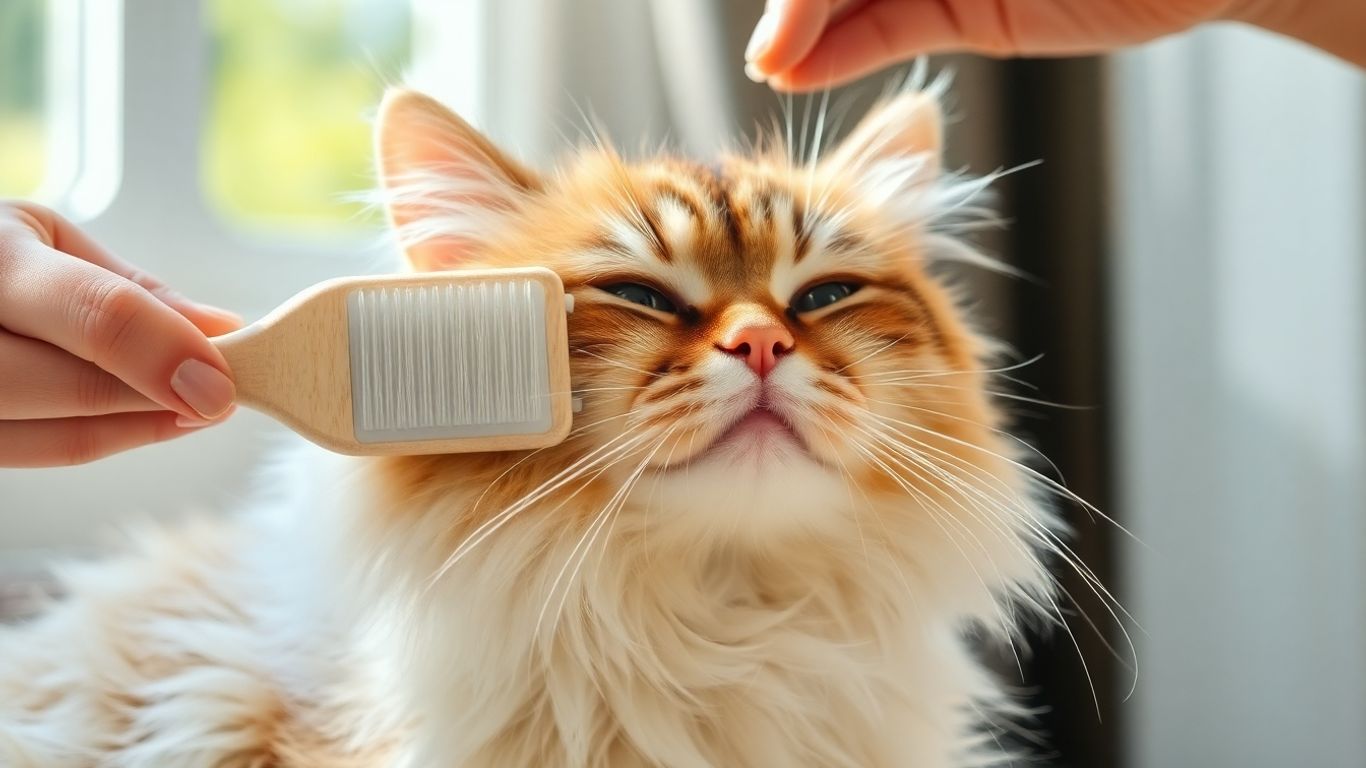
Keeping your cat looking and feeling their best is a big part of being a responsible pet parent. It’s not just about making them look pretty; good grooming habits can actually help prevent health issues and make your cat more comfortable.
Brushing Your Cat’s Coat
Most cats are pretty good at keeping themselves clean, but they do need a bit of help from us, especially when it comes to their coats. Regular brushing is a fantastic way to cut down on shedding, stop those annoying mats from forming, and it’s a great bonding activity too. For shorthaired cats, a quick brush a couple of times a week is usually plenty. Longhaired cats, however, might need a daily brush to stop tangles from getting out of hand. Choosing the right brush is key; a slicker brush or a wide-toothed comb works wonders for most cats. It helps get rid of loose fur and any bits of debris that might have got stuck in there. Remember to be gentle, especially around sensitive areas like their belly or legs.
Nail Trimming Tips
Overgrown claws can be a real nuisance for cats. They can get caught on things, making it hard for them to walk properly, and they can even grow into their paw pads. You’ll want to get your hands on some cat-specific nail clippers – the scissor-type ones are usually easiest to handle. You only need to trim the very tip of the nail, avoiding the pink bit, which is called the quick. That quick contains blood vessels and nerves, so cutting it will hurt your cat and cause bleeding. If you’re a bit nervous about this, don’t be afraid to ask your vet or a groomer to show you how it’s done. A good rule of thumb is to trim them every 2-3 weeks, but this can vary depending on your cat’s activity levels. You can find some helpful tips on how to trim your cat’s nails.
When To Seek Professional Help
While most grooming can be done at home, there are times when it’s best to call in the professionals. If your cat has really severe matting that you can’t get out, or if they have skin issues like lumps, bumps, or persistent irritation, it’s definitely time to see a vet. They can also help if your cat becomes extremely stressed or aggressive during grooming sessions, as this can make the process unsafe for both of you. Sometimes, a professional groomer can also offer services like deep cleaning or de-shedding treatments that are hard to replicate at home. Don’t feel bad about asking for help; it’s all about making sure your cat is happy and healthy.
Grooming isn’t just about looks; it’s a vital part of keeping your cat healthy and comfortable. Regular brushing reduces shedding and hairballs, while proper nail care prevents discomfort and potential injuries. Making these practices a routine can significantly improve your cat’s overall well-being and strengthen your bond.
Health And Veterinary Care
Looking after your cat’s health is a big part of being a responsible owner. It’s not just about feeding them and cleaning their litter box; regular vet visits are super important.
Finding a Cat-Friendly Vet
When you first get your cat, or if you’re moving, finding a good vet is one of the first things you should do. You want someone who really understands cats, not just dogs. A vet who’s good with cats will have a calmer clinic, maybe even a separate waiting area so your cat doesn’t get stressed out by dogs. Ask friends or local cat groups for recommendations. A vet who makes your cat feel at ease is worth their weight in gold.
Routine Check-Ups And Vaccinations
Your cat should see the vet at least once a year for a general check-up. This is where they’ll give your cat a once-over, check their weight, listen to their heart, and look at their teeth. It’s also when they’ll discuss vaccinations. Even indoor cats need them, as diseases can still find their way in. Your vet will advise on which ones are best for your cat’s lifestyle.
- Annual Wellness Exams: A yearly visit to catch any potential issues early.
- Vaccinations: Protection against common feline diseases.
- Parasite Prevention: Discussing flea, tick, and worm treatments with your vet.
It’s easy to think your cat is fine if they’re acting normally, but cats are really good at hiding when they’re not feeling 100%. Regular vet visits help catch problems before they become serious.
Parasite Prevention
Parasites like fleas, ticks, and worms are a nuisance and can cause health problems. Even indoor cats can pick them up, perhaps from shoes or if another pet in the house goes outside. Your vet will recommend the best products to keep your cat protected. They might also suggest bringing in a stool sample every so often to check for internal parasites, especially if your cat has any tummy troubles. Keeping up with preventive care for your cat is key to a long and healthy life.
Keeping Your Indoor Cat Safe
So, you’ve decided your furry friend is going to be an indoor-only cat. Smart move! Honestly, keeping cats inside is the safest bet for them. Outside, they face all sorts of dangers – cars, fights with other animals, nasty diseases, and even getting lost. It’s just a much riskier world out there for a domestic kitty.
The Importance Of Indoor Living
Keeping your cat indoors means they’re protected from traffic accidents, predatory animals, and the parasites and illnesses that outdoor cats often pick up. It’s a much more controlled environment where you can manage potential risks. Plus, think about it – no more worrying about them getting into scraps or catching something nasty. It really does give you peace of mind, knowing they’re safe and sound within your four walls. It’s about giving them the longest, healthiest life possible.
Identification For Peace Of Mind
Even though they’re staying inside, accidents can happen. A door left ajar, a window accidentally left open – it only takes a second for a curious cat to slip out. That’s why making sure your cat is identifiable is super important. A microchip is a permanent form of identification that can be scanned by vets or shelters if your cat ever goes missing. It’s a small procedure, but it can make all the difference in getting them back home safely. Alongside a microchip, a collar with an ID tag is also a good idea, but make sure it’s a safety collar that breaks away if it gets snagged on something. You can find more info on keeping your cat identified at pet identification.
Hazard-Proofing Your Home
Your home is your cat’s whole world, so it’s up to you to make sure it’s a safe one. Think like a cat – what looks interesting to bat around or chew on?
- Toxic Plants: Many common houseplants are poisonous to cats. Do a quick check and remove any that could cause harm. Things like lilies, daffodils, and even some succulents can be really dangerous.
- Chemicals and Medicines: Keep cleaning supplies, medications (for humans and pets), and even things like antifreeze well out of reach. Store them in secure cupboards.
- Electrical Cords: Some cats love to chew on cords. Tuck them away, use cord covers, or even a bit of double-sided tape on them can deter chewing.
- Small Objects: Little things like hair ties, rubber bands, or small toy parts can be choking hazards or cause internal blockages if swallowed. Keep these tidied away.
Cats are naturally curious and can get into places you wouldn’t expect. A little bit of preventative thinking goes a long way in keeping them out of trouble and safe from harm.
So, You’ve Got This!
Right then, that’s pretty much the lowdown on keeping your indoor cat happy and healthy. It might seem like a lot at first, but honestly, once you get into the swing of things, it becomes second nature. Providing a safe little haven, feeding them the good stuff, keeping their litter box clean, and having a bit of fun with toys – it all adds up. Don’t forget those vet check-ups, they’re important too. Just remember, your cat relies on you for everything, and with a bit of patience and love, you’ll be a pro cat parent in no time. Enjoy the journey with your furry mate!
Frequently Asked Questions
What are the absolute must-have items for a new cat?
You’ll need a comfy bed, a secure carrier for trips, food and water bowls (ceramic or stainless steel are best), a litter box with a scoop, and unscented litter. Don’t forget scratching posts or boards – cats really need these to keep their claws healthy and satisfy their natural urges. Cat trees are also a great idea for them to climb and feel safe.
How often should I feed my cat and what’s the best food?
Most adult cats do well with being fed twice a day. It’s really important to choose a high-quality cat food that’s rich in protein and low in carbs, as cats are natural carnivores. Your vet can help you pick the best food based on your cat’s age and health. Always make sure they have fresh, clean water available too!
Why is keeping my cat indoors so important?
Keeping your cat inside is much safer for them. Outdoor cats face dangers like traffic accidents, fights with other animals, and getting diseases. Indoors, they’re protected from these risks, and also less likely to pick up fleas or ticks. It significantly increases their lifespan and overall well-being.
How do I introduce my cat to their new home and litter box?
Start by setting up a quiet, safe space for your cat with their food, water, bed, and litter box. Let them explore this area first. It’s best to have one litter box per cat, plus an extra one, placed in a quiet, easy-to-reach spot. Keep it clean by scooping daily and changing the litter regularly. Avoid strong smells like lemon when cleaning it.
What kind of toys and activities does my cat need?
Cats need mental and physical stimulation! Interactive toys, like puzzle feeders that dispense treats, are fantastic for engaging their minds. Simple things like a cardboard box or a paper bag can be loads of fun too. A window perch or cat tree lets them watch the world go by, which they often love. Regular playtime with you is also crucial for bonding and keeping them happy.
How often should my cat see a vet?
It’s a good idea to take your cat for regular check-ups, usually once a year, so your vet can catch any potential health problems early. They’ll also advise you on necessary vaccinations and parasite prevention. Don’t wait too long if you suspect your cat is unwell, as they can hide their illnesses quite well.
