

Getting a new puppy is a massive, exciting step! You’ve got a furry friend joining the family, and that’s brilliant. But let’s be honest, it can also feel a bit like being thrown in at the deep end. There’s so much to think about, from what they eat to how they behave. This guide is here to help you get started on the right foot, making sure you and your new pup have a smooth journey towards becoming a perfect puppy team.
Key Takeaways
- Prepare your home and get all the necessary supplies before your new puppy arrives. This includes dog-proofing your space and setting up a safe, comfy spot for them.
- Start training and socialisation early. Focus on positive reinforcement, making learning fun and rewarding for your puppy.
- House training requires patience and a consistent routine. Crate training can be a great tool, and dealing with accidents calmly is important.
- Teach basic manners like ‘sit’, ‘stay’, and ‘come’, along with ‘leave it’. Gentle greetings and polite play are also vital for a well-behaved pup.
- Consistency is the name of the game. Keep training sessions short, make sure everyone in the household is on the same page, and always reward good behaviour.
Getting Started With Your Perfect Puppy
Bringing a new puppy home is a massive, exciting event! It’s the start of a brilliant adventure with a new furry family member. But let’s be honest, it can also feel a bit overwhelming. You’ve got a tiny, energetic creature who relies on you for everything. So, where do you even begin? This section is all about getting you set up for success right from the start, making sure your home is ready and you’ve got the basics sorted. It’s about laying the groundwork for a happy, well-adjusted dog and a stress-free experience for you. Remember, puppies are like little sponges at this age, soaking up everything around them. The first few weeks are a golden opportunity to build good habits and a strong bond.
Preparing Your Home For A New Arrival
Before your pup even steps a paw through the door, a bit of prep work goes a long way. Think of it like baby-proofing, but for dogs! You want to create a safe space where your puppy can explore without getting into too much trouble, and where you don’t have to constantly worry about them chewing something they shouldn’t.
Here’s a quick checklist to get you started:
- Puppy-Proofing: Get down on your hands and knees and look at your home from a puppy’s perspective. Secure loose electrical cords, move houseplants out of reach (some are toxic!), and put away anything valuable or chewable that you don’t want to become a toy. Think about blocking off areas you don’t want your puppy to access yet, using baby gates or closing doors.
- Designated Safe Space: Set up a comfy den for your puppy. This could be a crate, a dog bed in a quiet corner, or a playpen. This is their personal sanctuary where they can rest and feel secure. Make sure it’s in a relatively calm area of the house, away from heavy foot traffic.
- Potty Station: Decide where you’ll be taking your puppy to do their business outside. Having a designated spot from day one can help with house training later on. Make sure it’s easily accessible, especially during those frequent potty breaks.
Setting up your home properly from the outset minimises stress for both you and your new puppy. It helps them settle in faster and reduces the chances of accidents or destructive behaviour.
Essential Supplies For Your New Pup
Having the right gear ready makes life so much easier when your puppy arrives. You don’t need to go overboard, but a few key items will make a big difference.
- Food and Water Bowls: Stainless steel or ceramic are good choices as they’re easy to clean and durable. Make sure they’re the right size for your puppy – not too big, not too small.
- Collar/Harness and Lead: Get a lightweight collar with an ID tag (with your phone number!) and a lead. For smaller breeds or those prone to pulling, a harness might be a better option to start with. You can find out more about choosing the right gear.
- Bedding: A soft, comfortable bed is a must for their safe space. If you’re using a crate, get a bed that fits snugly inside.
- Toys: A variety of safe chew toys are important for teething puppies and for mental stimulation. Think puzzle toys, soft plush toys (without small parts that can be chewed off), and durable rubber toys.
- Grooming Tools: A soft brush, puppy-friendly shampoo, and nail clippers are good to have on hand. Getting your puppy used to being handled early on is a great idea.
Choosing The Right Food For Your Furry Friend
What you feed your puppy has a big impact on their health and development. It’s not just about filling their belly; it’s about providing the right nutrients for growth.
When you first bring your puppy home, it’s a good idea to find out what food they were eating at the breeder’s or rescue centre. Sudden changes in diet can upset a puppy’s stomach. If you do decide to switch foods, do it gradually over a week, mixing a little of the new food with the old and slowly increasing the proportion of the new food.
Look for a high-quality puppy food specifically formulated for their age and size. These foods contain the right balance of protein, fats, vitamins, and minerals to support their rapid growth. Your vet is always the best resource for advice on nutrition, so don’t hesitate to ask them what they recommend for your specific puppy.
The Foundations Of A Perfect Puppy
Right then, you’ve got your little bundle of fluff home, and it’s all very exciting. But before you get too carried away with cuddles (though, let’s be honest, there will be a lot of those), it’s time to start thinking about the building blocks for a well-behaved, happy dog. This isn’t about turning them into a robot; it’s about helping them understand the world and your expectations, all while strengthening that bond between you two. Think of it as setting them up for success, right from the get-go.
Understanding Puppy Socialisation
This is a big one, and it’s often misunderstood. Socialisation isn’t just about letting your pup meet every dog and person they see. It’s about gently introducing them to a wide variety of sights, sounds, smells, and experiences in a way that makes them feel safe and confident. The goal is to help them become a well-adjusted dog who isn’t fazed by everyday life. Imagine taking your pup to a quiet cafe and letting them relax while people and traffic go by – that’s the kind of positive exposure we’re talking about. It helps them learn that the world isn’t a scary place.
Building a Bond Through Play
Playtime is so much more than just fun and games. It’s a brilliant way to connect with your puppy, teach them boundaries, and channel all that boundless energy. Games like fetch or gentle tug-of-war can be fantastic for this. When you initiate and make play exciting, your puppy will start looking forward to these sessions. It’s a two-way street; you’re learning about your pup’s preferences, and they’re learning to engage with you in a positive way. This shared activity is where some of the strongest bonds are forged.
Positive Reinforcement For a Happy Pup
This is the golden rule of modern dog training. Instead of focusing on what you don’t want your puppy to do, we focus on rewarding the behaviours we do want. When your pup does something right – maybe they sit when asked, or they chew their toy instead of your shoe – give them a treat, some praise, or a quick game. This makes them more likely to repeat that good behaviour. It’s all about making training a positive experience for both of you, building trust and encouraging your puppy to want to please you. It’s much more effective than any kind of punishment, which can just lead to fear and confusion.
Remember, puppies are still learning about the world and how to behave. They have short attention spans and can get overwhelmed easily. Keep training sessions short, fun, and always end on a positive note. This approach builds confidence and a willingness to learn, rather than anxiety or a dislike for training.
House Training Your Perfect Puppy
Right then, let’s talk about the nitty-gritty of house training. It’s probably one of the first things on your mind when you bring a new pup home, and honestly, it can be a bit of a rollercoaster. But don’t you worry, with a bit of patience and a solid plan, you’ll get there. The key is consistency and understanding your puppy’s needs. It’s not about punishing accidents, but about setting your pup up for success from the get-go.
Making Crate Training a Positive Experience
Crates can be a brilliant tool, but only if they’re introduced properly. Think of it as a safe den for your puppy, not a prison. Start by making it a comfy spot with soft bedding and maybe a chew toy. Feed your puppy their meals inside the crate with the door open. Gradually, you can start closing the door for short periods while you’re around. The goal is for your puppy to choose to go in there and feel secure. If your pup seems anxious, it means you’re going too fast. Slow it right down and make it a happy place.
Establishing a Potty Routine
This is where the real magic happens. Puppies have tiny bladders and need frequent trips outside. You’ll want to take your pup out first thing in the morning, last thing at night, and crucially, after they wake up from a nap, after playing, and after eating. When they do their business outside, make a fuss! Lots of praise and a tasty treat will help them understand that’s exactly what you want. Setting up a regular schedule is the bedrock of successful housetraining. You can find more tips on creating a solid routine here.
Here’s a simple routine to get you started:
- Morning: First thing out the door for a potty break.
- After Meals: Within 15-30 minutes of finishing their food.
- After Naps: As soon as they stir and are awake.
- After Playtime: When a play session winds down.
- Evening: Just before bedtime.
Dealing With Accidents and Setbacks
Accidents are going to happen. It’s just part of the puppy package. The most important thing is not to scold or punish your puppy after the fact. They won’t understand why they’re in trouble. If you catch them in the act, a sharp "Oops!" and scooping them up to take them outside is the best approach. Clean up any messes thoroughly with an enzymatic cleaner to get rid of the smell, otherwise, they might be tempted to go there again. Sometimes, puppies might seem to regress, especially during stressful times or changes. This is called potty training regression, and it’s usually temporary. Just go back to basics, increase your potty breaks, and keep those rewards coming. It’s a marathon, not a sprint!
Basic Manners For Your Perfect Puppy
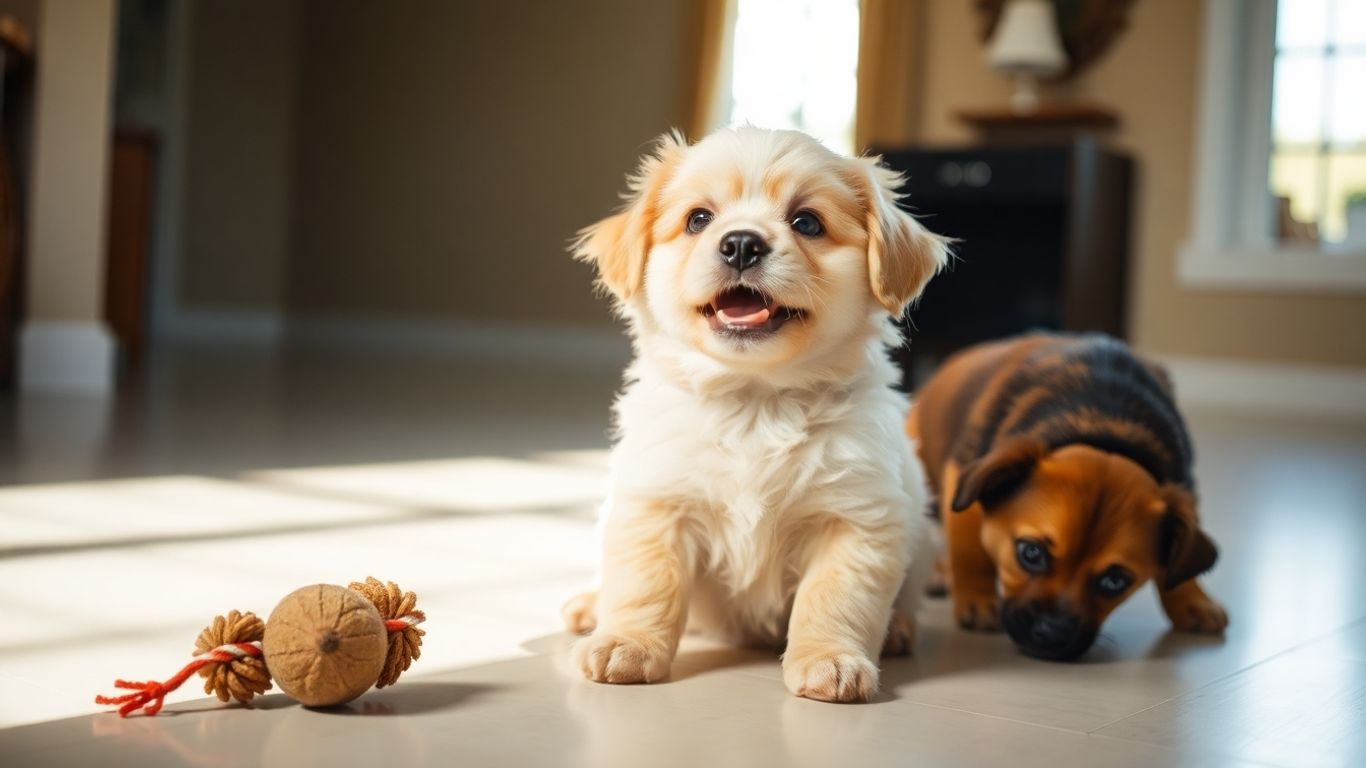
Right then, you’ve got your adorable fluffball, and they’re starting to settle in. Now’s the time to teach them a few bits and bobs that’ll make life smoother for everyone. It’s not about turning them into a robot, but more about helping them understand how we humans like things done, and for them to feel confident doing it. Think of it as learning the house rules, but with more tail wags.
Teaching Sit, Stay, And Come
These three are like the golden trio of puppy manners. ‘Sit’ is a great starting point. Ask for a sit when your pup is standing, and when their bum hits the floor, praise them and give a little treat. Easy peasy. ‘Stay’ is a bit trickier and needs patience. Start with just a second or two, with your pup in a sit or down, and reward them for holding still. Gradually increase the time and distance. Finally, ‘Come’ is a lifesaver. Always make coming to you the best thing ever. Use a happy, excited voice, and have a tasty reward ready. Never punish your puppy if they eventually come to you after you’ve called them, even if they took ages. You want them to associate coming to you with good things, not a telling-off.
The Importance Of ‘Leave It’
This one is super handy for stopping your pup from snaffling things they shouldn’t. It could be a dropped bit of food, a tempting bit of fluff, or something yucky they’ve found on a walk. Start by holding a treat in your closed fist. Let your pup sniff and lick, but don’t let them have it. The moment they back off, even for a second, open your hand and give them the treat. Then, progress to placing a treat on the floor and covering it with your hand. Reward them for leaving it alone. This teaches them that good things come from ignoring the forbidden item and looking to you instead.
Gentle Greetings And Polite Play
Puppies can be a bit boisterous when they meet new people or other dogs. We want to teach them that jumping up or being overly grabby isn’t the way to go. For greetings, if your pup jumps, calmly turn away. Only give them attention when all four paws are on the floor. For play, especially with other dogs, keep an eye on the interaction. If it gets too rough or one pup is clearly uncomfortable, it’s time to call them off for a short break. Teaching them to play nicely means they’ll have more positive experiences with others.
Remember, consistency is your best mate here. If one person lets the pup jump up for a cuddle, but another tells them off, your puppy will get confused. Try to get everyone in the household on the same page with these basic manners. Short, fun training sessions are much better than long, drawn-out ones. Keep it positive, and celebrate those little wins!
Socialising Your Perfect Puppy
Right then, let’s talk about getting your little furball used to the big wide world. Socialising your puppy isn’t just about letting them meet other dogs, though that’s part of it. It’s about helping them feel safe and confident with all sorts of new things. Think of it as building their confidence for life. This is super important, especially in those early weeks. The period between 7 and 16 weeks is a real sweet spot for this, where they’re like little sponges, soaking up experiences that shape how they’ll be as grown-ups. Getting this right can help stop them from becoming fearful or anxious later on.
Introducing New Sights and Sounds
Your puppy’s senses are going to be bombarded when they first come home. It’s a lot! Start small. Let them hear everyday noises from a distance – the washing machine, the telly, traffic outside. Don’t force them to get close if they seem worried. Just let them observe. You can even play recordings of different sounds at a low volume while they’re eating or playing. The goal is for them to associate these new noises with good things, not scary ones. Gradually, you can bring the sounds a bit closer or make them a little louder, always watching your puppy’s reaction. If they seem stressed, back off. We want them to be curious, not terrified.
Meeting New People and Pups
When it comes to meeting new humans, again, start slow. Have friends or family members visit, but ask them to ignore the puppy at first. Let your pup approach them on their own terms. Once your puppy is comfortable, they can offer a treat or a gentle pat. Avoid overwhelming them with too many people at once. For meeting other dogs, it’s best to arrange controlled playdates with known, vaccinated, and friendly dogs. A busy dog park can be too much too soon. A calm introduction in a neutral space is ideal. Watch their body language closely – stiff tails, pinned ears, or excessive lip licking can be signs of stress.
Navigating Different Environments Confidently
Once your puppy is comfortable with the basics, it’s time to explore. Take them to different places, but keep it positive. A quick trip to a quiet shop where they can just sit and observe, or a short walk on a different street, can be really beneficial. Think about different surfaces too – grass, pavement, gravel. Let them experience these underfoot. Remember that the world can be a bit much for a little pup, so keep these outings short and sweet. The idea is to build positive associations with new places, not to exhaust or scare them. A tired, happy puppy is a good puppy, but an overwhelmed one needs a break.
It’s all about positive experiences. If your puppy has a bad encounter with a loud noise or an overexcited dog, it can take a while to overcome. So, be mindful of their limits and always aim to make new experiences pleasant and safe. This helps them grow into a well-adjusted dog who isn’t afraid of the world around them.
Consistency Is Key For A Perfect Puppy
Right, so you’ve been doing all the training, playing games, and generally being a super-duper puppy parent. That’s brilliant! But here’s the thing: all that hard work can go a bit pear-shaped if you’re not consistent. It sounds simple, but it’s probably the most important bit of advice you’ll get. Puppies thrive on routine and knowing what to expect. If you’re sometimes okay with them jumping on the sofa and other times not, they’ll just get confused. Think of it like learning a new language – you wouldn’t learn a few words one day and then forget them the next, would you?
Keeping Training Sessions Short And Sweet
Nobody, especially a bouncy puppy, wants to sit through a long, drawn-out training session. Their attention spans are tiny, like a gnat’s. Aim for short bursts, maybe 5-10 minutes max, a few times a day. It’s much better to do a quick ‘sit’ before dinner than a half-hour slog that ends with you both frustrated. Keep it fun, keep it positive, and stop before your pup gets bored or distracted. That way, they’ll always look forward to the next little training game.
Ensuring Everyone Is On The Same Page
This is where things can get a bit tricky, especially if you’ve got a whole family involved. If one person lets the puppy get away with chewing shoes, and another scolds them for it, the poor pup hasn’t got a clue what’s going on. Have a chat with everyone who interacts with your puppy. Decide on the rules – what’s allowed, what’s not, and what the commands are. Write it down if you have to! A united front makes training so much easier and stops your puppy from getting mixed messages.
Rewarding Good Behaviour Consistently
When your puppy does something right, like sitting when asked or going to the toilet outside, you need to reward them. And not just sometimes. Every time, at least when they’re learning. This is how they learn what you like. The reward doesn’t have to be a big fuss; it could be a small treat, a quick pat, or a happy word. The key is that the reward happens immediately after the good behaviour, so they connect the two. If you wait too long, they won’t know what they’re being praised for.
Puppies learn best when they have a clear understanding of what is expected of them. This clarity comes from consistent rules, routines, and responses from their humans. When expectations are clear and rewards are predictable, puppies feel more secure and are more likely to repeat desired behaviours. It’s about building trust through predictability.
Here’s a quick rundown of what consistency looks like:
- Routine: Regular feeding times, potty breaks, and sleep schedules help puppies feel secure.
- Commands: Always use the same word for the same action (e.g., ‘sit’, not ‘sit down’ one minute and ‘sit’ the next).
- Rules: What’s allowed on the furniture? What happens when the doorbell rings? Everyone needs to agree.
- Rewards: Make sure good behaviour is always acknowledged, especially in the early stages.
- Corrections: If you need to correct unwanted behaviour, do it calmly and consistently, and always follow up with guidance on what they should be doing.
So, You’ve Got This!
Right then, bringing a new pup into your life is a proper adventure, isn’t it? We’ve covered a fair bit, from getting them settled in to teaching them the ropes. Remember, it’s not about having a perfectly behaved dog overnight. It’s about building a bond, having a laugh, and just being patient. Every dog’s a bit different, so take your time, celebrate the small wins, and don’t be afraid to ask for help if you need it. You’re doing great, and with a bit of consistency and a lot of love, you’ll have a cracking companion for years to come. Enjoy the journey!
Frequently Asked Questions
When is the best time to start training my puppy?
It’s best to start training your puppy as soon as you bring them home! Puppies are like little sponges when they’re young, soaking up information and forming habits. The earlier you begin, the easier it is to teach them good behaviours and prevent problems down the line. The period between birth and about 12-16 weeks is especially important for learning and getting used to the world.
What are the most important things to teach a puppy?
You’ll want to focus on a few key areas. House training is a must, so they learn where to do their business. Socialisation is super important too, helping them feel comfy around different people, places, and sounds. Basic commands like ‘sit’, ‘stay’, and ‘come’ are also vital for safety and communication. And don’t forget positive bonding through play!
How do I make crate training a positive experience?
Think of the crate as your puppy’s safe den, not a punishment. Start by making it a comfy spot with soft bedding and maybe a favourite toy. Feed them meals inside or give them special treats only when they’re in the crate. Never force them in, and always let them out when they need to go potty. Gradually increase the time they spend inside, keeping sessions short and positive.
What’s the best way to handle accidents during house training?
Accidents will happen, so try not to get too upset! The key is to clean them up thoroughly with a special cleaner that removes the smell so they don’t go there again. If you catch them in the act, interrupt them gently and immediately take them outside to their designated potty spot. Praise them if they finish outside.
How much socialisation does my puppy need?
Socialisation is all about helping your puppy feel confident and safe in all sorts of situations. This means introducing them gradually and positively to new sights, sounds, people (of all ages and appearances!), and well-behaved dogs. Take them to different places like parks (when they’re fully vaccinated), pet-friendly shops, and even quiet cafes. Always keep experiences positive and don’t push them too fast.
Why is consistency so important in puppy training?
Dogs learn best when things are predictable. Consistency means using the same commands and cues every time, and making sure everyone in the household follows the same rules. If one person lets the puppy on the sofa and another doesn’t, it can be very confusing for them. Consistent training helps your puppy understand what’s expected and builds trust.
