

Keeping your dog safe from fleas and ticks is super important, and thankfully, there are loads of options out there. It’s not just about making your furry pal comfy, but also about stopping those nasty little critters from causing bigger health problems. We’ll look at some of the best flea treats for dogs and other ways to keep your canine companion protected all year round. Let’s get your pooch sorted!
Key Takeaways
- Oral flea treatments, often given as tasty chews, are a popular and effective way to protect your dog, usually administered monthly.
- When starting flea and tick treatment for puppies, it’s best to consult your vet, as most treatments are suitable from around 8 weeks old.
- Preventing flea and tick infestations is generally easier and cheaper than treating them once they’ve taken hold.
Choosing The Right Flea Treats For Dogs
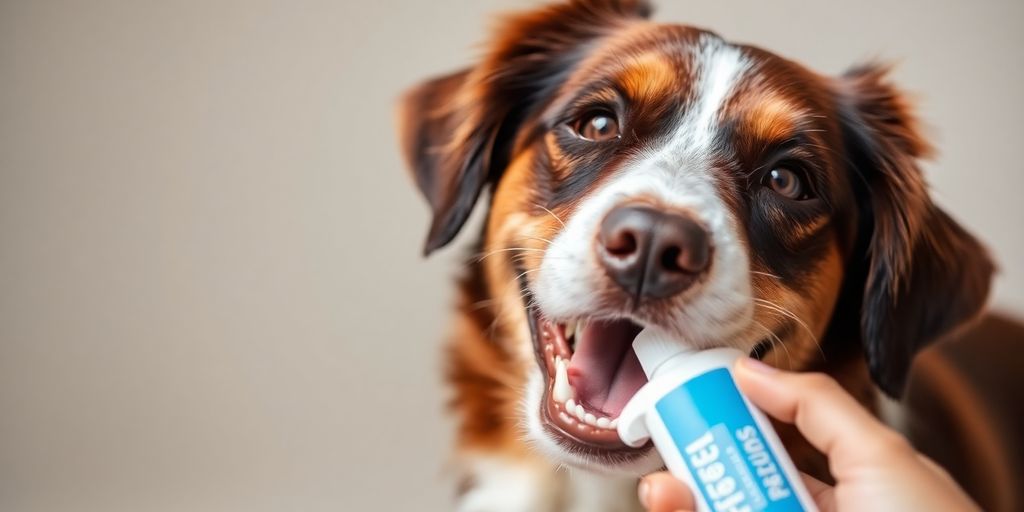
So, you’ve decided to go the treat route for flea and tick prevention – smart move! It’s a pretty straightforward way to keep your furry friend protected. But with so many options out there, how do you pick the best one? Let’s break it down.
Understanding Flea Treatments: What Works Best?
When you’re looking at flea and tick treatments, you’ll notice they come in a few different forms. You’ve got your topical treatments, which you apply directly to your dog’s skin, usually between the shoulder blades. These are generally good at killing adult fleas, and some also stop the little flea eggs from hatching. Then there are flea collars, which are coated in chemicals. Some of these release a gas to repel fleas, though some dogs might just learn to avoid the neck area. Others work by chemicals being absorbed into the skin to kill fleas when they bite. Honestly, the effectiveness and safety of collars can be a bit of a mixed bag, so it’s always worth a chat with your vet about them.
Oral treatments, like the chewable tablets or tasty treats, are often a favourite because they’re easy to give. Dogs tend to gobble them up without a fuss. These can be really effective, and many are designed to protect your dog for a whole month. Some even tackle internal parasites like heartworm, which is a nice bonus and means fewer treatments to remember.
It’s worth remembering that fleas are sneaky. They can lay eggs that fall off your dog and into your carpets or furniture. These eggs hatch, and then you’ve got more fleas ready to jump on your dog for a snack and start the cycle all over again. Prevention is definitely easier and cheaper than dealing with a full-blown infestation, so staying on top of it is key.
Here’s a quick look at what to consider:
- Age and Weight: Always check the product label to make sure it’s suitable for your dog’s age and weight. Puppies need special, gentler treatments.
- Type of Parasites: Does it just kill fleas, or does it also protect against ticks, mosquitoes, or even internal worms? Think about what’s common in your area.
- Frequency: Most treatments last a month, but some might be longer. Pick something you can stick to – consistency is everything!
- Vet Recommendation: Your vet knows your dog’s health history and what works best locally. They’re your best resource for choosing the right product.
It’s really important to remember that no flea treatment is 100% foolproof. Even with the best prevention, you might still get the odd breakthrough. So, keep up with regular checks of your dog’s coat, especially after walks in grassy or wooded areas.
When To Start Flea And Tick Treatment For Puppies
Getting a new puppy is exciting, but it also means getting started with their flea and tick prevention right away. Puppies can unfortunately become little flea factories quite quickly, and you don’t want an infestation taking hold in your home. Generally, you’ll want to start flea and tick treatment when your puppy is around 8 weeks old, provided they meet the minimum weight requirement for the specific product, which is often around 2.8 pounds. Always double-check the packaging or, even better, ask your vet. They can guide you on the safest and most effective products for very young dogs, as their systems are still developing. It’s a good idea to get advice on choosing the right cat collar if you also have a feline friend, as their needs can differ.
Starting early is the best way to protect your puppy from those pesky parasites and the diseases they can carry. Plus, it helps prevent your home from becoming a breeding ground for fleas.
Keeping Your Pooch Pest-Free
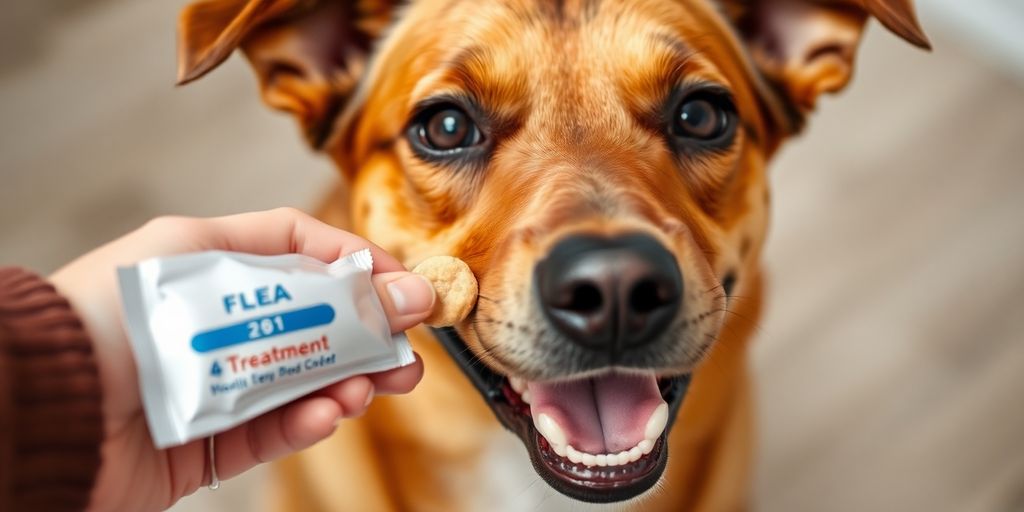
Let’s face it, nobody wants their furry friend to be a walking buffet for fleas and ticks. These little critters aren’t just a nuisance; they can actually cause some serious health problems for your dog, and let’s not even think about them potentially making their way into your home or onto you! The good news is that keeping your dog protected is much easier than you might think, especially with the range of treatments available these days.
The Benefits Of Oral Flea Treatments
Oral flea treatments, often given as tasty chews, are a really popular choice for a reason. They’re super simple to administer – just like giving your dog a treat! This means no more wrestling matches trying to apply messy topical treatments or worrying about your dog licking it off before it can work. Plus, they offer protection from the inside out, tackling fleas and ticks even before they get a chance to bite. Many of these treatments also cover internal parasites like heartworm, which is a massive bonus.
- Convenience: Easy to give, no mess involved.
- Effectiveness: Works systemically to kill parasites.
- Comprehensive Protection: Often covers multiple types of parasites.
It’s worth remembering that consistency is key. Fleas and ticks don’t just disappear when the weather gets colder; they can be around all year, especially with milder winters. So, sticking to a regular treatment schedule is the best way to keep your dog safe and comfortable, no matter the season. If you’re unsure about the best option for your dog, having a chat with your vet is always a good idea. They can help you pick the right product based on your dog’s age, weight, and any specific health needs.
Natural Flea And Tick Prevention For Dogs
While treatments are great, many owners also like to explore natural ways to keep pests at bay. Prevention is definitely easier than dealing with an infestation! Think about using natural repellents or ensuring your dog’s environment is less inviting to fleas and ticks. This could involve regular grooming with a flea comb to catch any early arrivals, or even using certain natural sprays that are safe for dogs. Keeping your home clean, especially vacuuming carpets and washing pet bedding regularly, also makes a big difference. It’s all about creating a less hospitable environment for those pesky critters. For example, some owners find that certain natural supplements can help make their dog’s skin and coat less appealing to fleas. It’s a good idea to research natural flea and tick prevention for dogs to see what might work best for your furry friend.
It’s always better to try and keep pests away from your dog in the first place. A proactive approach can save you and your pet a lot of hassle down the line. Regular checks and a clean environment go a long way!
So, What’s the Takeaway?
Right then, keeping those pesky fleas and ticks off your dog is a bit of a mission, isn’t it? We’ve looked at a few ways to tackle it, from the monthly chews that cover a lot of ground to the spot-on treatments. Remember, prevention is usually way easier than trying to get rid of an infestation once it’s taken hold. Chatting with your vet is always a good shout to figure out what’s best for your particular furry mate, especially considering their age and any other health bits. It might seem like a faff, but a bit of regular treatment means a happier, healthier dog, and that’s got to be worth it, hasn’t it?
Frequently Asked Questions
When should I start giving my puppy flea and tick treatment?
It’s generally a good idea to start protecting your puppy from fleas and ticks when they’re around eight weeks old. However, always have a chat with your vet first, as they can tell you the best time to start based on your puppy and where you live.
How do those flea-killing chews for dogs actually work?
Oral flea treatments, like tasty chews or tablets, are super effective because the medicine gets into your dog’s system. When a flea bites your dog, it ingests the medicine, which then gets rid of the flea. Many of these can also protect against other nasties like ticks and worms.
What’s the best way to stop fleas and ticks from bothering my dog in the first place?
Keeping your dog free from fleas and ticks is much easier and cheaper than dealing with an infestation later on. Regular preventative treatments, like monthly chews or spot-on treatments, are key. Plus, keeping your home clean and washing your dog’s bedding regularly helps a lot too!
