

Walking the dog is more than just a daily chore; it’s a fantastic chance to connect with your canine pal and keep them happy and healthy. But let’s be honest, sometimes it feels more like a wrestling match than a relaxing stroll. Whether you’re new to the whole dog ownership thing or you’ve had pups for years, getting the hang of walking the dog smoothly can be tricky. This guide is packed with simple tips and tricks to make your walks enjoyable for both you and your four-legged friend.
Key Takeaways
- Getting ready for your walks involves choosing the right gear, packing essentials like poop bags and water, and understanding your dog’s individual needs and energy levels.
- Regular walks are vital for keeping your dog physically fit, providing mental stimulation through new sights and smells, and building their confidence in different environments.
- Mastering loose leash walking is about building a partnership. Use positive reinforcement, keep your dog engaged with you, and reward them for walking nicely by your side.
- Make every step count by letting your dog explore and sniff, knowing when to pause or change direction to keep them focused and interested in the walk.
- Stay safe and make walks pleasant by being aware of your surroundings, considering the weather conditions, and always prioritising your dog’s well-being.
Getting Ready For Your Walkies
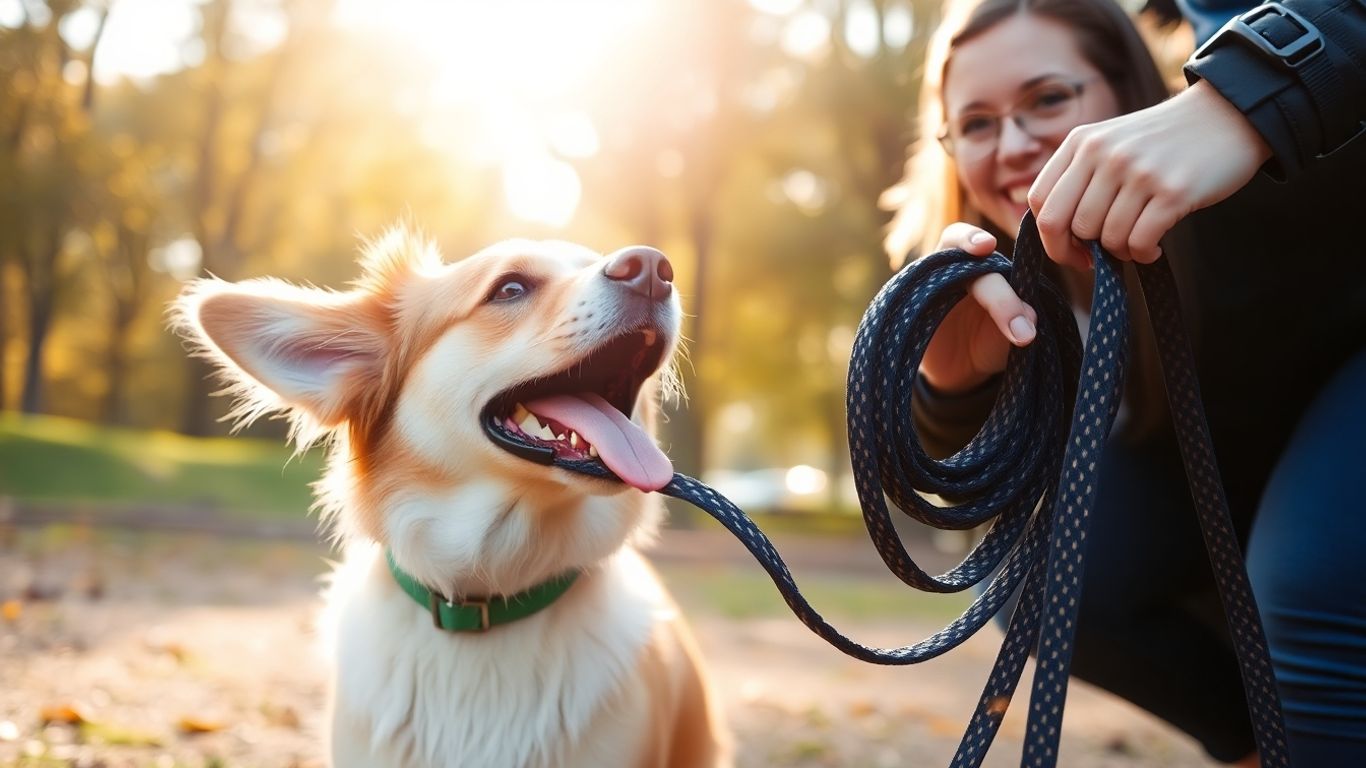
Right then, before we even think about hitting the pavement, let’s get you and your four-legged pal prepped for a cracking walk. It’s not just about grabbing the lead and heading out the door, you know. A bit of preparation goes a long way to making sure everyone has a good time, especially your dog. Think of it as setting the stage for a successful adventure, big or small.
Choosing The Right Gear
First things first, let’s talk kit. The right equipment makes all the difference between a pleasant stroll and a bit of a wrestling match. You want your dog to be comfy and secure, and you want to feel in control. A well-fitting collar or harness is your absolute must-have. If your dog’s a bit of a puller, a harness designed to discourage that can be a game-changer. And the leash? Ditch those flimsy retractable ones. A sturdy, fixed-length lead, about four to six feet long, gives you much better control and is generally safer. Don’t forget an ID tag on their collar with your details – just in case they decide to go on an unscheduled solo expedition.
Essential Items To Pack
So, you’ve got the main gear sorted. Now, what else should be in your walking pouch? It’s not a massive list, but these bits are super handy:
- Poop bags: Obvious, I know, but you’d be surprised how many people forget. Always, always clean up after your dog. It’s just good manners, and frankly, nobody wants to step in that!
- Treats or small rewards: These are brilliant for positive reinforcement. We’ll get onto that later, but having some tasty morsels to hand can really help with training and keeping your dog’s attention on you.
- Water and a portable bowl: Especially on warmer days, or if you’re going for a longer trek, keeping your dog hydrated is key. A collapsible bowl is a neat bit of kit.
A quick note for new puppy owners: don’t overdo it with the little ones. Their joints are still developing, so short, frequent walks are much better than one long slog. Twenty minutes might be plenty to start with, and you can build up as they get older and stronger.
Understanding Your Dog’s Needs
Every dog is an individual, right? What works for a bouncy Labrador might not be the best approach for a shy terrier. Before you even step outside, have a think about your dog’s personality and energy levels. Are they a seasoned explorer or a bit nervous about new sights and sounds? Do they have any health issues you need to consider? Knowing your dog is the first step to a happy walk. For younger pups, as we mentioned, their stamina is limited. Older dogs might need a gentler pace. And some breeds just naturally have more energy than others. Tailoring the walk to their specific needs means you’re both more likely to enjoy it. It’s about making the walk a positive experience for them, not just a chore for you.
The Importance Of A Good Stroll
Right then, let’s chat about why those daily walks are more than just a quick leg-stretch for your furry mate. Honestly, they’re a proper cornerstone of a happy, healthy dog’s life, and yours too! It’s not just about burning off energy, though that’s a big part of it. Think of it as a whole package deal for your dog’s well-being.
Keeping Them Fit And Healthy
First off, the obvious one: exercise. Regular walks are brilliant for keeping your dog in tip-top physical condition. They help manage their weight, which is super important for preventing all sorts of health problems down the line, like joint issues or heart trouble. Plus, it gets their blood pumping, keeping their cardiovascular system in good nick. It’s like their daily dose of fitness, and it really shows in their overall energy levels and how sprightly they are.
A Workout For Their Brains
But it’s not just about the muscles, is it? Walks are a massive mental workout for dogs. They experience the world through their noses, and every sniff is like reading a newspaper. All the new sights, sounds, and smells they encounter provide heaps of mental stimulation. This is so important for preventing boredom, which can often lead to mischief or unwanted behaviours at home. A tired dog is a good dog, and a mentally stimulated dog is a happy dog.
Building Confidence On The Go
Every walk is also a chance for your dog to build their confidence. Meeting new people, other dogs, or just exploring different environments helps them become more well-adjusted and less anxious. The more they experience the world in a positive way, the more secure they become. It’s about them learning that the world isn’t a scary place, but rather a fascinating one. This is particularly true for younger dogs or those who might be a bit timid. You can find some great tips on dog walking equipment that can help make these experiences even better for both of you.
Walks are a fantastic opportunity to reinforce your bond. It’s dedicated time where it’s just you and your dog, away from the distractions of home. This shared experience strengthens your connection and mutual trust, making your relationship even more solid.
Mastering Loose Leash Walking
Right then, let’s talk about the bane of many a dog owner’s existence: the dreaded leash pull. It can turn a lovely stroll into a wrestling match, leaving you with sore arms and a frustrated pup. But honestly, it doesn’t have to be that way. Loose leash walking is all about teaching your dog that walking nicely by your side is way more rewarding than yanking ahead. It’s not just about preventing you from being dragged down the street; it’s about building a proper partnership with your dog, where they’re actually paying attention to you and enjoying the walk with you, not just on you.
Why A Loose Leash Matters
So, why bother with all this fuss? Well, a loose leash means a more relaxed walk for everyone. For you, it means no more shoulder strain or feeling like you’re about to be pulled over by a furry speedboat. For your dog, it means they’re not constantly being corrected or feeling tension through the leash, which can actually make them more anxious or reactive. A loose leash is a sign of a calm, connected walk. It shows that your dog is comfortable, confident, and choosing to be with you, rather than being forced along. It’s the foundation for a more enjoyable and safer experience for both of you, especially when you encounter distractions like other dogs, cyclists, or tempting smells.
Positive Reinforcement Techniques
Forget the harsh corrections; we’re all about the good stuff here. Positive reinforcement is your best mate when it comes to teaching loose leash walking. This means rewarding your dog when they get it right. When the leash is slack, and your dog is trotting happily beside you, that’s your cue to shower them with praise, a tasty treat, or even a quick game of tug if that’s their jam. The key is consistency. Every time they walk nicely, they get a reward. If they pull, you simply stop. No yanking, no shouting, just a calm pause until the tension on the leash eases. Then, you start walking again. It sounds simple, but it really works. Think of it like this:
| Behaviour | Your Response |
|---|---|
| Leash is loose, dog by your side | Reward with treat and praise |
| Dog pulls ahead | Stop walking immediately |
| Dog returns to your side | Resume walking and reward |
Keeping Them Engaged With You
To stop your dog from just forging ahead like they’re on a mission, you need to make yourself more interesting than the lamppost they’re desperate to sniff. This is where engagement comes in. Use high-value treats – the really good stuff they only get on walks – or a favourite toy to keep their attention. Practice little cues like ‘watch me’ or ‘with me’ and reward them for looking at you or staying close. You can even use their sniffing time as a reward. Let them have a good sniff for a few seconds, then call them back to your side with a cheerful tone, and reward them when they come. Changing direction unexpectedly can also work wonders. If they’re pulling off to the left, suddenly turn right. This makes them pay attention to where you’re going and keeps them thinking about you, rather than just the pavement ahead.
Remember, training a dog is a marathon, not a sprint. There will be days when your dog seems to have forgotten everything you’ve taught them. That’s normal! Just take a deep breath, stay patient, and go back to basics if you need to. Celebrate the small wins, and don’t get discouraged by the setbacks. Your dog is learning, and so are you.
Making Every Step Count
Right then, let’s talk about making those walks truly count. It’s not just about getting from A to B, is it? Every outing is a chance for your dog to learn, explore, and just be a dog. We want these strolls to be enriching experiences, not just a quick dash around the block. Think of it as their daily dose of adventure and mental stimulation.
Letting Them Sniff And Explore
Honestly, sniffing is like reading the newspaper for your dog. They’re gathering all sorts of information about their world – who’s been around, what’s new, all sorts of gossip! So, don’t rush them through it. Let them have a good old sniff. It’s a really important part of their day and helps them feel more settled and less anxious.
Allowing your dog ample time to sniff isn’t just about letting them do their business; it’s a vital part of their mental well-being. It allows them to process their environment and reduces stress.
When To Stop And Start Again
This is where you become a bit of a mind-reader. If your dog suddenly freezes, ears pricked, staring intently at something, it’s probably worth stopping to see what’s caught their attention. It could be another dog, a squirrel, or even just an interesting smell. Stopping allows them to investigate safely and gives you a moment to assess the situation. If they’re pulling ahead relentlessly, that’s your cue to pause. Only start walking again when the leash slackens. This teaches them that pulling doesn’t get them where they want to go, but walking nicely does.
Here’s a little guide:
- Dog is pulling hard: Stop walking. Wait for slack. Resume.
- Dog is distracted and staring: Pause. Let them observe (if safe). Reward calm observation. Resume.
- Dog is happily sniffing: Let them! This is good stuff.
- Dog is showing signs of stress (tail tucked, lip licking): Move away from the trigger and offer comfort.
Changing Direction To Keep Them Focused
Sometimes, a simple change of scenery can work wonders. If your dog is getting a bit too focused on something else, or if the walk is becoming a bit predictable, try a sudden, gentle change of direction. This can snap them back to you and remind them that you’re the one leading the adventure. It keeps them on their toes and encourages them to pay attention to where you’re going. It’s a bit like a little game of follow-the-leader, and most dogs enjoy that!
Navigating The Great Outdoors
Right then, let’s talk about heading out into the big wide world with your canine pal. It’s not just about getting from A to B, is it? It’s about making sure you both have a cracking time while staying safe and sound. We’ve all seen those dog walkers who seem to be in their own little bubble, oblivious to what’s going on around them. Being aware of your surroundings is absolutely key to a happy and safe outing.
Being Aware Of Your Surroundings
This is where you need to have your wits about you. Think of it like this: your dog experiences the world through their nose, and you experience it through your eyes and ears. You need to be tuned into both. When you’re out and about, especially if you’re near roads, keep an eye on what’s happening. Are there cars coming? Cyclists whizzing past? Other dogs that might be a bit too friendly or, let’s be honest, a bit grumpy?
It’s a bit like driving, really. You’re constantly scanning, checking mirrors, looking ahead. For us humans, it might take a little bit of the relaxation out of the walk, but it’s so important. You need to be ready to react. Sometimes, this means being prepared to do things that don’t feel natural, like quickly pulling your dog to one side if a car comes a bit too close. It’s all about anticipating potential problems before they even happen.
Dogs are brilliant at picking up on our vibes. If you’re tense and worried, they’ll feel it. So, try to stay as calm and observant as you can. A relaxed owner usually means a relaxed dog, even when you’re out in busy places.
Considering The Weather Conditions
Now, the weather. It can be a real game-changer for your walkies, can’t it? We’ve all had those days where you step outside and think, ‘Crikey, it’s a scorcher!’ or ‘Brrr, it’s absolutely freezing!’
Here’s a quick rundown of what to think about:
- Hot Weather: If it’s over 80 degrees Fahrenheit (that’s about 27 Celsius), it’s probably best to stick to early mornings or late evenings when it’s cooler. Even then, carry water for both of you. Pavement can get incredibly hot and burn your dog’s paws. If it’s humid, 75 degrees (24 Celsius) can feel much hotter, so be extra careful. If it’s really sweltering, maybe a short potter in the garden or a session with the fan is a better bet.
- Cold Weather: Don’t forget that your dog can get cold too, especially short-haired breeds or older dogs. A little dog coat might be a good idea. Watch out for ice and grit on the pavements, which can irritate paws.
- Rainy Days: Wellies and a good waterproof jacket are a must for you! For your dog, a quick rinse-off afterwards is usually a good idea, especially if they’ve been splashing in muddy puddles.
Safety First For Your Pooch
This ties into everything we’ve just discussed. Safety is paramount. One of the most important things, especially if you’re walking on roads, is to walk facing the oncoming traffic. This way, you can see cars coming, and if the driver doesn’t see you, you have a better chance of getting out of the way. Walking with traffic means you can’t see or hear what’s coming up behind you, and that’s just asking for trouble.
Here are a few more safety pointers:
- Collar Check: Make sure your dog’s collar is fitted correctly. It shouldn’t be too tight or too loose. If you use a martingale collar, ensure it’s adjusted properly – they’re not meant to be worn all the time, and definitely not as a permanent fixture.
- Identification: Always have ID tags on your dog’s collar with your phone number. Microchipping is great, but a tag is an immediate way for someone to contact you if your dog gets lost.
- Road Walking Times: If you have to walk on a busy road, try to do it outside of peak commuting hours. A half-hour difference can mean the difference between a quiet stroll and a stressful dash through traffic.
- Water, Water, Water: Always carry water, especially on longer walks or in warmer weather. Dehydration can sneak up on dogs surprisingly quickly.
Building A Stronger Bond
Walks are more than just a way to let your dog do their business and get some exercise; they’re a prime opportunity to really connect with your furry mate. Think of it as dedicated quality time, just the two of you, out in the world. It’s during these strolls that you can really get to know each other better, building trust and understanding that spills over into everyday life.
Walks As Quality Time
This is your chance to really be present with your dog. Put the phone away, forget about the to-do list, and just focus on your companion. Pay attention to what excites them, what makes them curious, and what makes them a bit nervous. These shared moments, free from distractions, are the building blocks of a solid relationship. It’s about creating positive memories together, whether you’re exploring a new park or just walking down your usual street. This consistent, positive interaction is key to strengthening your bond.
Understanding Their Body Language
Dogs can’t tell us in words how they’re feeling, so we have to learn to read their signals. A wagging tail doesn’t always mean happy, and a tucked tail doesn’t always mean scared. You’ll want to get clued up on things like ear position, tail carriage, and overall posture. Are they relaxed and happy, or are they feeling a bit tense? Learning to interpret these cues helps you respond appropriately, making your dog feel safe and understood. It’s like learning a new language, and the more you practice, the better you’ll become at it.
Here are a few things to look out for:
- Tail: High and wagging loosely? Probably happy. Tucked low? Might be nervous. Stiff and high? Could be alert or even a bit anxious.
- Ears: Relaxed and in their natural position? Good sign. Pinned back? Could be fear or appeasement. Pushed forward? Alert and interested.
- Mouth: Soft, slightly open panting? Relaxed. Tight-lipped or showing teeth? Warning signs.
- Body: Loose and wiggly? Happy and friendly. Stiff and tense? Feeling uneasy or stressed.
Creating A Routine Together
Dogs thrive on routine, and walks are a perfect part of that. Having a regular walking schedule helps your dog feel secure and know what to expect. It’s not just about the timing, but also about the consistency in how you approach the walk. This predictability helps them feel more settled and can even reduce anxiety. A consistent routine means your dog learns to trust that you’ve got things under control, making them feel more confident on your adventures together. It’s a simple yet powerful way to build that connection.
Happy Trails to You and Your Hound!
So there you have it. Walking your dog doesn’t have to be a chore, and it’s definitely more than just a quick trot around the block. It’s your chance to really connect with your furry mate, understand what makes them tick, and build that amazing bond. Remember, a bit of patience, some consistent training, and always keeping an eye on the weather and your surroundings can make all the difference. Don’t forget the essentials like poop bags and water – nobody likes a surprise mess or a thirsty pup! With these tips in your pocket, you’re well on your way to making every walk a brilliant adventure for both of you. Now, go on, get out there and enjoy those sniff-filled strolls!
Frequently Asked Questions
How often should I take my dog for a walk?
Most dogs need a good walk every day, ideally for about an hour. However, little puppies should only be out for around twenty minutes at a time because they tire out quickly and are still growing. As they get older, you can gradually increase the walk duration.
What essential items should I always pack for a dog walk?
You should never leave home without a few key things. Make sure you have plenty of poop bags to clean up after your dog – it’s polite and often the law! Also, bring a bottle of water, as dogs can get dehydrated easily, even when it’s not super hot. A favourite toy can also be great for some playtime.
How can I make sure my dog stays safe on walks?
Safety is super important! Use a well-fitting collar or harness, and a sturdy leash. Always be aware of what’s around you – other dogs, people, traffic, and even things on the ground. Watch out for extreme weather, like scorching pavements in summer or icy paths in winter, and know the signs that your dog might be too hot or cold.
Why is it important for my dog to sniff around during walks?
Sniffing is like reading the newspaper for dogs! It’s how they learn about their world and get lots of mental exercise. Letting your dog sniff and explore helps them feel more satisfied after a walk and is a natural behaviour they enjoy. You can even use ‘sniff breaks’ as a reward for walking nicely.
What is ‘loose leash walking’ and why is it good?
Loose leash walking means your dog walks beside you without pulling on the lead. It’s great because it makes walks more enjoyable for both of you, prevents you from being yanked around, and helps your dog learn to focus on you. It’s all about teamwork and building trust, not just exercise.
How can I encourage my dog to walk calmly on a loose leash?
The best way is to use positive reinforcement. When your dog walks nicely beside you with a slack leash, give them praise or a small treat right away. If they start to pull, simply stop walking. As soon as the leash loosens, start moving again. Changing direction suddenly can also help keep them paying attention to you.
