

Ever been woken up by those heart-tugging whimpers from your puppy’s crate? Or maybe you’ve watched, puzzled and a little helpless, as your pup fusses in what’s supposed to be their snuggly safe spot. It’s a normal part of raising a pup, figuring out why they’re crying in their crate. But it doesn’t have to be too tricky. This article is here to help you with straightforward advice on how to calm your puppy down and make them feel at home in their little den.
Key Takeaways
- Puppies cry in crates for many reasons, from separation anxiety and needing attention to basic needs like potty breaks or hunger.
- Making the crate a positive, cosy space with familiar scents and safe toys is key to helping your puppy feel secure.
- A consistent routine, plenty of exercise, and positive reinforcement for quiet behaviour are vital for successful crate training.
- Never punish your puppy for crying; instead, try to understand the cause and address their needs calmly and patiently.
- If your puppy’s crying persists or is accompanied by other worrying signs, it’s always best to consult a vet or a professional dog trainer.
Understanding Why Your Puppy Is Crying in the Crate
So, you’ve got a new furry friend, and they’re letting you know their feelings loud and clear from inside their crate. It’s that heart-wrenching sound, isn’t it? You want them to feel safe and sound, but instead, they’re having a bit of a wobble. Don’t worry, this is super common, and figuring out why they’re crying is the first big step to making crate time a happy time. Puppies are basically little babies, and they communicate their needs and feelings through noise. It’s their way of saying, “Hello! I’m here! And I need something!”
Separation Anxiety: The Lonesome Blues
Puppies are pack animals, and when you first bring them home, you become their whole world. Suddenly being left alone, even for a short while, can feel like a massive abandonment. They might have been with their littermates just days before, and now they’re in a new place, with new smells and new people. This can trigger a real sense of loneliness and stress, making them cry out for their new family. If your pup follows you everywhere, gets a bit antsy when you pick up your keys, or seems genuinely distressed when you leave, it’s a strong sign they’re missing you terribly. It’s their way of saying, “Please don’t leave me!”
Attention Seekers: The Little Opera Stars
Sometimes, your puppy might be crying simply because they’ve learned it gets your attention. They’re smart cookies! If they whine and you rush over, give them cuddles, or even just look at them, they’ve figured out that noise equals interaction. This is especially true if they’re a bit bored or have lots of energy to burn. They might be crying to say, “Hey! Look at me! Let’s play!” or “I’m a bit peckish!” The trick here is to not reward the crying with immediate attention, otherwise, you’re training them to be a little drama queen or king. We want them to learn that quiet behaviour gets them what they need.
Fear of the Unknown: A New World Awaits
For a young puppy, everything is new and a bit overwhelming. The crate itself might be a strange, enclosed space that they don’t quite understand yet. They might be scared of the new environment, the sounds outside the crate, or just the feeling of being confined. It’s like being in a new bedroom for the first time – a bit unsettling until you get used to it. This fear can manifest as crying or whining. Making the crate feel like a safe, cosy den is key to helping them overcome this initial apprehension. You can find some great tips on making the crate inviting here.
Addressing Your Puppy’s Basic Needs
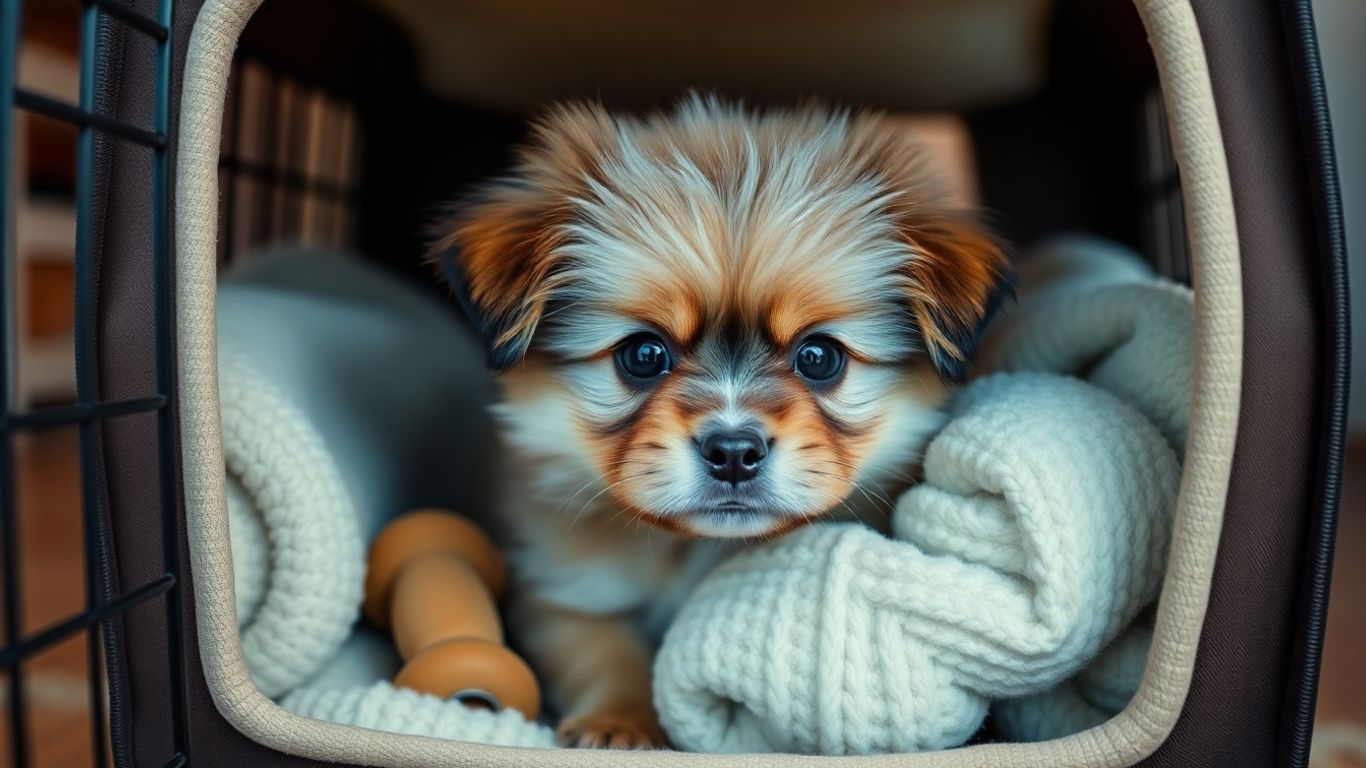
Right then, let’s get down to brass tacks. Sometimes, that crying isn’t about being lonely or wanting a cuddle; it’s much more basic. Your little mate is probably trying to tell you something important, and it’s up to us to figure out what.
Potty Breaks: A Full Bladder’s Plea
This one’s a biggie. Puppies, especially young ones, have tiny bladders. If they’ve been in the crate for a while, or if they just had a drink, they might genuinely need to go. Ignoring this can lead to accidents in the crate, which is no fun for anyone, and can make them associate the crate with unpleasantness. A consistent potty schedule is your best friend here. Aim for a trip outside first thing in the morning, after meals, after naps, and right before bedtime. If they cry in the crate and it’s been a reasonable amount of time since their last break, take them out. If they go, great! If not, pop them back in. It’s a bit of trial and error, but they’ll get there.
Hunger Pangs and Thirsty Whines
Just like us, puppies get hungry and thirsty. If your pup’s dinner or water bowl has been empty for too long, that’s a pretty good reason for a vocal protest. Sticking to a regular feeding schedule helps immensely. This way, they know when to expect their next meal, and it helps regulate their digestion and potty needs too. Make sure they always have access to fresh water, but be mindful of leaving a full bowl in the crate overnight, especially for younger pups, as they might end up making a mess and getting cold.
Physical Discomfort: Too Hot, Too Cold, or Just Plain Uncomfy
Puppies are sensitive little souls. Is the crate too hot? Is there a chilly draft blowing through? Maybe the bedding isn’t quite right. They can’t tell you directly, so they’ll cry. Think about where the crate is placed. Avoid direct sunlight or areas that get too cold. The bedding should be comfortable – not too much that they can’t move, but enough to be cosy. If you’re unsure, a quick check of the temperature in the room and the feel of the bedding can often solve the mystery. Sometimes, a simple adjustment to their sleeping environment makes all the difference.
Making the Crate a Happy Place
Right then, let’s talk about turning that crate from a potential puppy prison into their own little slice of heaven. It’s all about making it somewhere they want to be, not somewhere they’re forced into. Think of it as their personal VIP lounge, but with more chew toys and fewer velvet ropes.
Creating a Cosy Den
First things first, let’s make the crate feel like a proper den. This means comfy bedding – nothing too flat or hard. A soft blanket or a plush dog bed works wonders. Bonus points if you can pop in a blanket that smells like you; that familiar scent can be a real comfort when you’re not around. It’s like a little bit of home brought into their new space. Also, make sure the crate isn’t too big. Puppies like to feel snug, so if it’s massive, they might use one end as a toilet and the other as a bed, which isn’t ideal for house training. You can always make a larger crate smaller with dividers.
Positive Associations: Making Crate Time Fun
This is where we get clever. We want your puppy to associate the crate with good things. So, when they go in, it’s treat time! You can toss a few tasty morsels inside for them to find. Or, even better, use a stuffed Kong toy. These are brilliant for keeping them occupied and mentally stimulated. Feeding them their meals in the crate is another great trick. The goal is for them to see the crate as a place where awesome things happen. Don’t force them in; let them explore it on their own terms. If they wander in, great! If they’re a bit hesitant, just leave the door open and let them investigate.
Gradual Introductions: Let Them Explore
Don’t just plonk your puppy in the crate and shut the door. That’s a recipe for disaster. Start by leaving the crate door open and letting your puppy go in and out as they please. Scatter some treats or their favourite toys inside to encourage them to peek in. Once they’re comfortable going in on their own, you can start closing the door for very short periods – think seconds, not minutes. Gradually increase this time as they get more relaxed. It’s all about taking it slow and letting them set the pace. If they start to get upset, you’ve probably gone too fast, so dial it back a bit.
Here’s a little guide to help you gauge the time:
| Puppy’s Comfort Level | Crate Time | What to Do Next |
|---|---|---|
| Wary but curious | 5-10 seconds | Toss a treat, let them leave |
| Enters willingly | 30 seconds – 1 minute | Close door briefly, open before whining |
| Settles down inside | 2-5 minutes | Gradually increase duration |
| Relaxed and resting | 5-10 minutes | Start leaving for short errands |
Remember, every puppy is different. Some will take to the crate like a duck to water, while others will need a bit more time and patience. Don’t compare your pup to others; just focus on their progress.
Calming Your Crying Puppy
Right then, so your little mate is having a bit of a wail in their crate. It’s enough to make anyone feel a bit guilty, isn’t it? But don’t you worry, we’ve got some tricks up our sleeve to help turn those sad songs into happy sighs. It’s all about being a bit clever and a lot patient.
Puppies, bless ’em, thrive on routine. It’s like their internal compass. Knowing what’s coming next helps them feel secure, and that means fewer anxious cries. Think of it as setting them up for success.
- Consistent Wake-Up Times: Even on weekends, try to keep wake-up times fairly similar. This helps regulate their body clock.
- Regular Potty Breaks: Schedule these throughout the day, especially first thing in the morning, after meals, and right before bed. A full bladder is a noisy bladder!
- Meal Times: Feed your puppy at the same times each day. This helps with digestion and also signals when it’s time to settle down.
- Play and Exercise: Make sure they get enough physical and mental stimulation during the day. A tired puppy is a good puppy, as they say.
- Wind-Down Time: Before bedtime, keep things calm and quiet. Avoid boisterous play right before they go into the crate.
This predictability is your secret weapon. It tells your puppy, "Hey, I’m safe, I know what’s happening, and my human’s got this."
This is a big one. When your puppy is crying, it’s tempting to rush in and scoop them up. But hold on a sec! If they’re crying for attention, you might accidentally be teaching them that loud gets them what they want. We want to teach them that quiet gets them the good stuff.
- Wait for a Pause: When your puppy starts crying, wait for even a brief moment of silence before you go to them. This is the key. You’re rewarding the quiet, not the noise.
- Keep Interactions Brief: If you do go to them, keep it low-key. A quick, calm word or a gentle pat, then leave again. You don’t want to make it seem like a party every time they make a peep.
- Reward Quiet: When you see your puppy settling down or being quiet in their crate, that’s when you offer praise or a small, tasty treat. This is how they learn what you like.
It’s a bit like teaching a toddler to be quiet for story time. You don’t reward them for shouting, you reward them for listening. Same principle, just with more fur and wagging tails.
Sometimes, a little extra comfort can go a long way. Think about what makes you feel calm – maybe it’s a favourite song or a familiar smell. We can do similar things for our pups.
- White Noise or Calming Music: A fan, a white noise machine, or even some classical music played softly can help mask outside noises that might be startling your puppy. There are also specific calming playlists for dogs available online.
- Your Scent: Pop a t-shirt or a blanket that smells strongly of you into their crate. This can be incredibly reassuring for a puppy who misses you.
- Comforting Toys: A soft, plush toy can provide comfort. Some toys even have a heartbeat feature, which can mimic the feeling of being with their littermates or mother.
Remember, consistency is key. Stick with these methods, and you’ll start to see a difference. It might not happen overnight, but with a bit of understanding and a lot of love, your puppy will soon feel much more at home in their crate.
When to Seek Expert Advice
Look, we all want our puppies to settle into their crates like little pros. But sometimes, despite our best efforts, the crying just doesn’t stop. If you’ve tried all the usual tricks – the comfy bedding, the special toys, the consistent routine – and your pup is still letting out a symphony of sorrow, it might be time to call in the grown-ups.
Ruling Out Health Concerns
Sometimes, that persistent crying isn’t just about being a bit lonely or needing a wee. It could be a sign that something’s not quite right physically. Puppies can’t tell us if they’ve got a tummy ache, feel a bit poorly, or are just generally uncomfortable for reasons we can’t see. Persistent, distressed crying that doesn’t improve with comfort or routine changes could indicate an underlying health issue. It’s always worth a quick chat with your vet to rule out anything medical. They can give your puppy a once-over and let you know if there’s a physical reason for their upset.
When to Call the Professionals
If your vet gives your puppy a clean bill of health, but the crate-related crying continues to be a major issue, it’s time to think about bringing in a specialist. These are the folks who really understand canine behaviour.
- Veterinarians: Especially those with a focus on behaviour, can offer tailored advice.
- Certified Animal Behaviourists: These professionals have in-depth knowledge of why dogs act the way they do and can help create a specific plan for your puppy.
- Experienced Dog Trainers: Look for trainers who specialise in positive reinforcement and puppy behaviour.
These experts can help identify if your puppy is experiencing something like severe separation anxiety, which might need more than just a few extra treats. They can assess the situation and provide strategies that are specific to your puppy’s needs. Sometimes, a little extra help from a professional is exactly what’s needed to get everyone sleeping soundly. Remember, seeking help is a sign of good pet ownership, not failure! If your puppy is struggling with being alone, even for short periods, consider looking into resources for separation anxiety.
It’s easy to get frustrated when crate training isn’t going to plan. But remember, your puppy is relying on you to understand their needs. Patience and seeking the right kind of help when you need it are key to building a happy, confident dog.
So, What’s the Takeaway?
Right then, we’ve gone through why your little mate might be having a bit of a cry in their crate. Remember, they’re just babies figuring things out, and a bit of noise is totally normal, especially at first. The main thing is to stay patient and figure out what they actually need – whether that’s a quick trip outside, a bit more playtime, or just feeling a bit more secure. Make that crate a happy place, not a scary one, and with a bit of consistency and lots of love, those whimpers will soon turn into snores. If you’re still struggling, don’t be afraid to ask for help from a vet or a trainer. You’ve got this!
Frequently Asked Questions
Should I let my puppy cry it out in the crate?
It’s generally not the best idea to just let your puppy cry it out. While a bit of whining when they first get used to the crate is normal, ignoring them when they’re really distressed can make them more anxious. It’s better to try and figure out why they’re crying and help them feel more secure.
Is it okay for my puppy to cry in its crate at night?
Nighttime crying could mean they need to go to the loo or are just feeling a bit lonely. Instead of leaving them to cry all night, check if they need a potty break. Building good crate habits during the day can help them learn to settle down and sleep through the night eventually.
Should I ignore my puppy when it whines in the crate?
Ignoring your puppy isn’t the answer. Whining is how they communicate. You need to work out if there’s a specific reason, like needing to go outside or feeling anxious, and then deal with that. It’s about understanding their needs.
Can separation anxiety make my puppy cry in the crate?
Absolutely. Separation anxiety is a common reason. Puppies are pack animals and can get really upset when they’re away from you. If your pup follows you everywhere or gets stressed when you leave, this could be the cause.
What if my puppy’s crying is due to pain or discomfort?
Yes, it’s possible. Puppies can’t tell us they’re hurting, so crying might be their way of showing they’re uncomfortable. This could be because they’re too hot, too cold, need to go to the toilet, or are even teething. If you suspect pain, it’s best to get them checked by a vet.
Are there any toys or treats that can help my puppy feel comfy in the crate?
Definitely! Making the crate a fun place is key. Toys like a Kong filled with something tasty, or a special ‘heartbeat’ toy that mimics a mother’s heartbeat, can be really comforting. Just make sure any treats you give are safe and suitable for puppies.
