

It’s a bit of a worry when your dog starts getting on a bit, isn’t it? Suddenly, those vet bills that were once a rare occurrence can start to pile up. That’s where pet insurance for older dogs comes in. It’s not always straightforward, and things can change as they age, but getting the right cover can make a big difference to your wallet and your peace of mind. This guide should help you figure out what’s what.
Key Takeaways
- Older dogs often need more vet care, so pet insurance is important for managing unexpected costs, even if premiums are higher.
- When picking a policy, look for ones that cover chronic conditions, don’t have strict age limits for enrollment, and explain any exclusions clearly.
- It’s best to get insurance sooner rather than later, as pre-existing conditions usually aren’t covered, and earlier sign-ups can lock in better terms.
Understanding Your Senior Dog’s Insurance Needs

As our furry companions start to slow down, their healthcare needs often ramp up. It’s a bit like us humans – as we get older, we tend to need more doctor visits, and our dogs are no different. This is why thinking about pet insurance for your older dog is such a smart move. They might be more prone to things like arthritis, dental troubles, or even more serious conditions like heart disease or cancer. These issues can pop up unexpectedly and, let’s be honest, vet bills can be pretty eye-watering. Having insurance can make a massive difference when it comes to getting them the care they need without you having a panic attack about the cost.
Why Older Pups Need Special Consideration
When you’re looking at insurance for a senior dog, it’s a bit different from getting cover for a bouncy puppy. For starters, many insurance companies have an age limit for new sign-ups, so it’s worth checking out when you can insure your dog early on. Older dogs are also more likely to have pre-existing conditions. If your dog developed something like diabetes at age 10, and you only get insurance at 11, that condition probably won’t be covered. It’s a bit of a catch-22, but being aware of it helps. Plus, some breeds are just naturally prone to certain health problems as they age, so you’ll want to make sure your policy covers those hereditary issues.
The Nitty-Gritty of Pet Insurance for Golden Oldies
So, what should you be looking for? Well, affordability is obviously a big one, but you also need to consider waiting periods – how long until the cover actually kicks in? Some policies might exclude certain things, like hip problems, for a set time after you sign up. If a full accident and illness plan seems a bit steep, don’t forget about accident-only cover. It’s usually cheaper and can still help out with those unexpected emergencies, like if they eat something they shouldn’t or have a nasty fall. It’s all about balancing what you can afford with the level of protection you feel your old mate needs. Remember, the premium you pay often depends on the deductible you choose – a higher deductible usually means a lower monthly payment, but you’ll pay more if you need to make a claim.
Choosing the Right Pet Insurance for Your Older Dog
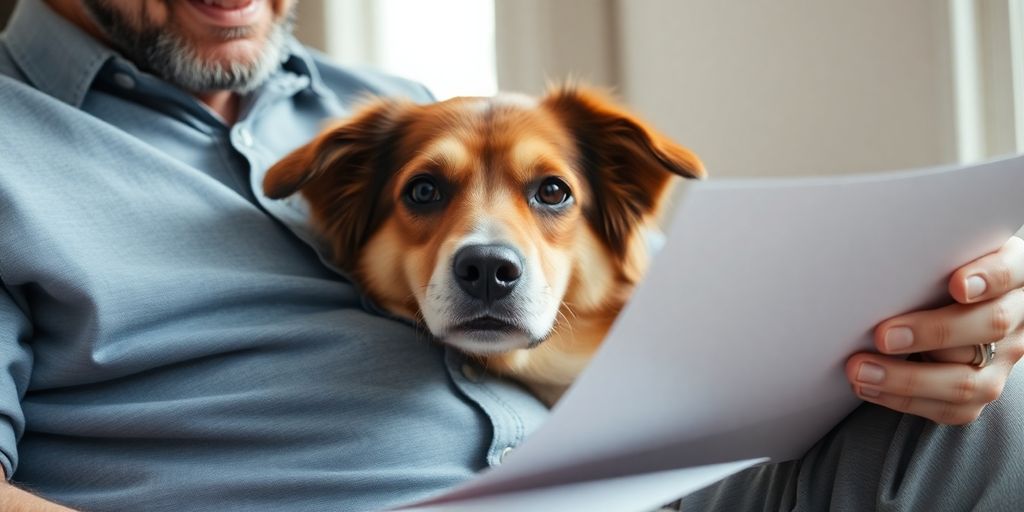
So, your furry friend is hitting their golden years. That’s wonderful, but it also means they might need a bit more TLC, and potentially, more vet visits. This is where pet insurance really shines, especially for our senior pups. But picking the right policy can feel like a bit of a minefield, can’t it? It’s all about finding a plan that fits your dog’s specific needs as they age.
What to Look For in a Policy
When you’re sifting through the options, keep an eye out for a few key things. Firstly, check for any age limits on enrollment. Some companies won’t take on new pets once they reach a certain age, which is a bit of a bummer if you’re just starting out. Also, pay close attention to what’s excluded. Chronic conditions like arthritis or heart disease are super common in older dogs, so you’ll want to make sure your chosen policy actually covers these. Some plans might have waiting periods for certain conditions, so read the fine print on that too. It’s also worth looking at how quickly they process claims – nobody wants to be waiting ages for reimbursement.
Here’s a quick rundown of what to prioritise:
- Chronic Condition Coverage: Essential for common senior ailments.
- No Upper Age Limit: For continued coverage as they get older.
- Prescription Medication: Many senior dogs need ongoing meds.
- Diagnostic Tests: X-rays, blood work, etc., can add up.
- Claim Processing Speed: For quicker reimbursements.
Don’t be afraid to ask questions. The more you know upfront, the less likely you are to be surprised by unexpected costs down the line. It’s your responsibility to understand what you’re signing up for.
Providers That Cater to Senior Pups
While many insurers offer plans for older dogs, some are definitely more senior-friendly than others. Companies like Pets Best are known for covering chronic conditions and prescriptions without an upper age limit, which is a big plus. Figo also gets a nod for its lack of age limits and offering things like 24/7 vet chat, which can be a lifesaver when you’re worried about your old mate. Pumpkin Pet Insurance is another one that doesn’t seem to have an age cap and covers a good range of treatments. It’s worth comparing these providers to see who offers the best value for your specific dog’s needs. You might find that one provider has a slightly higher premium but offers much better coverage for the conditions your dog is prone to. Remember, getting insurance earlier is always better, but even for older dogs, it can still offer significant peace of mind and financial help for unexpected vet bills.
When you’re comparing, think about the balance between premiums and deductibles. A higher deductible usually means a lower monthly cost, but you’ll pay more out-of-pocket if you need to make a claim. It’s a bit of a balancing act to find what works for your budget and your dog’s health.
Making the Most of Your Pet Insurance
Right then, you’ve picked out a policy for your seasoned companion, but what’s next? Making sure you get the most bang for your buck with pet insurance is all about being savvy. It’s not just about signing up and forgetting about it; there are a few things you can do to really make it work for you and your furry friend.
When to Get Your Dog Insured
It might seem obvious, but the earlier you get your dog insured, the better. For older dogs, this is even more important. Waiting until they’re already showing signs of age or have developed a health issue means that condition might be classed as pre-existing, and guess what? It probably won’t be covered. Think of it like this: you wouldn’t wait for your car to break down before getting breakdown cover, would you? It’s the same principle. Getting a policy in place while they’re still relatively sprightly means you’re more likely to get comprehensive cover for a wider range of potential problems down the line. It’s a bit of a gamble to wait, and with older dogs, the stakes are higher.
Questions to Ask Before You Sign Up
Before you commit to a policy, it’s worth having a good old chat with the insurance provider. Don’t be shy about asking questions – it’s your money and your dog’s health on the line! Here are a few key things to get answers for:
- What exactly is covered? Make sure you understand the ins and outs of the policy. Does it cover accidents, illnesses, hereditary conditions, or just the basics?
- Are there any age limits or exclusions for older dogs? Some policies might have higher premiums or different coverage levels for senior pets.
- How are claims submitted, and how quickly do I get reimbursed? Knowing the claims process helps you prepare and understand how long you might be out of pocket.
- Will my premium increase as my dog gets older? It’s a common question, and understanding the pricing structure is important for budgeting.
- What are the waiting periods for different types of claims? Some conditions might have a longer waiting time before they are covered.
It’s always a good idea to read the fine print. Policies can be complicated, and understanding the terms and conditions means you won’t be caught out later. Knowing what’s included and what’s not is half the battle.
So, What’s the Takeaway?
Right then, looking after our older canine companions can feel a bit daunting, especially when those vet bills start creeping up. But honestly, getting some pet insurance sorted for your seasoned friend is a really sensible move. It’s not about worrying constantly, but more about having that bit of backup so you can focus on giving them the best retirement years possible. Remember to shop around, compare what different companies offer, and don’t be afraid to ask questions about what’s actually covered, especially for those common older doggy ailments. It’s a bit of effort, sure, but knowing you’re prepared for the unexpected? That’s priceless, really.
Frequently Asked Questions
Can my older dog still get pet insurance?
Absolutely! Many insurance companies allow you to sign up your older dog, even if they’re getting on a bit. However, it’s worth noting that the price and what’s covered might change depending on the specific plan and any existing health issues your dog might have. It’s always best to check with the provider.
How much does pet insurance cost for older pets?
Generally, yes, you can expect to pay a bit more for pet insurance for older dogs compared to younger ones. This is because older pets are more likely to need extra vet visits. The exact cost can also depend on things like your dog’s breed, how much cover you choose, and what excess you decide on.
When is the best time to get pet insurance for my dog?
It’s a really good idea to get your dog insured as early as possible. If your dog develops a health problem, like diabetes, when they’re younger and insured, that condition is usually covered. But if you wait until they’re older and the condition has already appeared, it might be classed as a pre-existing condition and won’t be covered by the new policy.
