

Thinking about breeding your dog? Artificial insemination, or AI, is a common method many breeders use. It can be a bit daunting at first, but with the right approach, it’s something you can do at home. This guide will walk you through the basics of artificial insemination dog procedures, from getting ready to the actual process and what to do afterwards. We’ll cover the tools you’ll need and how to time things just right for the best results.
Key Takeaways
- Artificial insemination dog procedures involve carefully introducing semen into the female’s reproductive tract, often using a special pipette.
- Timing is really important for artificial insemination dog success; you’ll want to do it when the female dog is most fertile.
- Having the right tools like sterile pipettes, lubricant, and gloves, along with a calm environment, helps make artificial insemination dog a smoother process.
Getting Started With Artificial Insemination Dog
Thinking about artificial insemination (AI) for your dog? It’s a really useful technique for breeders, whether you’re looking to introduce new bloodlines from afar or perhaps your stud dog isn’t quite up to the job naturally. It gives you a lot more control over the breeding process, and honestly, it’s not as complicated as it might sound. Many people are now doing this at home, which saves a bit of cash and offers flexibility. We’ll walk you through what you need to know to get started.
Why Consider Artificial Insemination?
AI can be a game-changer for dog breeders. It opens up a world of possibilities, allowing you to access genetics from dogs anywhere in the country, or even the world, without the stress and cost of transporting them. It’s also brilliant for maximising the chances of pregnancy by precisely placing the semen, and it’s the only way to use chilled or frozen semen, meaning you can preserve valuable lines or breed from a stud dog even if they’re retired or sadly no longer with us. It really is a powerful tool for improving your breeding program.
Essential Tools For The Job
Before you get stuck in, you’ll need a few bits and bobs to make sure everything goes smoothly and hygienically. Having these ready will make the whole process much less stressful for both you and your dog.
Here’s a quick rundown of what you’ll likely need:
- AI Pipette: A flexible, sterile one is best for guiding the semen in.
- AI Straw: This is where the collected semen goes.
- Lubricant: Make sure it’s sterile and non-toxic, just to help things along.
- Gloves: For keeping everything clean and hygienic.
- Timer: Handy for timing certain parts of the process.
- Semen Collection Kit: If you’re collecting fresh semen yourself.
- Progesterone Testing Equipment: While not strictly mandatory, this is highly recommended for pinpointing the optimal time for insemination, which massively boosts your chances of success. You can find out more about dog food for pregnant dogs here.
Remember, keeping the female dog calm and relaxed throughout the procedure is just as important as having the right equipment. A stressed dog can make the process more difficult and less likely to succeed.
The Artificial Insemination Dog Procedure Explained
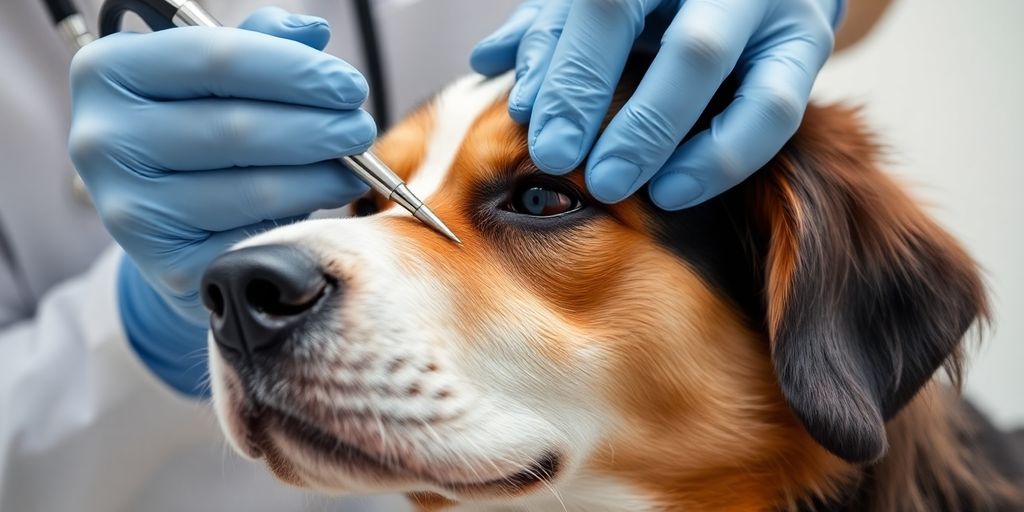
So, you’ve decided to give artificial insemination (AI) a go with your dog. It might sound a bit technical, but honestly, it’s quite manageable once you know the steps. The main idea is to get that collected semen right where it needs to be, without any fuss.
Preparing Your Canine Companion
First things first, you want your girl to be as relaxed as possible. Think calm environment, no loud noises, just a chilled-out vibe. You’ll want her standing comfortably, maybe on a slightly raised surface like a sturdy table or even a non-slip mat on the floor, just to make things easier for you to access. It’s all about making her feel secure and comfortable during the process. Remember, a stressed dog isn’t going to be as receptive, so patience is key here.
Step-By-Step Insemination Guide
Right, let’s get down to it. You’ll need a few bits and bobs, like a sterile AI pipette, the semen itself (in a straw), some sterile lubricant, gloves, and a timer.
- Pipette Placement: Gently guide the flexible AI pipette into the female’s vaginal canal using your index finger. You’re aiming for the cervix. A little sterile lube on the pipette helps it slide in smoothly. Keep your finger alongside the pipette; it helps you feel when you’ve reached the right spot and guides the way.
- Semen Deposition: Once the pipette is in position, carefully insert the AI straw containing the semen. Slowly and gently deposit the semen. Don’t rush this bit; let it flow gradually. You want to make sure it all goes in the right place.
- Simulating the Tie: This is where you mimic the natural mating process. Keep your finger in the vaginal canal for about 10-15 minutes. This helps stimulate her system and encourages the semen to stay put. Keep her calm and still during this time – no bouncing around!
Post-Insemination Care
Once you’re done, let your dog rest in a quiet spot. Avoid any strenuous activity for a bit, as you don’t want anything to disrupt the process. Some people like to do a follow-up progesterone test a few days later, just to check things are on track, but that’s optional. It’s all about giving her the best chance to settle in and hopefully, get pregnant. If you’re curious about genetics and how they play a role, you might find looking into your dog’s ancestry interesting, though remember that environment plays a huge part too!
Maximising Your Artificial Insemination Dog Success
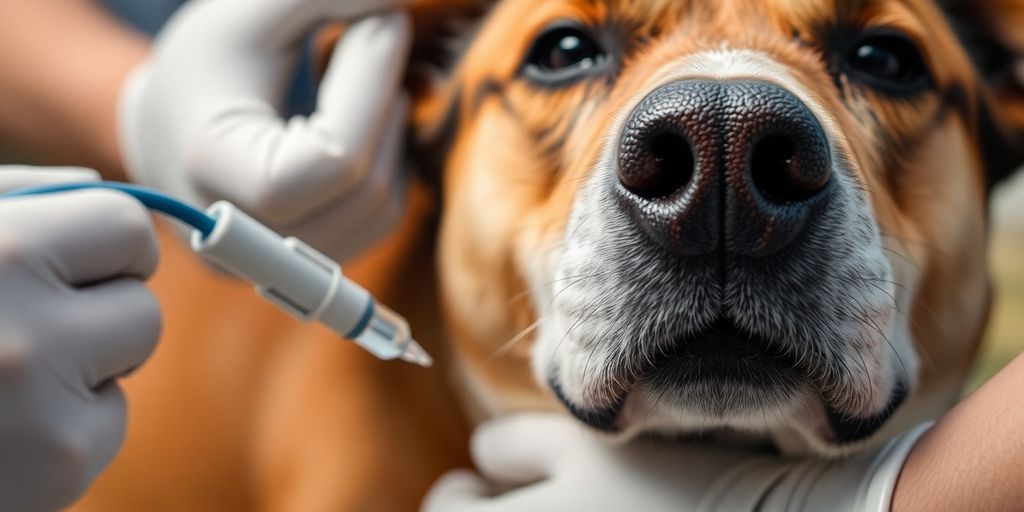
So, you’ve got the kit, you’ve timed things as best you can, and you’re ready to go. But how do you actually make sure it all works out? It’s not just about the procedure itself; a few extra bits of know-how can really make a difference. Think of it like baking a cake – you need the right ingredients and the right temperature, but you also need to know a few tricks to stop it from sinking!
Timing Is Everything
Honestly, this is probably the most important bit. Getting the timing wrong is like trying to catch a bus that’s already left the stop. You need to know when your girl is actually ready to be bred. While watching for physical signs is helpful, relying solely on them can be a bit hit-and-miss. This is where progesterone testing comes in. It’s a bit like having a crystal ball for her cycle. You can get kits to do this at home, or your vet can do it for you. Generally, you’re looking for a surge in progesterone, which tells you ovulation is happening or has just happened. The exact timing for insemination can vary depending on the type of semen you’re using:
- Fresh Semen: Aim for about 48 hours after ovulation.
- Chilled Semen: Similar to fresh, around 48 hours post-ovulation.
- Frozen Semen: This is a bit trickier, as it needs to be timed more precisely. Usually, it’s around 72 hours after ovulation, as the sperm doesn’t survive as long.
Getting this right significantly boosts your chances. Don’t be afraid to chat with your vet about the best approach for your specific situation; they’re a great resource for understanding canine reproduction.
Troubleshooting Common AI Hiccups
Even with the best planning, things don’t always go perfectly. Don’t get disheartened if your first attempt isn’t a roaring success. Here are a few common issues and what you can do:
- The Dog Isn’t Cooperating: Sometimes, one or both dogs might be a bit stressed or uncooperative. Make sure the environment is calm and quiet. If the female is particularly anxious, try to keep her still and comfortable. A little patience goes a long way. If it’s really proving difficult, it might be worth consulting your vet about mild sedatives, but usually, a calm approach works best.
- Semen Deposition Issues: If you’re worried the semen isn’t going in properly, ensure you’re using enough sterile lubricant on the pipette for smooth passage. When depositing, go slowly and steadily. After insemination, keeping your finger in the vaginal canal for about 15 minutes to simulate a natural tie can help keep the semen in place. This mimics the natural mating process and gives the sperm a better chance to travel.
- Inaccurate Timing: We’ve covered this, but it bears repeating. If you’re not getting pregnant, re-evaluate your timing. Are you sure you’re hitting that fertile window? Using a combination of progesterone tests and maybe even vaginal cytology can give you a clearer picture.
Remember, practice makes perfect. Keep good records of your attempts, noting the timing, the dogs’ behaviour, and any issues you encountered. This information is gold for refining your technique for the next time. It’s a learning process, and with each attempt, you’ll get better at it.
So, What’s the Takeaway?
Right then, we’ve gone through the whole shebang of artificial insemination in dogs. It’s not rocket science, but it does need a bit of care and attention, doesn’t it? Getting the timing spot on, having your kit ready, and keeping things clean are the big things. Don’t get disheartened if it doesn’t work first time; practice really does make perfect with this sort of thing. Keep good notes, learn as you go, and you’ll soon get the hang of it. It’s a brilliant way to help your breeding programme along, especially if you’re looking to bring in new bloodlines or if nature isn’t quite cooperating.
Frequently Asked Questions
How long does the artificial insemination process take?
The whole process usually takes about 10 to 15 minutes. You might add another 10 to 15 minutes to help the female dog settle afterwards, which can boost the chances of success.
Does my dog need to be put to sleep for AI?
Generally, no. Most female dogs are fine with the procedure if they’re in a calm environment. Sedation is only really needed if the dog is very stressed or won’t stay still.
Can AI be done with frozen semen?
Yes, you can use frozen semen! It’s important to know that frozen semen needs to be used a bit later, around 72 hours after the female dog has ovulated, because it doesn’t last as long inside her.
