

So, you’re looking for a kennel for dogs, eh? It’s a bit like finding the right house for a person, really. You want it to be comfy, safe, and just the right size. Whether you’re going for a boarding kennel or building one yourself, there are a few things to think about. We’ll walk you through how to pick the best place for your furry mate.
Key Takeaways
- Make sure the kennel is the right size for your dog, considering both indoor space to rest and outdoor space to move. Different breeds and activity levels need different amounts of room.
- Think about where you’ll put the kennel. Consider shelter from the weather, proximity to your house, and your garden’s space limitations.
- When choosing a boarding kennel, ask lots of questions about their staff qualifications, cleaning routine, exercise schedule, and security. A good kennel will want to know about your dog’s specific needs too.
Sizing Up The Perfect Kennel For Dogs
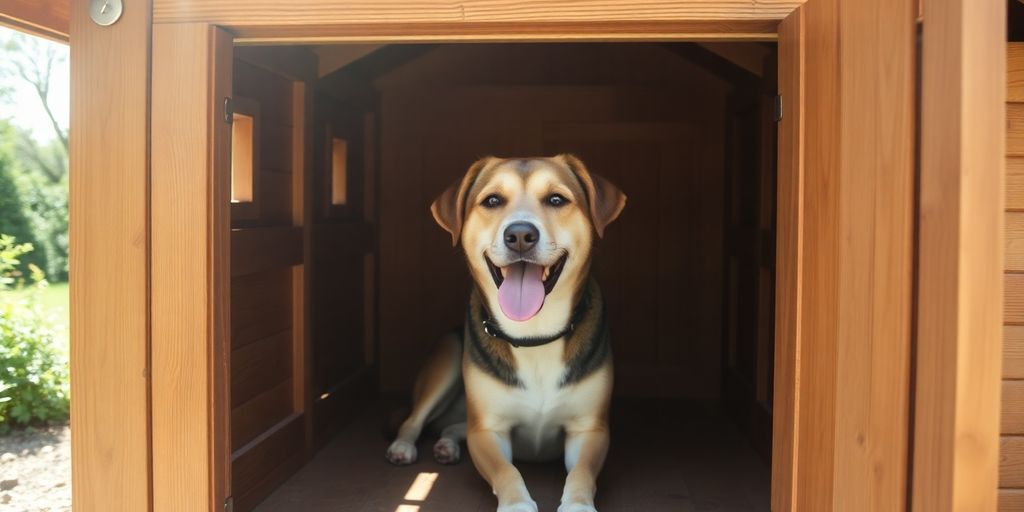
Right then, let’s talk about getting the right size kennel for your canine pal. It’s not just about having a place for them to stay; it’s about making sure they’ve got enough room to be comfy and happy. Think of it like choosing a new bed – you wouldn’t want one that’s too small or ridiculously huge, would you? The same applies to your dog’s new outdoor digs.
Finding The Right Fit For Your Furry Friend
So, how do you actually measure up for a kennel? It’s a bit more involved than just guessing. You’ll want to consider two main areas: the sleeping space and the run area. The sleeping bit should be cosy enough for your dog to curl up and feel secure, but not so cramped they can’t stretch out. A good trick is to measure your dog when they’re having a good snooze – this gives you a better idea of the length and width they need to lie down comfortably. For the run, though, they need space to potter about, stand up on their hind legs, and maybe even have a little play. Measure them from their paws to the top of their head when they’re standing tall, and then add a few inches to that height. This ensures they can move freely without feeling confined.
Here’s a rough guide to help you out:
- Small Dogs (e.g., Chihuahua, Pug): Look for kennels around 6ft x 3ft to 12ft x 4ft. They need enough space to move, but a smaller, snug sleeping area is fine.
- Medium Dogs (e.g., Border Collie, Cocker Spaniel): Aim for something in the region of 8ft x 6.5ft to 14ft x 4ft. They need a bit more room to stretch their legs.
- Large Dogs (e.g., Labrador, German Shepherd): You’ll want to be looking at sizes like 12ft x 8ft up to 14ft x 8ft. More space is generally better for these chaps, especially if they’re active.
Remember, the goal is a space that feels like a safe haven, not a prison. Too big, and they might not feel secure enough to relax. Too small, and they’ll be miserable.
Considering Your Dog’s Breed And Temperament
Beyond just size, your dog’s breed and even their personality play a big part. An energetic Border Collie will need a lot more room to run and play than a more laid-back Bulldog. If you’ve got a pup who loves to zoom around, make sure that run area is generous. Older dogs or those with a calmer nature might be perfectly happy with a bit less space, but still need enough to stand and turn around easily. It’s also worth thinking about their weight; a heavier dog will need a sturdier, possibly larger, kennel. Ultimately, the right size kennel is one that supports your dog’s natural behaviours and keeps them content.
Essential Factors For A Happy Kennel
Right then, you’ve thought about the size and breed, which is brilliant. Now let’s get down to the nitty-gritty of making sure your dog’s new digs are actually a happy place for them. It’s not just about having a space; it’s about making it a home.
Budgeting For Your Dog’s New Abode
Let’s be honest, kennels aren’t exactly pocket change, are they? You’ll need to have a think about what you can realistically spend. Generally speaking, the bigger the kennel, the more it’s going to set you back. But don’t just go for the cheapest option you can find; you want something that’s going to last and keep your dog safe and sound. Think about it as an investment in your dog’s comfort and security. If you’ve got your eye on a larger kennel for a bigger breed or an active pup, you might want to look at ways to trim costs elsewhere. Maybe skip the fancy extras for now? Or perhaps you’ve got a bit more wiggle room in the budget and can splash out on things like tougher materials that can withstand a bit of chewing, or even built-in food and water bowls. It’s all about finding that sweet spot between what you can afford and what your dog really needs.
Location, Location, Location: Placing Your Kennel
Where you plonk this thing in your garden is a bigger deal than you might think. You don’t want your dog baking in the midday sun or getting soaked every time it rains. Think about shelter from the elements – a bit of shade is a must, and protection from strong winds will make a world of difference. Also, consider how close it is to your house. You’ll want to be able to pop out and check on your furry mate, but you probably don’t want their muddy paws or any stray garden critters making a beeline for your living room. A good spot means your dog will be comfortable and you won’t be constantly worrying about them.
A well-placed kennel, shielded from harsh weather and easily accessible for you, contributes significantly to your dog’s overall contentment and your peace of mind. It’s about creating a harmonious outdoor living situation for everyone.
Here’s a quick rundown of what to consider for placement:
- Sunlight: Aim for a spot that gets morning sun but offers shade during the hottest part of the afternoon.
- Wind: Position the kennel so the entrance isn’t directly facing prevailing winds.
- Drainage: Make sure the area doesn’t flood when it rains. You don’t want your dog’s home to become a paddling pool!
- Visibility: Place it where you can easily see your dog, but also where they can see you or the comings and goings of the household.
What To Look For In A Reputable Kennel
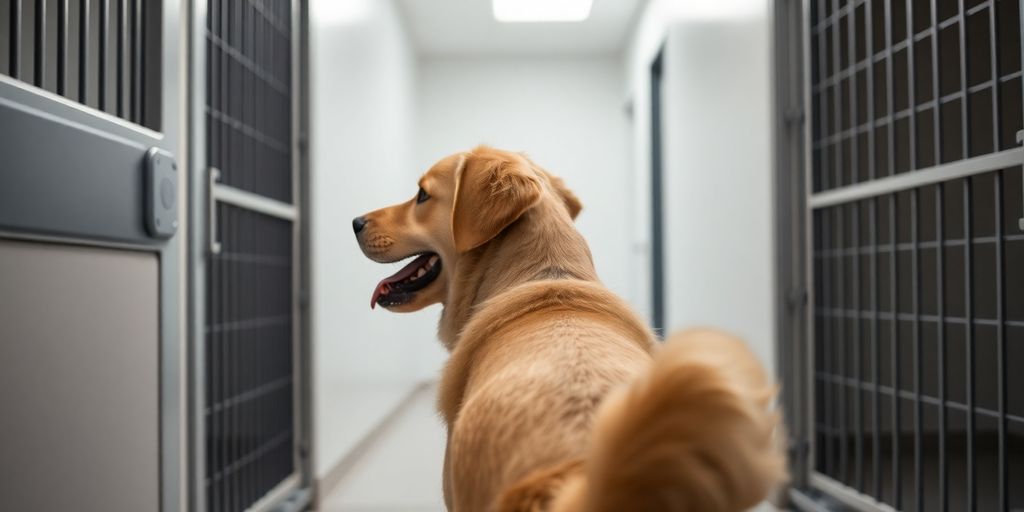
Questions To Ask Before You Book
So, you’ve decided kennelling is the way to go for your furry pal. Brilliant! But before you hand over the reins (and your dog!), it’s smart to do a bit of digging. Think of it like choosing a babysitter for your little one – you want to be sure they’re in good hands, right?
First off, how do they sound on the phone? A good sign is if they seem genuinely interested in your dog. They should be asking about your dog’s breed, age, and general temperament. It shows they care about matching your dog with the right environment. Also, don’t be shy about asking for a tour. Any decent kennel should be happy to show you around before you commit. It’s your chance to get a real feel for the place.
Here are some key things to quiz them on:
- Staff Qualifications: Are there staff members with at least a Level 3 qualification in animal care? This is a legal requirement now, so it’s a biggie.
- Vaccinations: Do they check that all vaccinations are up-to-date? They should also require the Kennel Cough vaccination.
- Daily Routine: What’s a typical day like for the dogs? How often are they exercised, and for how long? Are they let out of their kennels at least twice a day?
- Medication: Will they administer any medication your dog needs? Make sure you provide all the details.
- Contact: How can you get in touch? Can you call to check on your dog during opening hours? Some places might even send you photos or videos!
- Licensing: Is their kennel license clearly displayed? It should be visible, usually in reception.
A Tour Of The Facilities
When you go for that all-important visit, keep your eyes and nose open. The place should smell clean – no overpowering disinfectant or, worse, unpleasant odours. Ideally, kennels are cleaned at least twice daily. Check that all surfaces, from walls to floors and bedding, can be properly sterilised.
Pay attention to the general atmosphere. Is it calm, or is there a constant cacophony of barking? While some noise is normal, a relaxed environment is a good indicator of happy dogs. Also, observe how the staff interact with the dogs. They should be friendly, gentle, and show a caring attitude. The dogs themselves should seem pleased to see the staff, not fearful.
Consider the kennel size. Regulations specify a minimum size for a reason – dogs need space to move comfortably. They should also only be housed alone or with dogs from their own household. Is the kennel heated? Temperatures should be comfortable, not too hot or too cold. And what about light? Dogs need a good amount of natural or artificial light each day.
Don’t forget to ask about their emergency procedures and infection control measures. It’s also a good idea to arrange a short overnight stay before a longer booking. This lets your dog get accustomed to the place and helps you gauge if they’re truly comfortable there. It can make a world of difference to their stress levels, and yours!
Finally, ask about security. Are there good locks on doors and gates? Knowing your dog is safe and secure will give you peace of mind while you’re away. Checking these details will help you find a place where your dog will be well looked after.
So, That’s a Wrap!
Right then, choosing a kennel for your furry mate can feel like a big job, can’t it? We’ve gone over the sizes, from tiny terriers to lumbering labs, and what to look for when you’re checking out potential places. Remember to ask loads of questions, have a good nose around, and trust your gut. It’s all about finding a spot where your dog will be safe, comfy, and happy while you’re away. A bit of planning now means peace of mind for you and a good time for your dog. Happy hunting!
Frequently Asked Questions
How do I know if a kennel is a good fit for my dog?
When picking a kennel, think about your dog’s size and how much they like to move around. You’ll want an indoor spot where they can lie down comfortably and an outdoor bit where they can stretch their legs and play. It’s a good idea to measure your dog while they’re snoozing to get an idea of the space they need for sleeping. For the outdoor part, measure them standing up on their back legs.
What should I look for when visiting a kennel?
When you go to see a kennel, have a good look around. Is it clean and does it smell okay? The staff should be friendly and seem to really care about the dogs. Ask if they have staff qualified in animal care and if they check all vaccinations are up to date. It’s also important that the kennels themselves are big enough for your dog to move about freely.
Are there any rules about kennel size in the UK?
Yes, there are rules! For one dog, the minimum indoor space is about 1.9 square metres, and the height should be at least 1.8 metres. It’s also important that dogs are only housed alone or with other dogs from their own family. This ensures they feel safe and don’t get stressed out.
