

Finding the right vet for your pet bird in the UK can feel a bit tricky. Unlike cats and dogs, birds have really specific health needs that not all vets are equipped to handle. They’re also quite good at hiding when they’re not feeling their best, which means regular check-ups with someone who knows their stuff are super important. This guide is here to help you find a vet who can properly look after your feathered friend, making sure they stay happy and healthy for years to come.
Key Takeaways
- Birds have unique health requirements that mean a specialist vet, often called an avian vet, is usually best. These vets have extra training and experience with birds.
- You can find a vet experienced with birds through resources like the Parrot Society UK, the Association of Avian Veterinarians, or by checking the Royal College of Veterinary Surgeons register for specialists.
- Regular check-ups are vital as birds hide illness well. Your vet can also advise on diet, housing, and preventative care to keep your bird in top condition.
Finding Your Feathered Friend’s Favourite Vet
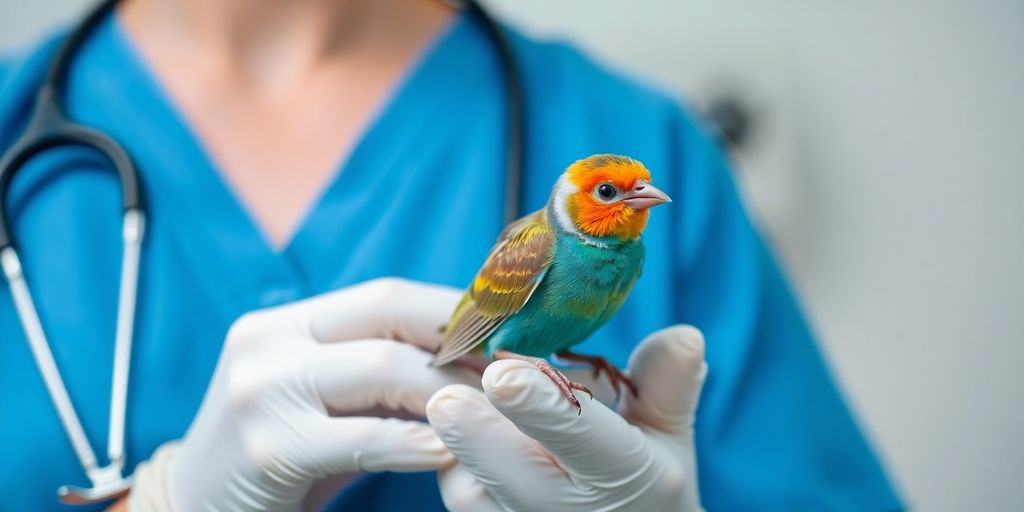
So, you’ve got a bird, and you love them to bits. That’s brilliant! But when it comes to their health, you can’t just pop them down to any old vet, can you? Birds are a bit different, you see. They’re not like cats or dogs, and they need someone who really knows their stuff when it comes to avian health. Finding the right vet is super important for keeping your chirpy mate happy and healthy.
Why Your Bird Needs a Specialist Vet
Think about it – birds have unique bodies. Their bones are hollow to help them fly, their respiratory systems are incredibly efficient (and delicate!), and they can hide illnesses really well. A regular vet might be great with a Labrador, but they might not have the specific knowledge or equipment to properly diagnose and treat a budgie with a dodgy crop or a parrot with a feather-plucking problem. Avian vets, on the other hand, have spent years learning all about bird anatomy, common diseases, and even their specific dietary needs. They understand that a sick parrot needs a different approach than a sick hamster. It’s all about having that specialised know-how to give your bird the best possible chance.
What to Look For in an Avian Vet
When you’re on the hunt for a bird-friendly vet, there are a few things to keep your eyes peeled for. First off, do they actually see birds? Some practices might say they treat ‘exotics’ but only really see reptiles. Make sure they have a specific interest or even a dedicated avian vet on their team. It’s also a good sign if they have experience with the type of bird you own – a vet who’s brilliant with parrots might not have as much experience with finches, for example.
Here’s a quick checklist:
- Experience with Birds: Do they regularly treat avian patients?
- Specialist Qualifications: Is there a vet with specific avian training or recognised specialist status?
- Appropriate Equipment: Do they have the right diagnostic tools like small X-ray machines or specialised lab equipment for birds?
- Good Reviews: What do other bird owners say about them?
- Comfortable Environment: Does the practice seem calm and organised, with separate waiting areas if possible to reduce stress for your bird?
It’s always a good idea to have a chat with the practice before you need them. Ask about their avian services and maybe even book a ‘well bird’ check-up so you both get acquainted. It’s much better to find your go-to avian vet before an emergency strikes.
Don’t be afraid to ask questions! A good avian vet will be happy to talk you through their approach and what they can do for your feathered pal. You can often find lists of vets who are members of avian veterinary associations, which is a great starting point. For instance, the Association of Avian Veterinarians website has a useful ‘Find a Vet’ tool.
Navigating the World of Avian Vets
So, you’ve got a feathered friend, and you’re wondering how to find the right vet. It’s not quite as straightforward as finding one for your cat or dog, is it? Birds have their own special needs, and not all vets are up to speed on avian care. It’s really important to find someone who knows their stuff when it comes to birds. They can spot problems early, which is a big deal because birds are pretty good at hiding when they’re not feeling their best.
Understanding Vet Qualifications
When you’re looking for an avian vet, you might see different terms thrown around. Some vets might just have a general interest in birds, while others have gone the extra mile with specific training. You can check if a vet is an Advanced Practitioner or a Recognised Specialist by looking them up on the Royal College of Veterinary Surgeons (RCVS) register. It’s worth doing a bit of digging to see their qualifications, especially if your bird has a complex health issue. You want someone who really understands avian physiology, nutrition, and behaviour.
Resources for Locating a Vet for Birds
Finding a good avian vet can feel like a treasure hunt, but there are some handy resources out there. The Association of Avian Veterinarians (AAV) has a "Find a Vet" tool on their website, which is a great starting point. Another useful place is The Parrot Society UK, which also lists vets who are keen on bird care. Some veterinary group websites, like Lawrie Veterinary Group, might also highlight vets with a special interest in exotic pets, including birds. Don’t be afraid to call up a practice and ask about their experience with your specific type of bird – it’s always best to be sure!
It’s a good idea to get your bird checked out by a vet as soon as you get them, even if they seem perfectly healthy. This way, you can get advice on their diet, housing, and general care right from the start, and the vet can get to know your bird before any potential problems pop up.
So, to wrap things up…
Finding the right vet for your feathered mate doesn’t have to be a massive headache. Remember, birds are a bit different from your usual furry pals, so looking for someone who really knows their stuff when it comes to avian care is key. Keep an eye out for those vets with extra qualifications or a clear passion for birds – they’ll be able to help with everything from diet advice to spotting those sneaky early signs of illness. Don’t be shy about asking questions when you call up practices; it’s your bird’s health, after all! Hopefully, this guide has made the search a little bit easier for you and your chirpy companion.
Frequently Asked Questions
Why does my bird need a special vet?
Birds are quite different from cats and dogs, and not all vets know how to look after them properly. They can hide when they’re feeling poorly, so it’s important to have a vet who really understands birds. An avian vet can spot problems early and has special equipment and medicines that regular vets might not have.
How do I find a vet who knows about birds in the UK?
You can find a good avian vet by looking at lists from bird societies, like The Parrot Society UK, or by using the ‘Find a Vet’ tool on the Association of Avian Veterinarians website. The Royal College of Veterinary Surgeons website also lets you check if a vet has extra qualifications in looking after birds or ‘exotic’ animals.
How often should my bird see a vet?
It’s a good idea to take your bird for a check-up at least once a year, or even twice if possible. This helps the vet keep an eye on their health and catch any issues early. They can also give advice on things like diet, keeping your bird healthy, and even microchipping them in case they get lost.
