

Taking your dog in the car is a regular part of life for many UK pet owners, whether it’s a quick trip to the park or a longer journey. But are you sure your furry friend is safe and sound while you’re on the move? It’s easy to overlook, but dog car safety is really important. We’re going to look at why it matters so much, what gear you should be thinking about, and how to make car trips a positive experience for your dog.
Key Takeaways
- Make sure your dog is secured properly in the car. This stops them from distracting you and stops them getting hurt if you have to stop suddenly or in an accident. Think of it like a seatbelt for your dog.
- There are a few ways to keep your dog safe: crash-tested harnesses that act like a seatbelt, travel crates that offer a secure space, and booster seats for smaller dogs. Pick the one that best suits your dog’s size and temperament.
- Getting your dog used to the car gradually is key. Start with short, positive trips and build up from there. Treats and praise go a long way!
- Always keep your dog in the back seat. Never let them roam free in the car, and don’t let them hang their head out the window, as this can be dangerous.
- Never leave your dog alone in the car, especially when it’s warm. Cars heat up incredibly fast and can be deadly. Take regular breaks on longer journeys to let your dog stretch, drink, and go to the toilet.
Why Dog Car Safety Is A Big Deal
Right then, let’s get down to brass tacks. We all love taking our furry mates out and about, don’t we? Whether it’s a trip to the park, a visit to the vet, or a grand adventure to the coast, the car is often our trusty steed. But here’s the thing: chucking your dog in the back and hitting the road without a second thought isn’t just a bit careless, it’s downright risky. We strap ourselves in, right? Well, our canine companions deserve the same level of protection. It’s not just about comfort; it’s about preventing nasty injuries and keeping everyone, including yourself, safe.
Keeping Your Driver Focused
Ever had your dog decide your lap is the perfect spot for a nap, or perhaps they fancy a good old sniff around the dashboard mid-journey? It’s cute, sure, but it’s also a massive distraction. Imagine you’re trying to navigate a tricky roundabout or a busy junction, and suddenly your dog decides it’s playtime. Studies have shown that having an unrestrained dog in the car can more than double the risk of distracted driving. That’s a huge statistic! A focused driver is a safe driver, and a dog wandering about is the opposite of focused. It’s about minimising those ‘what ifs’ and making sure your attention stays firmly on the road, not on whether Fido’s trying to steal your crisps.
Preventing Nasty Injuries
This is where things get serious. Think about what happens in a sudden stop or, worse, an accident. Without any restraint, your dog can be thrown forward with considerable force. This isn’t just a gentle nudge; it can lead to serious injuries – broken bones, internal damage, you name it. It’s like a human without a seatbelt; the consequences can be grim. Even a quick swerve to avoid a pothole can send an unsecured dog tumbling, potentially hurting themselves and anyone else in the car. We want our dogs to be part of the family, and that means protecting them from harm, especially when they’re most vulnerable.
Stopping Your Pup Becoming A Projectile
This sounds dramatic, but it’s a real danger. In the event of a collision, an unrestrained dog can become a projectile. The sheer force involved means they can be thrown with enough momentum to cause significant injury to themselves, other passengers, or even damage the car’s interior. It’s a sobering thought, but one we need to consider. It’s not just about your dog’s safety; it’s about the safety of everyone sharing the vehicle. Using the right gear means your dog stays put, minimising the risk of them becoming a dangerous missile in a high-stress situation. It’s about creating a secure environment for all occupants.
Choosing The Right Restraint For Your Pooch
Right then, let’s talk about keeping your four-legged mate safe when you’re out and about in the car. It’s not just about comfort, it’s about making sure they don’t become a furry projectile if you have to brake suddenly. Picking the right gear is a big part of this. There are a few main options, and what works best can depend on your dog’s size, their personality, and even how you use your car.
Crash-Tested Harnesses: The Doggy Seatbelt
Think of these as a seatbelt for your dog. Unlike a regular walking harness, these are designed to connect to your car’s seatbelt system. They’re built to withstand impact, which is a massive plus. You want to look for ones that have actually been crash-tested, ideally to similar standards as child car seats. This means they’ve been put through their paces to see how they hold up in a collision. Your dog can usually still sit, lie down, or turn around a bit while wearing one, so it’s not overly restrictive. It’s a good middle ground for many dogs, especially those who aren’t keen on being shut in a crate. Remember to check that the harness itself has a sturdy attachment point for the seatbelt. Some brands are better than others, so doing a bit of research here is worthwhile. You can find some great options for dog car harnesses that meet safety standards.
Travel Crates: A Safe Den On Wheels
For some dogs, a crate is the ultimate safe space, and this can translate to car travel too. A good travel crate should be sturdy and securely fastened in the car. It’s not just about stopping them from wandering; it’s about containing them safely if there’s a jolt. The size is really important here. Too big, and they could get thrown around inside it during a sudden stop. Too small, and it’s just uncomfortable. A general rule of thumb is to measure your dog from nose to tail and add about 15cm. Some crates are designed to be secured using the car’s seatbelt, while others might be better placed on the floor of the back seat. Always check the manufacturer’s recommendations for how to secure it properly. Crash-tested crates are definitely the way to go if you’re opting for this method.
Booster Seats: For The Little Voyagers
If you’ve got a smaller dog, a booster seat can be a good option. These little seats lift them up so they can see out the window, which can make the journey more enjoyable and less stressful for them. It’s a bit like giving them their own little throne. However, it’s not just about popping them in and buckling them up with whatever strap is attached to the seat. It’s best to use a separate, crash-tested harness that then clips into the booster seat or directly into the car’s seatbelt system. Some booster seats even have attachments that can connect to your car’s ISOFIX points, just like a child’s car seat, which adds an extra layer of security. It’s a nice compromise for pint-sized passengers who want a view.
Here’s a quick rundown to help you decide:
- Harnesses: Generally good for dogs over 9kg. Offers freedom of movement while still being secure.
- Crates: Great for anxious dogs or those who like their own space. Best for dogs of all sizes if properly secured and sized correctly.
- Booster Seats: Ideal for small dogs who like to see out. Always use with a separate, secure harness.
When choosing any restraint, always look for products that have undergone rigorous crash testing. This is the most important factor in determining if a product will actually protect your dog in an accident. Don’t just take a manufacturer’s word for it; look for independent certifications if possible.
Getting Your Dog Used To Car Travel
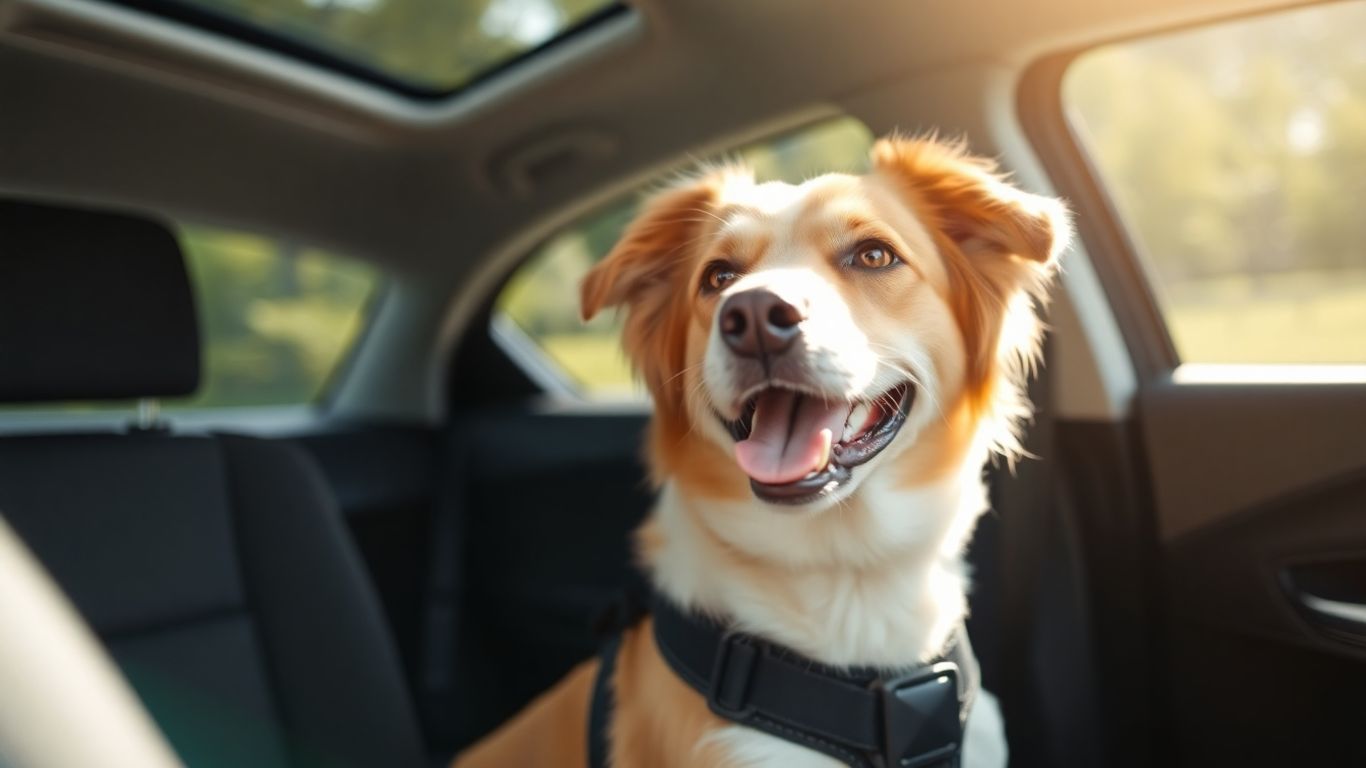
So, your dog needs to travel in the car, but they’re not exactly a seasoned pro? Don’t worry, most dogs aren’t born loving car rides. It’s something they need to get used to, and with a bit of patience, you can make it a positive experience for both of you. The key is to start slow and make it rewarding.
Start Them Young
If you’ve got a puppy, now’s the perfect time to introduce them to the car. Even before they’re old enough for longer trips, just getting them familiar with the parked car can make a big difference. Let them hop in, have a sniff around, and get comfy while the engine’s off. This helps them associate the car with you and a safe space, rather than just something that happens before you leave them behind.
Positive Reinforcement Is Key
Every step of the way, you want to associate the car with good things. Think treats, praise, and maybe even a favourite toy. If your dog is a bit nervous, don’t force them. Instead, reward any calm behaviour, like sitting nicely or just looking relaxed. Even a tiny bit of progress deserves a good scratch behind the ears and a tasty morsel.
- Initial Introduction: Let them explore the stationary car. Give treats and praise for calm behaviour.
- Short Engine On: Start the engine for a few seconds while they’re inside. Reward calm reactions.
- Gentle Movement: Move the car a few feet, then stop. Offer praise and treats.
- Short Trips: Progress to very short drives around the block. End the trip on a positive note, perhaps with a walk or a game.
Short Trips To Begin With
Once they’re okay with the engine running, start with really short journeys. We’re talking just a few minutes down the road and back. The goal here isn’t to go anywhere exciting, but simply to get them used to the sensation of movement. Always aim to end the trip on a high note – maybe a quick visit to a favourite park or a treat waiting at home. This way, they’ll start to see car rides as a prelude to something fun, rather than a dreaded event.
Making car travel a positive experience from the outset can prevent a lifetime of anxiety for your dog. It’s all about building trust and showing them that the car is a safe and even enjoyable part of their routine.
Essential Tips For Happy Journeys
Right then, you’ve got your dog kitted out with a safe harness or crate, and they’re starting to get the hang of car rides. Brilliant! But what else can you do to make sure every trip is a good one, not just for them, but for you too? It’s all about making the journey as stress-free and enjoyable as possible. A happy dog makes for a much more relaxed driver, after all.
Backseat Buddies Only
First things first, let’s talk about where your dog should actually be. For their safety and your sanity, they really should be in the back. Think about it – if they’re up front, they could easily get in the way of your steering wheel or pedals, and in a sudden stop, they’re much more likely to get hurt or cause you to swerve. Plus, those airbags? Not designed for furry passengers. So, keep them in the back, securely fastened in their harness or crate. It’s the safest spot for everyone involved.
Breaks Are A Must
Nobody likes being cooped up for too long, and that includes our four-legged mates. If you’re planning anything more than a quick pop to the shops, you’ll want to factor in some stops. Aim for a break every couple of hours, or more often if your dog seems restless or hot. These aren’t just for toilet breaks; it’s a chance for them to stretch their legs, have a good sniff around, and get a drink. Finding a nice, quiet spot away from busy roads is ideal. A quick trot around a park or even just a safe lay-by can make a world of difference to their comfort and your peace of mind. Planning these stops can make a long journey feel much shorter for your dog.
Safe Entertainment Options
Keeping your dog occupied on longer journeys can be a lifesaver, but you need to be smart about it. Forget those squeaky toys that might get lost under the seat or become a choking hazard. Instead, think about things that are safe and won’t distract you. A durable chew toy that’s too big to swallow is a good bet. Some dogs are happy just to snooze, especially if they’re tired after a good walk before you set off. If you’re travelling in warmer weather, remember to keep them cool; a damp towel or a special cooling mat can be a lifesaver. Always make sure they have access to water, perhaps in a non-spill bowl, to keep them hydrated. Remember, the back seat or boot can get surprisingly hot, even if the front feels okay, so keep an eye on the temperature.
It’s easy to get caught up in the excitement of a trip, but always remember that your dog’s well-being comes first. A little bit of planning goes a long way in making sure everyone has a good time, and you avoid any unnecessary stress or danger on the road.
Keeping Cool On The Road
Right then, let’s talk about keeping your furry mate comfortable when the temperature starts to climb. We all love a good road trip, but a warm day for us can be a proper furnace for our dogs, especially when they’re cooped up in the car. Their thick coats aren’t exactly designed for a heatwave, are they?
The Dangers Of Hot Cars
This is a biggie, and honestly, it can’t be stressed enough. A car can turn into an oven incredibly quickly, even on a mild day. We’re talking temperatures soaring way past what’s safe for your dog, and it can happen in a blink. Dogs can’t sweat like we do, so they rely on panting to cool down. If the car gets too hot, they can’t regulate their temperature, leading to heatstroke, which is a serious and potentially fatal condition. It’s not worth the risk, not even for a ‘quick’ pop into the shop.
Ventilation Is Vital
So, how do we stop the car from becoming a sauna? First off, airflow is your best mate. If you’re driving, crack open the windows a bit – not so much that your dog can stick their head out (we’ll get to that!), but enough to let the air move. Make sure the air vents are directed towards the back where your dog is. If you’ve got a crate or a boot guard, consider removing the parcel shelf to help the cool air circulate better. Some dogs might benefit from a cooling mat to lie on; these can be a lifesaver on longer journeys.
- Water, water everywhere: Always have plenty of fresh, cool water available. A non-spill bowl is a good shout so they can have a drink whenever they need it without making a mess.
- Timing is everything: If possible, try to travel during the cooler parts of the day, like early morning or late evening. It makes a massive difference to your dog’s comfort.
- Regular pit stops: Plan for breaks. Let your dog stretch their legs, have a drink, and a little sniff around, ideally in a shady spot. It breaks up the journey for them and for you!
Never Leave Them Alone
This one’s non-negotiable. Never, ever leave your dog unattended in a car, no matter how short the time or how much you’ve opened the windows. It’s just too risky. Even if it doesn’t feel that warm outside, the temperature inside a parked car can rocket up alarmingly fast. If you need to leave the car, your dog needs to come with you. It’s that simple. If you’re waiting in the car with them, keep the air-con on and windows open on the shady side.
Legal Stuff And Peace Of Mind
Right then, let’s talk about the bits that might seem a bit dry but are actually super important for keeping your dog safe and yourself out of trouble. It’s not just about having a happy pup; it’s about following the rules and making sure you’re covered if anything unexpected happens.
Understanding The Highway Code
So, the law’s pretty clear on this one. The Highway Code, specifically Rule 57, states that when you’re in a vehicle, you must make sure dogs or any other animals are properly restrained. This isn’t just to stop them from nipping at your heels while you’re driving, but also to stop them from injuring themselves or you if you have to brake suddenly. Think of it like this: if your dog isn’t secured, they could become a furry projectile in a crash, which is obviously not ideal for anyone involved. There are a few ways to do this, and we’ve covered the gear in other sections, but the main thing is they need to be unable to distract you or cause harm.
Insurance Implications
This is where things can get a bit more serious. If you’re involved in an accident and it turns out your dog wasn’t secured, your car insurance might refuse to pay out. That’s a big deal. Not only could you be facing hefty repair bills, but if your dog is injured because they weren’t restrained, you might also struggle to claim on your pet insurance. It’s a bit of a double whammy. Making sure your dog is safely secured is a simple step that can save you a lot of hassle and money down the line. It shows you’ve taken reasonable care, which is what insurers like to see.
Professional Pet Transport
If you’re not driving yourself, or if you’re a professional dog walker or pet sitter, the responsibility is still yours. Companies that specialise in transporting pets, like TransK9, put a lot of thought into safety. They often use specially designed, crash-tested crates. These aren’t just boxes; they’re built with features like safety hatches at the back, so if the main doors are damaged in an accident, you can still get your dog out safely. It’s a good reminder that even if you’re not the one behind the wheel, you need to be confident that whoever is transporting your dog has their safety as the top priority. It’s all about peace of mind, really.
So, Let’s Get Your Pooch Safe on the Road!
Right then, we’ve covered quite a bit, haven’t we? From picking the right gear like harnesses or crates that actually do the job, to making sure your furry mate gets used to the car without too much fuss. It’s all about making those journeys, whether it’s a quick trip to the park or a longer drive, as safe and stress-free as possible for everyone. Remember, a happy, secure dog makes for a much more relaxed driver, and honestly, that’s a win-win. So, have a look at what you’re using, maybe make a few tweaks, and get out there and enjoy those adventures together. Safe travels!
Frequently Asked Questions
Why is it so important to keep my dog safe in the car?
Keeping your dog safe in the car is super important for a few reasons. Firstly, a dog that’s wandering around can really distract you while you’re driving, which could lead to an accident. Secondly, if you have to stop suddenly or if there’s a crash, an unrestrained dog can get thrown around, leading to nasty injuries. They could even become a dangerous projectile, hurting themselves or others in the car.
What are the best ways to secure my dog in the car?
There are a few good options. Crash-tested harnesses are like seatbelts for dogs – they attach to your car’s seatbelt system and keep your dog from moving around too much. Travel crates or carriers that are designed for cars are also great; they provide a safe den for your dog. For smaller dogs, booster seats can offer a secure spot, but it’s best to use them with a harness.
How do I get my dog used to travelling in the car?
It’s best to start when they’re young if possible. Introduce them to the car slowly, letting them get used to just sitting in it while it’s parked. Then, take them on really short trips, like just around the block. Always make these experiences positive by giving them treats and praise. Gradually increase the length of your trips as they get more comfortable.
Are there any specific rules about dogs in cars in the UK?
Yes, the Highway Code, specifically Rule 57, says that dogs must be suitably restrained in a vehicle. This is to stop them from distracting the driver or injuring themselves or anyone else if you have to stop quickly. Using a harness, crate, or carrier helps you follow this rule.
What should I do if my dog gets car sick?
If your dog gets sick in the car, try not to feed them a big meal right before travelling. Give them plenty of time to digest their food, or wait until after the journey. For some dogs, even an empty stomach doesn’t help, so it’s worth chatting to your vet. They might be able to suggest medication to help settle your dog’s tummy.
Is it safe to leave my dog in the car for a short while?
It’s really not a good idea, even for a few minutes, especially when it’s warm. Cars heat up incredibly fast, and dogs can suffer from heatstroke very quickly, which can be fatal. It’s always best to take your dog with you if you have to leave the car, even for a moment.
