

Welcome to the wonderful world of canine nutrition! If you’re wondering about the best vegetables to include in your dog’s diet, you’ve come to the right place. Like humans, dogs can benefit from a balanced and nutritious vegetable intake. Whether you’re a health-conscious pet parent or simply looking to spice up your pup’s mealtime, we’ve got you covered. In this article, we’ll discuss some of the healthiest vegetables to add to your dog’s diet — from carrots and sweet potatoes to green beans, broccoli, and more. So let’s get started.
Key Takeaways
- Vegetables can be a tasty treat for your dog. They’re a great source of vitamins, minerals, fibre, antioxidants, phytonutrients, and enzymes not found in meat.
- As a responsible pet parent, you should know what vegetables your dog can safely eat and avoid the ones that are likely to cause health issues.
- Feed vegetables in moderate quantities, especially at the start, to allow your dog’s stomach to adapt and to avoid adverse reactions.
- If you notice anything unusual after your pup has eaten veggies, contact your vet as soon as possible.
- Introducing a variety of the best vegetables for dogs can support their immune system, digestion, weight management, and even dental health.
Why Bother With Veggies For Your Pooch?
So, you might be wondering, why all the fuss about veggies for our canine pals? It’s easy to think that dogs are all about the meat, and sure, they thrive on a good protein base. But honestly, adding a few select vegetables into their diet can be a real game-changer for their overall health. Think of it as giving them a little extra armour against the everyday sniffles and sneezes. These plant-based additions can really pack a punch when it comes to boosting their well-being.
A Nutritional Boost Beyond Meat
Meat is brilliant for dogs, no doubt about it. It provides essential proteins and fats they need to function. However, it doesn’t always cover all the bases. Vegetables, on the other hand, are brimming with vitamins, minerals, and antioxidants that you just don’t get in the same quantities from meat alone. These little powerhouses can help fill in the nutritional gaps, supporting everything from their immune system to the shine on their coat. It’s about giving them a more rounded diet, you know?
Supporting Overall Well-being
When you think about it, a healthy diet is the foundation for a happy life, and that goes for our dogs too. The fibre in veggies can do wonders for their digestion, keeping things running smoothly and preventing those dreaded tummy upsets. Plus, the antioxidants found in many vegetables act like tiny bodyguards, helping to protect their cells from damage. It’s all about keeping them feeling their best, from the inside out, so they can enjoy all those walks and playtime with gusto. For a great way to ensure they’re getting these benefits, consider fresh dog food.
Aids In Weight Management
Let’s be honest, a lot of our furry friends could do with shedding a pound or two. Vegetables are fantastic for this because they’re generally low in calories but high in volume and nutrients. This means your dog can feel fuller for longer without piling on the pounds. Swapping out some of those high-calorie biscuits for a crunchy carrot stick or a few green beans can make a real difference. It’s a simple way to manage their weight healthily, keeping them agile and active for years to come.
Crunchy Carrots: A Dog’s Best Friend
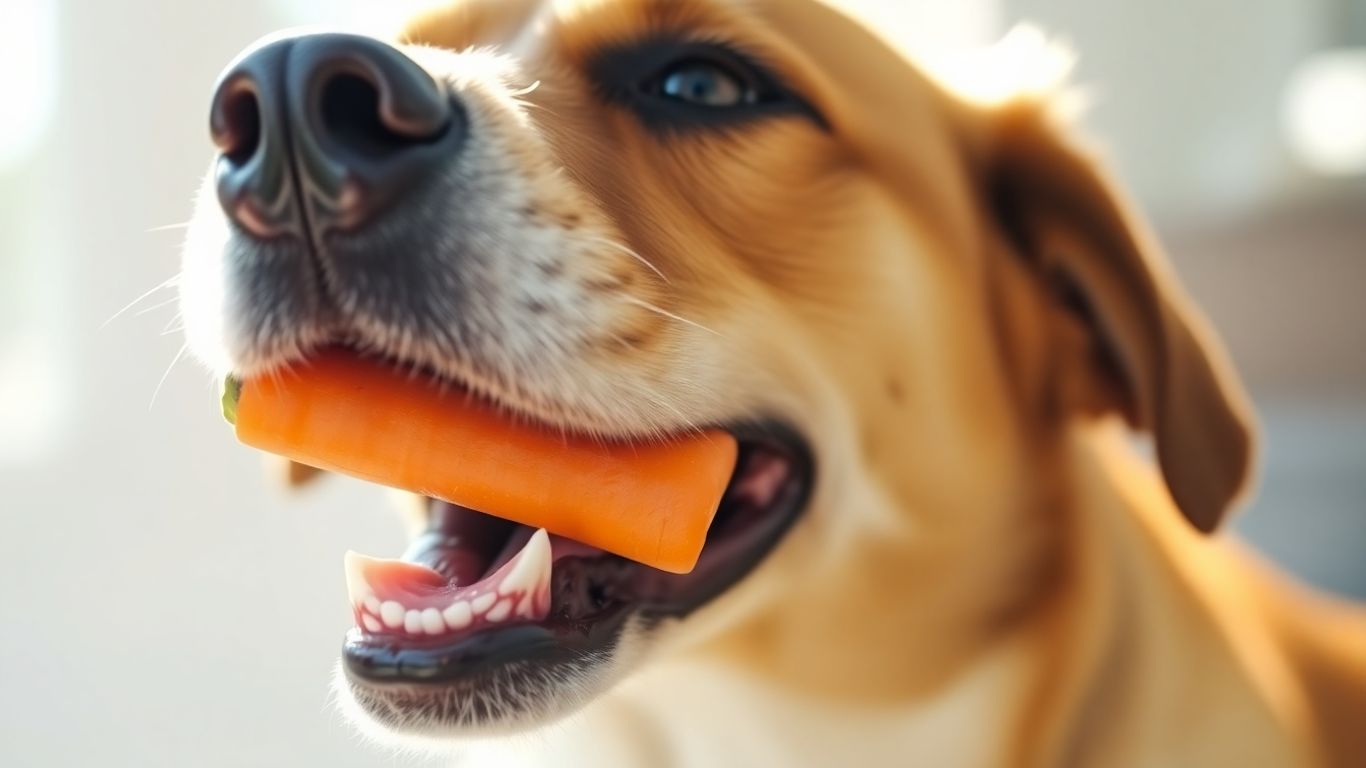
Right then, let’s talk about carrots. These bright orange sticks are more than just a pretty colour; they’re a proper treat for your dog, and honestly, most pups go absolutely bonkers for them. They’re brilliant for a few reasons, not least because they’re a fantastic low-calorie snack. If you’re trying to keep your dog at a healthy weight, swapping out some of those higher-calorie biscuits for a carrot stick is a no-brainer. Plus, that satisfying crunch? It’s not just fun for them, it actually helps to clean their teeth a bit as they chew. Think of it as a natural toothbrush, helping to keep plaque at bay and giving them fresher breath. Who knew a humble carrot could do so much?
Eye Health and Shiny Coats
Carrots are absolutely loaded with beta-carotene. Now, your dog’s body is clever enough to turn this beta-carotene into vitamin A. This vitamin is a real superstar when it comes to keeping their eyesight tip-top, especially in dim light. It also plays a part in keeping their skin healthy and their coat looking glossy and full of life. So, those regular carrot snacks could be contributing to a healthier, happier-looking dog.
Dental Benefits
As I mentioned, the texture of a carrot is a big win for your dog’s dental hygiene. When they gnaw on a raw carrot, it helps to scrape away some of the gunk that builds up on their teeth. It’s not a replacement for proper brushing, mind you, but it’s a great little bonus that helps keep their mouth healthier. It gives their jaws a good workout too.
Packed With Goodness
Beyond the beta-carotene, carrots offer other bits and bobs that are good for your dog. They contain potassium, which is important for muscle and nerve function, and a decent amount of fibre, which is always a plus for their digestion. They’re naturally a bit sweet, which is probably why dogs love them so much, and they provide a little energy boost without being overloaded with sugar. Just remember, if your dog has diabetes, you’ll want to be a bit more cautious with carrots due to their natural sugar content and chat with your vet first.
Sweet Potatoes: A Superfood Treat
Right then, let’s talk about sweet potatoes. These aren’t just for us humans to mash up with butter and enjoy; our four-legged mates can get in on the action too! They’re a bit of a nutritional powerhouse, really, packed with all sorts of good stuff that can make a real difference to your dog’s health. They offer a fantastic source of complex carbohydrates, which means sustained energy release – perfect for those pups who love a good romp in the park.
Digestive Support
Sweet potatoes are brilliant for keeping your dog’s tummy happy. They’re loaded with dietary fibre, which is like a gentle broom for their insides, helping things move along smoothly. This can be a lifesaver if your dog struggles with the occasional bout of constipation. Plus, the fibre helps them feel fuller for longer, which is a bonus if you’re trying to keep their weight in check.
Immunity Powerhouse
These orange wonders are also brimming with vitamins, particularly vitamin A (thanks to all that beta-carotene) and vitamin C. These are brilliant for giving your dog’s immune system a good old boost, helping them fight off sniffles and stay healthy. Think of it as giving their body a bit of extra armour.
Skin and Coat Health
Want your dog to have that glossy, healthy-looking coat that turns heads? Sweet potatoes can help with that too! The beta-carotene not only helps with their vision but also plays a role in keeping their skin in good nick and their fur looking super shiny. It’s like a natural conditioner from the inside out.
A Quick Note on Serving:
Always remember to cook sweet potatoes before giving them to your dog. Raw ones can be a bit tough on their digestive system. Steamed, boiled, or baked (plain, of course – no butter, salt, or spices!) are the best ways to go. Just chop them up into bite-sized pieces so they’re easy and safe to eat.
Green Beans: Low Calorie, High Reward
Right then, let’s talk about green beans. These aren’t just for your Sunday roast, you know! They’re a brilliant, low-fuss addition to your dog’s diet, especially if you’re keeping an eye on their waistline. Honestly, they’re a bit of a miracle worker in the veggie world for our four-legged mates.
Weight Management Helper
If your dog is carrying a bit too much padding, green beans are your new best friend. They’re super low in calories but packed with fibre. This means your dog can have a decent portion that fills them up without adding a ton of extra energy. It’s like giving them a satisfying snack that helps them feel fuller for longer, which is a godsend when you’re trying to trim down their food intake. They’re a fantastic way to add bulk and satisfaction to meals without the extra calories.
Essential Nutrients Galore
Don’t let their simple appearance fool you; green beans are loaded with good stuff. They’ve got vitamins A, C, and K, which are all important for different bits of your dog’s health. Vitamin A helps with their vision and skin, C is good for their immune system, and K is important for blood clotting. Plus, they offer minerals like iron and calcium. It’s a proper little nutritional package.
A Tasty, Healthy Snack
Most dogs actually quite like the crunch of a green bean. You can serve them fresh, lightly steamed, or even frozen for an extra bit of chew. Just make sure you chop them up into bite-sized pieces, especially if you have a smaller dog, to avoid any choking worries. And a biggie: always go for the plain ones. No salt, no seasonings, just pure green bean goodness. If you’re using canned, make sure it’s low-sodium and rinse them well. It’s a simple, healthy treat that’s miles better than those processed biscuits.
When introducing green beans, start small. A couple of beans a day is plenty to begin with. Always watch your dog for any tummy upset, though most dogs handle them just fine. Remember, treats like these should only make up a small part of their overall diet, usually no more than 10%, unless your vet says otherwise.
Broccoli And Its Brilliant Benefits
Right then, let’s talk about broccoli. It might be a bit of a divisive vegetable for us humans, but for our canine pals, it’s actually a bit of a superstar. Packed with all sorts of good stuff, it can really give your dog’s health a boost. It’s a fantastic way to add some extra nutrients to their diet, especially if they’re mostly on meat.
Immune System Support
Broccoli is loaded with vitamins, particularly vitamin C, which is a well-known immune system supporter. Think of it as giving your dog’s natural defences a bit of a helping hand to fight off those pesky bugs. It also contains antioxidants that help protect their cells from damage.
Bone Health Boost
This green wonder also contains vitamin K, which is pretty important for bone health. It helps with calcium absorption, and calcium is, as we all know, the building block for strong bones and teeth. So, a bit of broccoli could be good for keeping those wagging tails and sturdy legs in tip-top shape.
Digestive Aid
We all know that a happy tummy means a happy dog, right? Broccoli is a good source of fibre, and fibre is brilliant for keeping their digestive system running smoothly. It helps things move along nicely and can help prevent those common tummy upsets. Just remember, it’s best served steamed or lightly cooked to make it easier for them to digest. And a little goes a long way – too much can lead to some rather fragrant side effects!
When introducing broccoli to your dog’s diet, start with tiny amounts. A small floret or two, chopped up small, is plenty to begin with. Always monitor your dog for any signs of digestive upset after giving them new foods. It’s always a good idea to chat with your vet before making big changes to their diet, especially if your dog has any existing health conditions. You can find more information on safe foods for dogs here.
Here’s a quick rundown of what broccoli brings to the table:
- Vitamins: C and K are the main players.
- Minerals: Potassium and manganese are present.
- Fibre: Great for digestion.
- Antioxidants: Help protect cells.
It’s a good idea to serve broccoli in small, bite-sized pieces to avoid any choking hazards, especially for smaller breeds. Steaming or lightly boiling it is usually the best way to go, and definitely no seasonings!
Spinach: The Leafy Green Champion
Right then, let’s talk about spinach. You know, the stuff Popeye used to guzzle? Turns out, it’s not just for cartoon sailors; our canine pals can get a good deal out of it too. This humble leafy green is a bit of a nutritional powerhouse, packing in a load of good stuff that can really help your dog thrive.
Brain and Immune Function
Spinach is loaded with vitamins, particularly A and C, which are brilliant for keeping your dog’s immune system in good working order. Think of it as a little boost to help them fight off sniffles and stay generally healthy. Plus, some of the compounds in spinach are thought to be good for brain health, keeping their minds sharp as they get older. It’s got antioxidants too, which are like tiny bodyguards for their cells, protecting them from damage.
Vision and Cell Growth
That vitamin A we just mentioned? It’s also a star player when it comes to keeping your dog’s eyesight tip-top. Good vision is so important for them, especially when they’re out and about exploring. Beyond that, spinach contains folate, which is pretty vital for cell growth and repair. So, it’s helping their whole body stay in good nick, from the inside out.
Rich In Vital Minerals
Beyond the vitamins, spinach is a decent source of minerals like iron. Now, iron is super important for making sure their blood can carry oxygen effectively around their body. This means more energy for zoomies and less chance of feeling sluggish. It also contains calcium, which, as we know, is brilliant for strong bones and teeth. Just remember, like with most things, moderation is key, especially if your dog has any specific health concerns. It’s always a good idea to have a quick chat with your vet before making big changes to their diet.
Beets: More Than Just Colour
Right then, let’s talk about beets. These aren’t just for making your dog’s wee a bit of a surprise colour, oh no. They’re actually pretty good for them, packed with all sorts of bits and bobs that can help keep your canine companion in tip-top shape. Think of them as a little bit of earthy goodness for your pup.
Digestive System Friend
Beets are a decent source of fibre, and we all know how important that is for keeping things moving smoothly in the gut. A happy tummy means a happier dog, right? This fibre helps to regulate their digestive system, preventing those pesky bouts of constipation or, you know, the opposite. It’s all about balance, and beets can lend a paw.
Brain Function Support
It might sound a bit out there, but beets can actually give your dog’s brain a bit of a boost. They contain nitrates, which your dog’s body converts into nitric oxide. This stuff is pretty important for blood flow, and guess what? Better blood flow to the brain means it can work a bit better. So, while they might not be solving complex equations, it’s a nice little support for their cognitive functions. You can find out more about nutritious foods for dogs that support overall health.
Anti-Inflammatory Properties
Inflammation can be a real pain, for us and for our dogs. Beets have got these things called betalains, which are the pigments that give them their vibrant colour. Turns out, these betalains have some pretty handy anti-inflammatory properties. This means they can help calm down any internal grumbles and keep your dog feeling more comfortable, especially if they’re getting on a bit in years or have any joint issues. It’s a gentle way to help them feel their best.
Remember to introduce beets slowly and in moderation, as too much can sometimes cause an upset stomach or those colourful wee surprises we mentioned!
Pumpkin: The Digestive Superstar
Right then, let’s talk about pumpkin. Now, you might think of it as just for Halloween pies, but for our four-legged mates, it’s a bit of a miracle worker, especially when their tummies are a bit out of sorts. It’s a fantastic source of fibre, which is like a magic wand for their insides. If your dog’s got the runs, the fibre in pumpkin helps to firm things up by soaking up excess water. On the flip side, if they’re a bit blocked up, that same fibre gives their system a gentle nudge to get things moving again. It’s pretty clever, really.
Stool Problem Solver
This is where pumpkin really shines. It’s brilliant for sorting out both ends of the digestive spectrum. Whether it’s a case of the dreaded ‘squishy’ poos or a stubborn bout of constipation, a bit of plain pumpkin can make a world of difference. It helps to regulate their system, making those trips outside a lot more predictable and less stressful for everyone involved.
Skin Health Enhancer
It’s not just about what goes in; it’s about what shows on the outside too. Pumpkin contains something called omega-6 fatty acids, specifically linoleic acid. This stuff is known for its anti-inflammatory properties, which can do wonders for your dog’s skin. Think less itching, less dryness, and a generally happier, healthier coat. It’s a win-win!
Anti-Inflammatory Omega-6
As mentioned, that omega-6 fatty acid is a real bonus. It helps to calm down any internal inflammation, which is good for overall health, but it particularly shows up in the condition of their skin and coat. A healthy inside often means a healthy outside, and pumpkin is a great way to support both. Just remember to stick to plain, cooked pumpkin or canned pumpkin without any added sugar or spices – the pie filling stuff is a definite no-no!
So, What’s the Takeaway?
Right then, we’ve gone through quite a few veggies that can be a cracking addition to your dog’s diet. Remember, it’s not about stuffing them full of greens, but about adding a bit of variety and extra goodness. Always introduce new things slowly, keep an eye on how your dog reacts – some pups are fussier than others, or might have a funny tummy with certain foods. And if you’re ever unsure, your vet is always the best person to ask. A little bit of carrot here, some cooked sweet potato there, and you’re well on your way to a happier, healthier canine companion. Happy feeding!
Frequently Asked Questions
Why should I give my dog vegetables?
Vegetables offer a fantastic nutritional boost that goes beyond just meat. They’re packed with important vitamins, minerals, fibre, and antioxidants that can help your dog’s immune system, digestion, and even their skin and coat. Think of them as a healthy supplement to their main diet.
Which vegetables are best for my dog?
Some top choices include carrots for eye health and dental cleaning, sweet potatoes for digestion and immunity, green beans for weight management, broccoli for strong bones and immunity, spinach for brain function, and pumpkin, which is brilliant for sorting out tummy troubles. Always introduce new veggies slowly.
How should I prepare vegetables for my dog?
It’s usually best to cook most vegetables, like steaming or boiling them, to make them easier to digest. Raw carrots can be good for teeth, but always chop them into manageable pieces. Plain, cooked pumpkin or sweet potato is generally a safe bet. Avoid adding any spices or seasonings.
Can my dog eat vegetables raw?
Some dogs can eat certain vegetables raw, like carrots, which can help clean their teeth. However, many vegetables are better digested when cooked. Raw vegetables might be harder for some dogs to break down, potentially causing an upset stomach. It’s often safer to cook them first.
How much vegetable should I give my dog?
Moderation is key! Vegetables should only make up a small part of your dog’s overall diet, typically no more than 10% of their daily calorie intake. Too much can lead to digestive upset. Start with tiny amounts and see how your dog reacts.
Are there any vegetables I should avoid feeding my dog?
Yes, definitely. You should never feed your dog onions, garlic, chives, or shallots, as they can be toxic. Also, avoid mushrooms, unripe tomatoes, and anything that could be a choking hazard. If you’re unsure about a specific vegetable, it’s always best to ask your vet.
