

We all want our furry mates to be healthy and happy, right? But sometimes, the cost of looking after them, especially things like vaccinations, can feel a bit much. It’s easy to worry about how to afford all the necessary vet visits without emptying your wallet. Well, we’ve been looking into how to keep our dogs protected without spending a fortune, and there are definitely ways to manage it. Let’s talk about finding cheap dog immunizations and keeping our pups in top shape.
Key Takeaways
- Vaccinations are a must for your dog’s health, protecting them from serious illnesses that are far more costly to treat.
- Look for affordable dog immunizations at community clinics, shelters, or through vet practices that offer package deals.
- Core vaccines like Rabies, Parvovirus, Distemper, and Adenovirus are generally recommended for all dogs.
- Lifestyle vaccines such as Bordetella and Canine Influenza may be needed if your dog visits kennels, dog parks, or daycares.
- Regular check-ups, booster shots, and preventative care are important for long-term health and can often be managed on a budget.
Understanding Essential Dog Vaccinations
When we bring a new furry friend into our lives, one of the first things on our minds is keeping them healthy. Vaccinations are a massive part of that, acting like a shield against some pretty nasty diseases. It can feel a bit confusing with all the different types and schedules, but honestly, it’s not as complicated as it might seem. Think of vaccines as a vital investment in your dog’s long-term well-being. They’re designed to help their immune system recognise and fight off specific viruses and bacteria before they can cause serious harm. This preventative care is almost always cheaper and less stressful than treating a full-blown illness later on.
Why Vaccinations Are A Must-Have
So, why bother with jabs? Well, some diseases dogs can catch are not just unpleasant; they can be deadly, and some can even spread to us humans – these are called zoonotic diseases. Rabies and leptospirosis are prime examples. Keeping your dog vaccinated isn’t just about them; it’s about protecting your family, especially young children, the elderly, or anyone with a weaker immune system. Plus, the cost of vaccinations is significantly less than the vet bills for treating something like parvovirus or distemper, which can be incredibly serious and expensive.
Core Vaccines Every Dog Needs
Every dog, regardless of their lifestyle, should have what we call ‘core’ vaccines. These protect against the most widespread and dangerous diseases. The main ones we’re talking about are:
- Rabies: This is often legally required and is a serious, fatal disease.
- Parvovirus: A highly contagious virus that causes severe vomiting and diarrhoea, particularly dangerous for puppies.
- Distemper: Affects the respiratory, gastrointestinal, and nervous systems.
- Adenovirus (Hepatitis): Protects against a virus that can cause liver and kidney damage.
Your vet will usually give these as a combination shot, often called DAP or DHPP. It’s a good idea to get these sorted early on.
When To Get Your Puppy’s Shots
Getting your puppy vaccinated is a process that happens over several weeks. They usually start their vaccination course around 6-8 weeks old. Then, they’ll need follow-up shots, typically at 10-12 weeks and again at 14-16 weeks. The final shot in this initial series usually includes the rabies vaccine. After this puppy series, they’ll need boosters, usually around one year old, and then typically every three years for the core vaccines. It’s really important to stick to the schedule your vet recommends to build up and maintain their immunity. You can find more information on veterinary costs and planning for routine pet care.
It’s always best to chat with your vet about the specific vaccination schedule that’s right for your dog. They’ll consider your location, your dog’s age, and their general health to create the best plan.
Finding Affordable Dog Immunizations
We get it, vet bills can stack up faster than you can say "who’s a good boy?". But keeping your furry mate protected shouldn’t mean you’re eating beans on toast for a month. Thankfully, there are ways to get those vital jabs without emptying your wallet.
Where To Look For Cheaper Shots
First off, don’t just walk into the first fancy clinic you see. Prices can vary wildly. We’ve found that places like Essentials PetCare, often found inside supermarkets, offer really competitive prices. They focus on preventative care, so you can get the necessary vaccines without all the bells and whistles of a full-service vet, which often drives up the cost. It’s worth doing a bit of research in your local area to see who offers deals or has specific vaccine clinics. Sometimes, mobile clinics or even certain big-box pet stores have vaccination events that are significantly cheaper than a standard appointment. Remember, getting those core vaccines is the priority, and you can often find them at a lower cost if you know where to look. Check out places like VOTS for cost-effective care.
Understanding Vaccine Package Deals
Many vets and clinics offer package deals, and these can be a real money-saver. Instead of paying for each vaccine individually, you might get a bundle that covers the core shots plus a few extras for a set price. For example, a puppy package might include all their initial vaccinations, deworming, and maybe even a check-up. While the upfront cost might seem a bit higher, it’s usually cheaper overall than buying each service separately. Just make sure you know exactly what’s included in the package and if your dog actually needs all those extras. Sometimes, a simpler package is all you need.
Community Clinics And Shelters
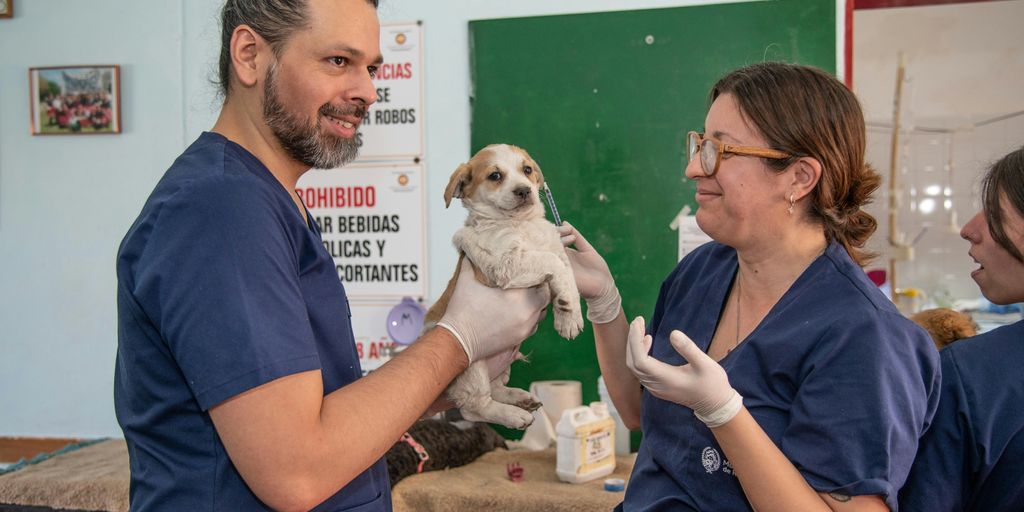
Local animal shelters and rescue organisations are often fantastic resources for affordable pet care. They frequently run low-cost vaccination clinics for the public, not just for adopted animals. These events are usually staffed by vets and vet techs who are passionate about animal welfare and want to make preventative care accessible. Keep an eye on their websites or social media pages for announcements about upcoming clinics. It’s a great way to get your dog vaccinated and support a good cause at the same time. These community-focused options are often the most budget-friendly.
Saving Money On Vet Visits

We all want the best for our furry pals, but let’s be honest, vet bills can add up faster than a squirrel can climb a tree. It’s not just about the big stuff like vaccinations or unexpected illnesses; even routine check-ups and preventative care can put a dent in our wallets. But don’t despair! There are plenty of smart ways we can cut down on costs without skimping on quality care for our dogs. Being proactive and savvy is the name of the game.
Bundling Services For Savings
Lots of vets offer package deals that bundle several services together, like vaccinations, deworming, and sometimes even a basic health check. It’s worth asking your vet if they have anything like this. Often, you can get a better price by signing up for a bundle than paying for each service individually. Think of it like buying in bulk – you usually get a better deal. We found that combining our dog’s annual check-up with his flea and tick treatment saved us a good chunk of change compared to booking them separately.
DIY Grooming And Training Tips
Who says you need to pay a fortune for grooming? We’ve learned that a lot of basic grooming can be done right at home. Investing in a decent set of brushes, some doggy shampoo, and nail clippers can save you a bundle on professional grooming sessions. Plus, it’s a great way to bond with your dog! Similarly, for training, there are tons of free resources online – videos, articles, and forums – that can help you teach your dog basic commands and good manners. Consistent positive reinforcement is key, and you don’t always need a pricey trainer for everyday obedience.
Budget-Friendly Nutrition Advice
Feeding your dog doesn’t have to mean buying the most expensive food on the shelf. While quality is important, there are many nutritious dog foods available at more reasonable prices. We’ve found that looking at the ingredients list and comparing brands can help you find a good balance between cost and nutritional value. Sometimes, simply adjusting the portion size based on your dog’s age, weight, and activity level can prevent overfeeding, which not only saves money on food but also helps keep your dog at a healthy weight. It’s also worth exploring if your vet offers any loyalty programs or discounts on food purchases. For more on choosing the right food, check out dog food options.
Keeping your dog healthy doesn’t mean you have to spend a fortune. By being smart about how you access services and taking on some tasks yourself, you can significantly reduce your overall spending on your pet’s care.
Lifestyle Vaccinations Explained
So, we’ve covered the must-have core vaccines, but what about those extra jabs that might be needed depending on your dog’s life? It’s not a one-size-fits-all situation, and understanding these can save you money by only getting what’s truly necessary.
When Are Extra Vaccines Needed?
Think about your dog’s daily routine and where they go. Do they spend a lot of time at the park, in kennels, or travelling? If your dog socialises a lot with other dogs, especially in shared spaces like doggy day-cares or boarding kennels, they’re at a higher risk of catching certain bugs. It’s all about assessing their exposure level. For instance, if your dog is a homebody and rarely meets other dogs, some of these ‘lifestyle’ vaccines might be less of a priority. Always have a chat with your vet about your specific circumstances; they can give you the best advice.
Kennel Cough and Canine Flu Shots
Kennel cough, or Bordetella bronchiseptica, is a bit like the common cold for dogs – highly contagious and spread easily in places where dogs gather. Symptoms usually involve a nasty, persistent cough. Similarly, canine influenza (dog flu) is another respiratory illness that can spread rapidly. While neither is typically life-threatening for a healthy adult dog, they can be nasty and lead to secondary infections, especially in puppies or older dogs. Getting these vaccines can be a good idea if your dog frequently visits places like:
- Boarding kennels
- Doggy daycare centres
- Groomers
- Dog parks
- Training classes
It’s worth noting that some kennels will actually require proof of these vaccinations before they’ll accept your dog, so it’s often a practical necessity if you plan on using those services. We found that booking these alongside the core vaccines often came with a slight discount, which was a nice bonus.
Protecting Against Lyme Disease
Lyme disease is transmitted through ticks, and if your dog spends a lot of time outdoors, especially in grassy or wooded areas, they could be at risk. Symptoms can include fever, lethargy, and lameness. The vaccine is recommended for dogs living in or travelling to areas where Lyme disease is common. We always make sure to check our dogs over for ticks after a walk in the countryside, but the vaccine offers an extra layer of defence. It’s a bit like wearing a coat in winter – you hope you don’t need it, but it’s good to have.
It’s really about balancing the risk of exposure with the cost and necessity of the vaccine. Your vet is your best resource for figuring out what’s right for your individual dog’s lifestyle and where you live. Don’t be afraid to ask questions and discuss your budget openly.
Keeping Your Canine Healthy On A Budget
We all want the best for our furry mates, but let’s be honest, vet bills can sometimes feel like a bit of a shock. The good news is, keeping your dog healthy doesn’t have to mean emptying your wallet. It’s all about being smart and proactive with their care.
Preventative Care Is Key
Think of preventative care as your first line of defence. It’s much cheaper to stop a problem before it starts than to treat it later. This includes things like regular check-ups, keeping up with vaccinations, and making sure your dog has a good diet and plenty of exercise. A healthy lifestyle really does make a difference in the long run, potentially saving you a fortune on unexpected vet visits. We find that focusing on these basics really helps.
The Importance Of Boosters
Remember those initial puppy shots? Well, they aren’t a one-off. Dogs need booster vaccinations throughout their lives to maintain their immunity against nasty diseases. Missing these boosters can leave them vulnerable, and that’s when you might end up with a hefty vet bill. Keeping track of when your dog is due for their next set of shots is a simple but effective way to stay on budget and keep them protected. It’s worth checking with your vet or looking at resources like low-cost vaccinations to find affordable options.
When Some Protection Is Better Than None
Sometimes, life throws curveballs, and you might not be able to afford every single vaccine or treatment available. While we always aim for the full package, it’s important to remember that some protection is always better than no protection. If you’re struggling to afford a full vaccination course, talk to your vet. They can help you prioritise which vaccines are most critical for your dog’s lifestyle and local disease risks. Even partial protection can significantly reduce the severity of illness if your dog does get exposed to something.
So, let’s wrap this up!
Right then, we’ve gone through the ins and outs of keeping our four-legged mates protected without emptying our wallets. It’s easy to get a bit lost with all the different jabs and when they’re needed, but honestly, the main thing is just getting the core ones done. Chatting with your vet is always the best bet to figure out what’s right for your dog, but remember, even a bit of protection is way better than none at all. We’ve seen there are plenty of ways to find cheaper options, from clinics to special offers, so there’s really no excuse not to get them sorted. Keeping them healthy means more happy walks and wagging tails, and that’s what it’s all about, isn’t it?
Frequently Asked Questions
Do we really need to get our dogs vaccinated?
Yep, vaccinations are super important for keeping our dogs healthy and safe from nasty illnesses. Think of them like a shield for your dog’s body, helping their immune system fight off bad germs before they can cause real trouble. It’s much cheaper to get a vaccine than to treat a serious sickness later on!
What are the most important vaccines for our dogs?
The main ones, often called ‘core’ vaccines, are usually for things like Rabies, Parvovirus, Distemper, and Adenovirus. These protect against really serious diseases. Depending on where you live and if your dog hangs out with other dogs a lot, your vet might also suggest vaccines for things like Kennel Cough or Leptospirosis.
Where can we find cheaper dog vaccinations?
We can often find cheaper shots at community clinics, animal shelters, or sometimes through vet schools. Some places even have special vaccine days or offer package deals which can save us a good chunk of money. It’s worth doing a bit of research in our local area to see what’s available.
Are there ways to save money on vaccine packages or vet visits?
Definitely! Many vets offer package deals where if you get a few vaccines at once, the cost per shot goes down. It’s also a good idea to ask if they have any special offers or if bundling services, like a check-up and vaccinations together, can save us money. Some places even have loyalty programs.
When do our dogs need extra vaccines like for Kennel Cough?
If your dog loves visiting the groomer, going to doggy daycare, or spending time at the park, they might need extra protection. Vaccines for Kennel Cough and Canine Influenza are often recommended for dogs in these situations because they can catch these bugs from other dogs more easily.
What if we can’t afford all the vaccines right now?
It’s true, the costs can add up! If we can’t afford all the recommended vaccines right now, it’s still really important to get the core ones. Having some protection is always much better than having none at all. We can chat with our vet about a plan that fits our budget and prioritises the most crucial vaccines.
